






Understanding Motion Sickness
Motion sickness happens when your brain gets conflicting signals from your inner ears, eyes, and body. Your inner ear senses the movement of the bus, but your eyes, often fixed inside the cabin, tell your brain you're stationary. This sensory mismatch
is what triggers nausea, dizziness, and vomiting. At least one in three people experience it, so if you suffer from it, you are not alone.
Choose Your Berth Wisely
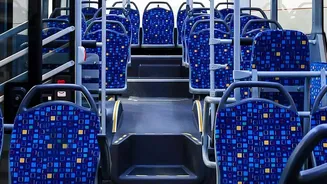
Where you sit—or lie down—makes a significant difference. The most stable part of a bus is in the middle, between the front and back wheels, as this area experiences the least amount of bounce and sway. If possible, book a lower berth in this middle section. The front seats are the next best option, while the rear of the bus is the worst, as movements are amplified there. A forward-facing position allows your eyes to see the same motion your body feels, which can help prevent the sensory conflict.
Prepare Before You Board
What you do before your journey begins is just as important as what you do during it. Avoid heavy, greasy, or acidic foods before travelling, as they can upset your stomach. Instead, opt for light snacks like crackers or fruit. It’s also wise to stay hydrated with water but avoid caffeine and alcohol. Pack a small 'sickness kit' with essentials like water, bland snacks, wet wipes, and any medications you might need.
Consider Medical Options
Several over-the-counter medications are effective for preventing motion sickness in India. Tablets containing dimenhydrinate (like Draminate) or promethazine (like Avomine) are popular choices. Cinnarizine is another common and effective option. These medications work best when taken before the journey starts, as directed on the packaging or by a pharmacist. They work by blocking the brain signals that trigger nausea and can often cause drowsiness, which can be a welcome side effect on an overnight trip.
Natural and Behavioural Tricks
If you prefer to avoid medication, several natural remedies can help. Ginger is well-known for its ability to ease nausea; you can try ginger candies, tea, or capsules. Peppermint is also effective, either as a tea or through aromatherapy with essential oils. Acupressure is another powerful tool. Applying firm pressure to the P6 point (Nei Guan) on your inner wrist—about three finger-widths down from your palm, between the two large tendons—can relieve nausea. You can do this yourself or use special acupressure wristbands.
Managing Symptoms on the Road
If you start to feel sick despite your preparations, there are still things you can do. If you can, look out the window at a fixed point on the horizon. This helps your brain and inner ear sync up. Avoid reading or looking at your phone, as this can make symptoms worse. If possible, get some fresh air at rest stops. Lying down and closing your eyes can also help reduce the sensory mismatch. Sipping on a carbonated drink or nibbling on dry crackers can help settle an upset stomach.