
The Usual Suspects
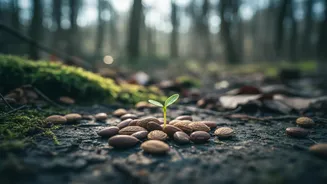
For forests to thrive and expand, they need a delivery service. Trees can't just uproot themselves and walk to a new, sunnier spot. They rely on their seeds being carried to fertile ground, a process called seed dispersal. For decades, ecologists have
focused on the most obvious couriers: frugivores, or fruit-eaters. Colorful birds, primates, and bats have long been recognized as the primary movers and shakers of the plant world. It’s a simple, effective transaction: the animal gets a nutritious meal, and the plant gets its offspring transported miles away, often with a little fertilizer to start it off. This relationship is so vital that 70 to 90 percent of tree species in tropical forests depend on animals to disperse their seeds.
A Global Web of Gardeners
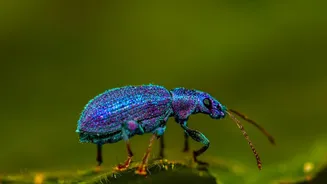
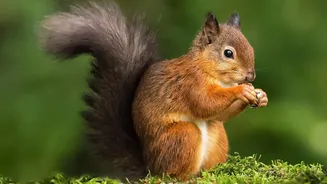
While the role of birds and primates is well-established, a growing body of evidence suggests we've been overlooking a huge part of the story. The headline's "186-species study" likely refers to a comprehensive review compiling data from dozens of individual studies. One such review highlighted that 51 species of invertebrates—including crabs, crickets, and slugs—were found to disperse seeds for 186 different plant species. But the surprises don't stop on the forest floor. Separate, large-scale reviews have found that carnivorous mammals are also prolific seed dispersers. Scientists examining the scat of animals like foxes, coyotes, and martens have discovered they regularly consume fruit and pass viable seeds. This completely redraws the map of how forests function.
The Unexpected Helpers
So, who are these unlikely heroes? The list is surprisingly diverse. In the Canary Islands, lizards are essential, consuming the fruits of around 50 native plant species. Studies show that seeds that pass through a lizard’s gut often have a better chance of germinating. Other research points to freshwater fish, which consume fruit that drops into rivers and spread seeds along waterways in ecosystems like the Amazon and Pantanal. But perhaps the most surprising are the carnivores. Animals in the Canidae family, like foxes and coyotes, are among the most common non-traditional dispersers. They don't just eat fruit directly; sometimes they engage in what scientists call “diploendozoochory.” This occurs when a carnivore eats a smaller animal, like a bird, that has recently eaten fruit. The seeds from the bird’s stomach then pass through the carnivore, getting a 'double-gut' treatment that can scarify tough seed coats and travel even farther.
Why This Changes Everything
Discovering these alternate dispersal routes is more than just a scientific curiosity—it has profound implications for conservation. For years, conservation efforts have rightly focused on protecting fruit-eating birds and mammals, as their decline has been shown to reduce a forest's ability to store carbon and for plants to adapt to climate change. One study found that the loss of these animals has already cut the ability of plants to track climate change by 60%. However, the new findings suggest that a healthy ecosystem is even more complex. If we only protect the 'obvious' seed dispersers, we risk ignoring the critical roles played by lizards, fish, and even carnivores. The loss of these species could create a “cryptic loss of functionality,” where the ecosystem looks intact but key processes are breaking down unseen.
A More Connected Forest
Understanding this complex web of interactions forces us to think more holistically about nature. It’s not just about one bird and one tree. It’s about the fox that eats the bird, the lizard that scurries through the undergrowth, and the slug that travels inches at a time. Each plays a part in the silent, tireless work of building a forest. This knowledge is crucial as we face challenges like habitat fragmentation, which can restrict the movement of larger animals and disrupt these essential services. By appreciating the roles of all animals—not just the ones we expect—we can make more informed decisions to protect and restore our planet's vital forests. The forest's regeneration depends on a far wider and more surprising cast of characters than we ever imagined.