




The Promise of a Simple Trick
The idea of a single, easy kitchen hack to solve the age-old problem of fading greens is incredibly appealing. Many home cooks have heard suggestions ranging from adding a pinch of baking soda to, yes, a squeeze of citrus. The logic seems plausible: an acid
like lime juice is a powerful ingredient, so it’s easy to believe it could have a special effect on the colour of vegetables. This trick suggests that adding lime at some point during the cooking process can lock in that bright, beautiful green. But to understand if this works, we need to look at what’s happening to the vegetable on a chemical level when it hits the heat.
The Science of Green
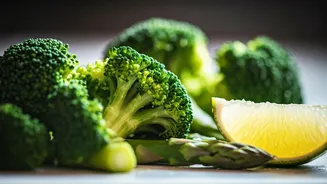
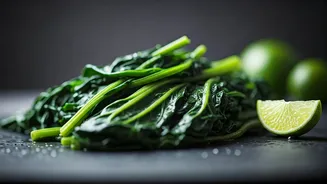
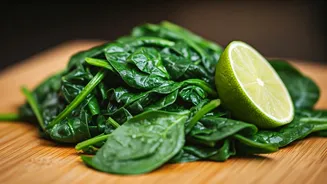
The vibrant colour in green vegetables like spinach, broccoli, and beans comes from a pigment called chlorophyll. [4] In its raw state, chlorophyll contains a magnesium atom at its core, which is what gives it that vivid green hue. [12, 15] However, chlorophyll is fragile. When you cook green vegetables, two things happen. First, the heat causes trapped gases in the plant’s cells to escape, which can initially make the greens look even brighter. [10, 11] But with continued heat, the cell walls break down, releasing natural acids that were once kept separate. [12, 13] These acids attack the chlorophyll, kicking out the magnesium atom and replacing it with hydrogen. [15] This transformation transforms the chlorophyll into a new compound called pheophytin, which has a dull, olive-green colour. [1, 2, 7] This process is the true culprit behind your fading greens.
The Truth About Acid
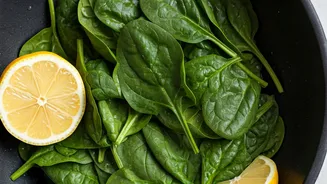
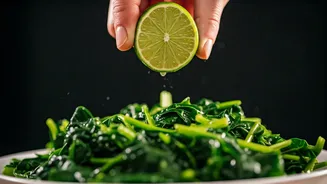
Here is the surprising twist: adding an acid like lime juice or vinegar to your greens *while they are cooking* actually speeds up this colour-draining process. [1, 10] Because acid is exactly what attacks the chlorophyll molecule, introducing more of it into the pan will cause your vegetables to turn that drab colour even faster. So, the headline’s claim is technically the opposite of what food science tells us. Adding acid during the cooking phase is a guaranteed way to lose that vibrant green. This is why a vinaigrette dressing will turn a salad of delicate greens brownish if left to sit for too long before serving. [14] The acid in the vinegar is doing the same work as the heat-released acids in a hot pan.
The Real 'Trick' Is Timing
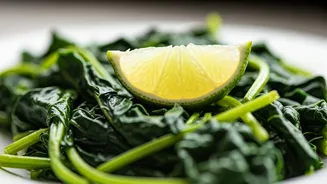
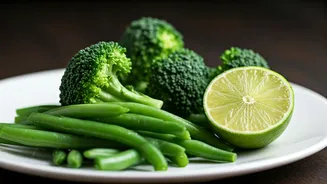
So, where does the lime squeeze come in? The secret isn't *if* you add the lime, but *when*. To get the bright, tangy flavour of lime without sacrificing colour, you should add it at the very last moment. [14] Once your greens are cooked and off the heat, or even plated, a fresh squeeze of lime juice will brighten the flavour perfectly without having enough contact time to significantly degrade the colour. This is the best of both worlds: you get the flavour benefits of the acid without the negative colour reaction. The real trick is to keep your greens and your acids separate for as long as possible. [14]
Better Ways to Keep Greens Green
If lime juice during cooking is out, what actually works? The most effective method is to control your cooking time. Most greens lose their vibrant colour after about 5-7 minutes of cooking. [4, 17] The key is to cook them quickly and get them off the heat. One of the best professional techniques is blanching and shocking. This involves boiling your greens in a large pot of heavily salted water for just a few minutes until they are crisp-tender. Then, you immediately transfer them to a bowl of ice water to completely stop the cooking process. [3, 16] This locks in the bright green colour beautifully. Cooking in a large volume of water also helps by diluting the vegetable's natural acids as they are released. [16] Finally, avoid covering your pot, as this can trap the acidic steam, which then drips back down onto the vegetables. [4]