
Why Bother with Stems?
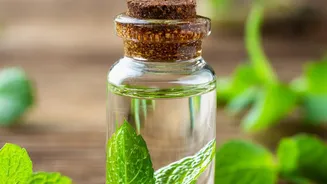
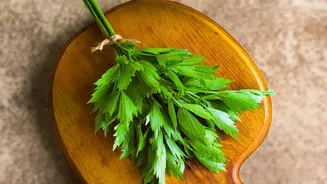
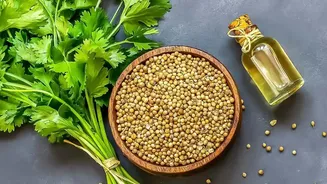
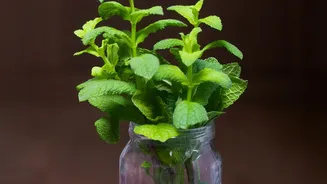
In the quest for a more sustainable and flavourful kitchen, every part of an ingredient has potential. The stems of soft herbs like coriander and mint are often discarded, but they contain a huge amount of the plant's essential oils and aromatic compounds.
Using them is a simple act of root-to-stem cooking that reduces food waste, saves you money, and rewards you with a versatile, high-end pantry staple. Instead of letting that flavour end up in the bin, you can easily extract it into an oil that captures the fresh, zesty notes of coriander and the cool, herbaceous character of mint. This practice is not just about being resourceful; it's about unlocking deeper flavours and making your ingredients work harder for you.
Gather Your Simple Ingredients
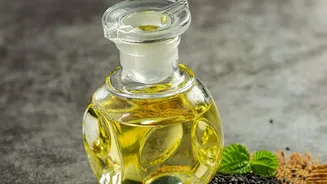
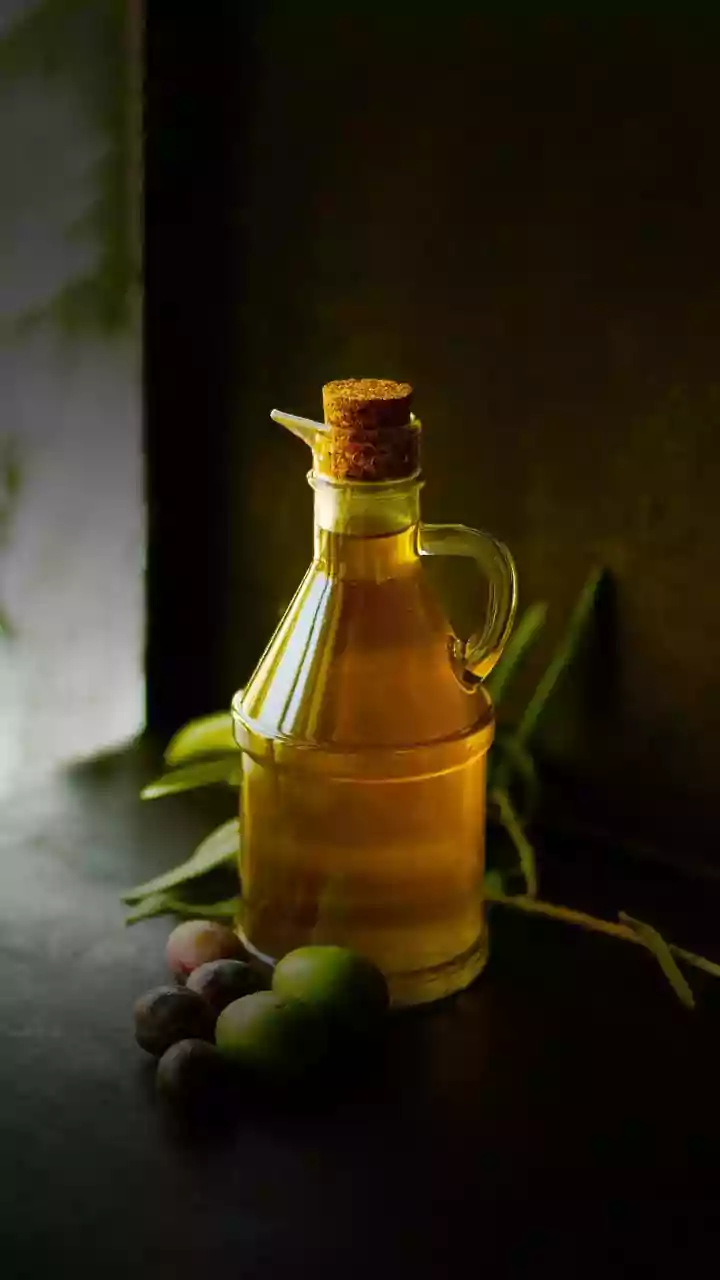
You only need two main things: your leftover stems and a neutral oil. For the stems, collect the tender stalks from coriander and mint. Woody herbs like rosemary require different handling, but for these soft herbs, the process is straightforward. The most crucial step is to wash and thoroughly dry the stems. Any moisture left on the herbs can promote bacterial growth in the oil. For the oil, choose a neutral-flavoured variety that won't overpower the delicate herbs. Grapeseed, sunflower, or a light olive oil are all excellent choices. The goal is to let the herb flavour be the star.
Method 1: The Cold Infusion
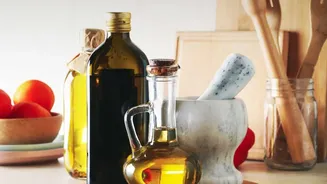
The cold infusion method is incredibly simple and best for preserving the most delicate notes of the herbs. First, gently bruise the clean, dry stems with the back of a knife or a mortar and pestle. This helps to release their aromatic oils. Place the bruised stems into a clean, sterilised glass jar. Pour your chosen oil over the stems until they are completely submerged. Seal the jar tightly and give it a good shake. Store it in a cool, dark place for about one to two weeks, giving it a shake every day or so. The flavour will slowly infuse into the oil. While this method takes patience, it results in a fresh, vibrant taste.
Method 2: The Gentle Heat Infusion
If you’re short on time, a gentle heat infusion can get the job done in under an hour. Combine the clean, dry stems and oil in a small saucepan. Heat the mixture over the lowest possible heat. The aim is to warm the oil, not fry the herbs—you should not see any bubbles. Keep the temperature low, around 65-80°C, for about 20-30 minutes, allowing the herbs to gently release their flavour. Let the oil cool completely in the pan. This method is faster but be careful not to overheat the oil, which can destroy the delicate flavours and create bitterness.
Straining, Storing, and Safety
Once your oil is infused, strain it through a fine-mesh sieve or cheesecloth into a clean, airtight bottle to remove all plant material. When using fresh herbs, there is a risk of Clostridium botulinum, the bacteria that can cause botulism, especially if moisture is present. Because this method uses fresh (though dried) stems without an acidifying agent, the final product must be stored correctly. For maximum safety and to preserve quality, store your homemade infused oil in the refrigerator and plan to use it within one to two weeks. Using commercially dried herbs allows for longer, room-temperature storage, but for these fresh stem oils, the fridge is your best friend.
How to Use Your Herb Oils
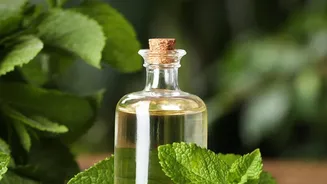
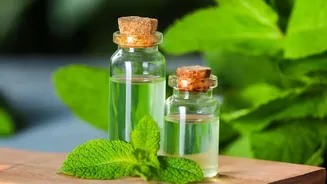
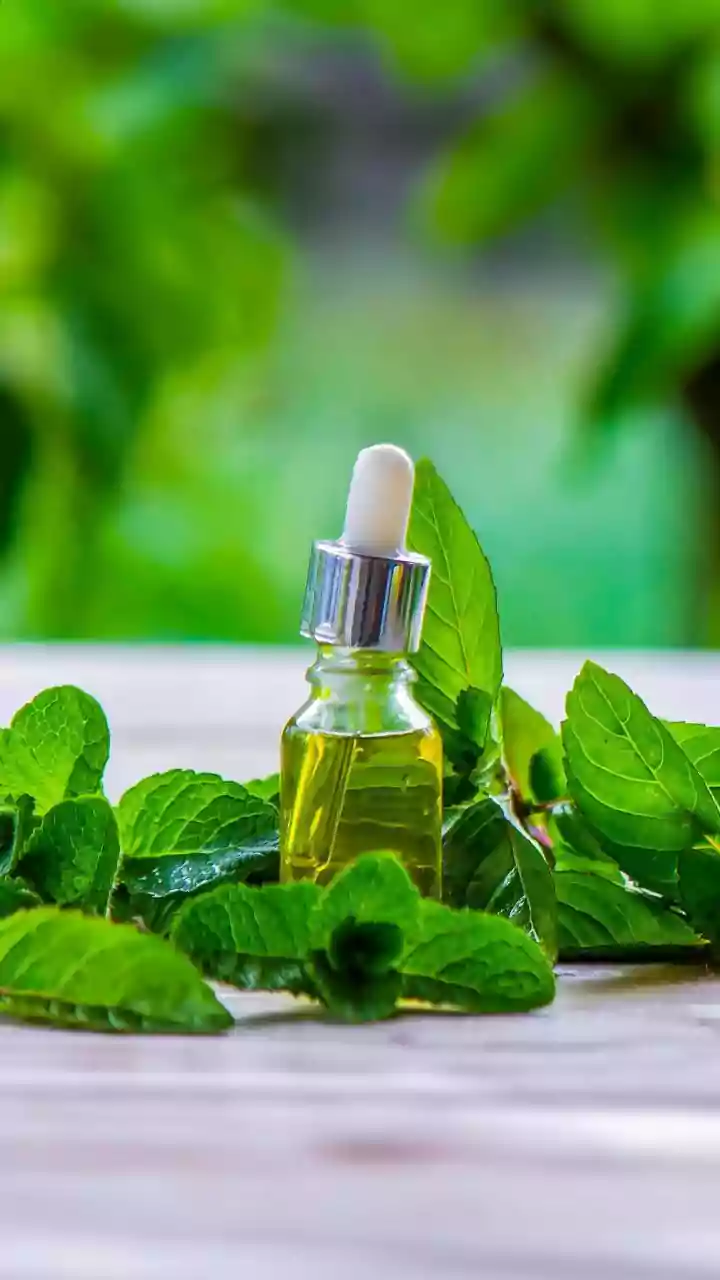
Now for the fun part. Your homemade coriander and mint oils are incredibly versatile. The coriander oil, with its bright, citrusy notes, is perfect for drizzling over grilled fish, chicken, or seafood dishes like shrimp tacos. Use it as a base for marinades or whisk it into a vinaigrette for a zesty salad dressing. The mint oil is wonderfully refreshing. Drizzle it over lamb, add a few drops to quinoa or rice bowls, or finish a cool cucumber and tomato salad with it. Both oils are fantastic for dipping crusty bread or for adding a final flourish of flavour to soups and roasted vegetables.