





From Burnout to Blossom
In the great post-pandemic travel recalibration, a clear pattern has emerged: Indians are craving authenticity over glamour. The hustle of a checklist-driven holiday is being replaced by the gentle pace of ‘slow travel’. This shift helps explain the massive
spike in online searches for terms like “orchard farm stay Himachal” and “apple farm stay Kotgarh”. After years of screen fatigue and work-from-home isolation, the desire for a tangible connection to nature and a simpler way of life has never been stronger. Travellers are no longer content with just seeing a place; they want to experience it. They want to wake up to the sound of birds instead of alarms, breathe in crisp mountain air, and taste food that was grown just a few feet away. This is not just a vacation; it’s a conscious move towards experiential wellness and a rejection of mass-market tourism.
More Than Just a Room
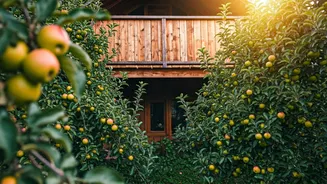
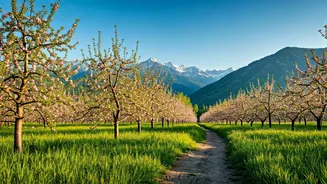
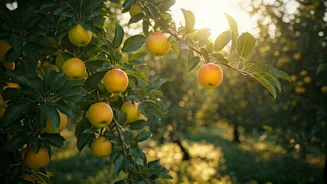
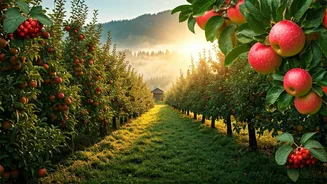
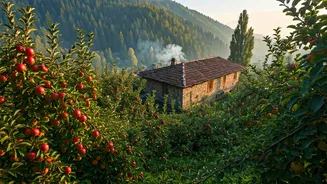
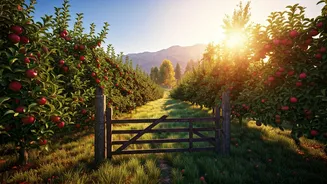
So, what exactly is an orchard farm stay? It’s crucial to set expectations: this is not a luxury resort with an infinity pool and a 24-hour concierge. Instead, it’s an invitation into someone’s home and life. These stays are typically family-run operations set within working apple, cherry, plum, or apricot orchards. Accommodation can range from a rustic room in a family home to a charming, well-appointed cottage on the property. The real luxury lies in the experience itself. It’s about participating in the gentle rhythm of farm life, whether that means watching the apple harvest in September, marvelling at the pink-and-white cherry blossoms in March, or simply enjoying a cup of tea with your hosts as they share stories about their land. Meals are often a highlight, featuring hyper-local Himachali cuisine cooked with ingredients plucked straight from the garden.
Beyond Shimla and Manali
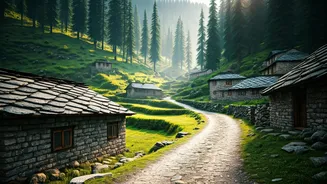
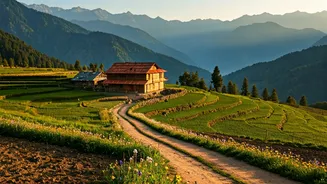
The heart of this movement lies far from the bustling Mall Roads of Himachal’s mainstream hill stations. The real magic is found in the state’s famed fruit belt, in places that were once just dots on a map for most tourists. Areas like Kotgarh and Thanedar, known as the epicentre of India’s apple revolution, are now prime destinations. Other serene spots in the Tirthan Valley, Sangla Valley, and Pabbar Valley are also gaining popularity. Each region offers a unique charm. Kotgarh provides stunning views of the Sutlej river valley, while the higher reaches of Kinnaur offer a more rugged, dramatic landscape. The key is to venture into these quieter corners, where the tourism is community-driven and the experience feels infinitely more personal and rewarding.
The Appeal of Disconnecting
One of the most significant draws of an orchard stay is the opportunity for a genuine digital detox. While some stays offer Wi-Fi, the environment itself encourages you to put your phone away. With patchy mobile signal and an abundance of natural beauty, you’re prompted to find entertainment elsewhere. It might be in a book you’ve been meaning to read, a long walk through dense deodar forests, or a conversation with a fellow traveller. This is the ultimate appeal for the over-stimulated urban mind: the chance to do nothing, and to do it well. It’s about finding joy in simple moments—watching clouds drift across the Himalayas, identifying constellations in a star-filled night sky, or savouring the unparalleled taste of a sun-ripened fruit picked straight from the tree.
What to Know Before You Go
Planning an orchard stay requires a different approach than booking a hotel. Many of these gems aren’t listed on major booking portals. The best way to find them is through word-of-mouth, dedicated travel blogs, or Instagram. Booking is often done directly with the owners. Manage your expectations: amenities can be basic, and you are a guest in a home. Pack layers, as mountain weather is unpredictable, and bring sturdy shoes for walking. The best time to visit depends on what you want to see. Go in March-April for the spectacular blossom season or from August to October for the bustling harvest. Above all, go with an open mind, a flexible attitude, and a readiness to embrace a slower, more meaningful way of travelling.