
Why Agumbe for Photography?
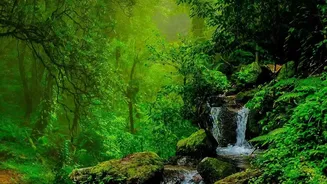
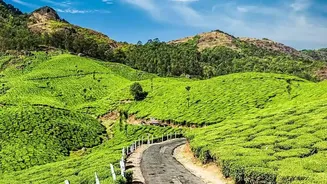
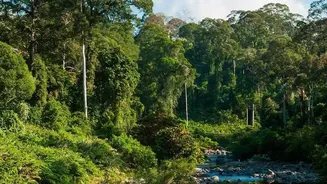
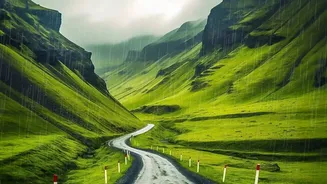
Nestled in the Western Ghats, Agumbe is a land of breathtaking biodiversity, misty mountains, and dramatic waterfalls. Its claim to fame is the staggering amount of rainfall it receives, which transforms the landscape into a vibrant canvas of lush green.
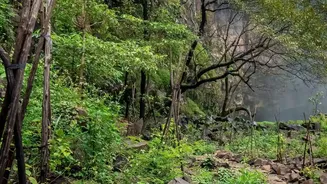
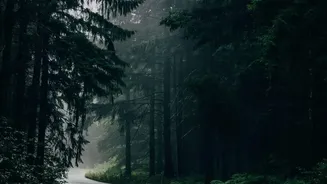
For photographers, this means unparalleled opportunities. From sweeping landscape shots at sunset points to macro photography of rare frogs and insects, Agumbe offers a diverse portfolio of subjects. It is also famously known as the 'Capital of the King Cobra', making it a prime destination for wildlife enthusiasts. The dense rainforest, with fog rolling through the canopy and every leaf glistening with moisture, provides an atmospheric backdrop that is hard to match.
Route 1: The Scenic Drive via Hassan and Sringeri
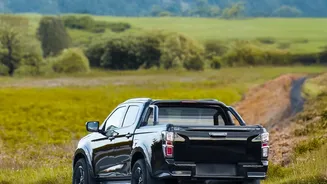
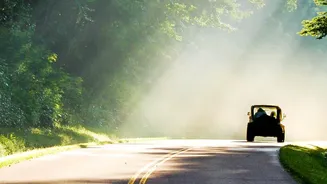
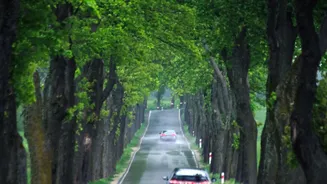
This is arguably the most popular and scenic route, covering approximately 350-380 km and taking about 7-8 hours of driving time. The journey follows the path: Bangalore → Hassan → Belur → Chikkamagaluru → Balehonnur → Sringeri → Agumbe. The roads are generally in good condition, though the stretch between Belur and Hassan can sometimes be rough with patchwork. This route offers numerous photographic stops, including the historic temples at Belur. As you approach Agumbe, you'll navigate the famous ghat road with its series of hairpin bends, a thrilling experience, especially during the monsoon. Driving with caution here is essential.
Route 2: The Direct Path via Shivamogga
Another excellent option is the route via Shivamogga, which is also around 375 km. The typical path is: Bangalore → Tumkur → Arsikere → Shivamogga → Thirthahalli → Agumbe. While parts of the highway towards Shivamogga have seen extensive development, some stretches can be challenging, particularly between Birur and Shivamogga, so checking recent road condition updates is wise. This route is often preferred for its directness. Along the way, you can make a stop at the Sakrebailu Elephant Camp or Gajanoor Dam near Shivamogga for some unique photo opportunities. The final leg from Thirthahalli to Agumbe is incredibly picturesque, with the Tunga river accompanying you.
Prime Photography Spots in Agumbe
Once you arrive, a host of stunning locations await. The Agumbe Sunset View Point is legendary, offering panoramic vistas of the Western Ghats; on a clear day, you might even see the Arabian Sea. For waterfall chasers, Barkana Falls, one of India's tallest waterfalls, is a must-see, although reaching it requires a trek and sometimes a permit. Other beautiful cascades include Onake Abbi Falls, Jogi Gundi Falls, and Kudlu Theertha Falls, each offering a different trekking experience and photographic angle. For misty morning views and a touch of history, a drive to Kundadri Hills, with its 17th-century Jain temple, is highly recommended.
Capturing the Rainforest: Gear and Tips
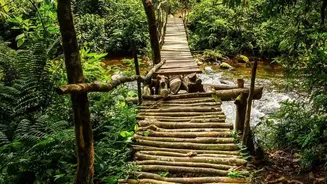
Rainforest photography comes with unique challenges, primarily low light and constant moisture. A weather-sealed camera and lens are ideal. Essential gear includes a sturdy tripod for long exposures in the dark undergrowth, a macro lens for capturing the incredible insect and amphibian life, and a wide-angle lens for landscapes. An external flash with a diffuser is crucial for macro work. Don't forget rain covers for your camera and yourself, as well as leech socks, which are essential, especially during the monsoon. Look for subjects beyond the obvious; the patterns on leaves, colourful fungi, and the behaviour of the Southern Flying Lizard can make for compelling images.
Best Time to Travel and Safety
The best time to visit depends on your photographic goals. The monsoon season (June-September) is when Agumbe is at its lushest and waterfalls are thunderous, but trekking can be difficult and some trails may be closed. The post-monsoon period from October to February offers the best of both worlds: pleasant weather, clear skies, accessible trails, and still-vibrant landscapes. Since this is August, expect heavy rains and be prepared for potential road closures or restrictions on the ghat section, which often apply to heavy vehicles but can affect all traffic. Always drive cautiously on the winding ghat roads, honk at blind turns, and avoid driving at night during heavy downpours.