





The Urban Farmer's Dilemma
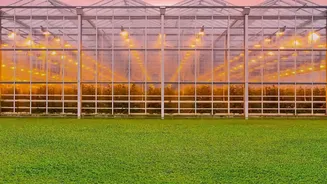
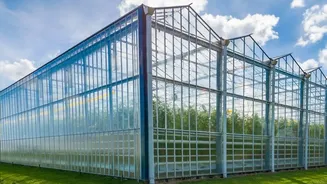
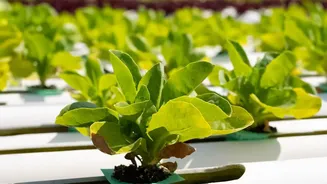
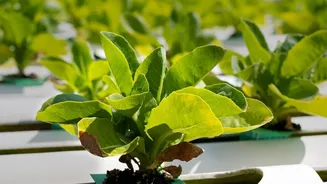
Imagine growing perfect, crisp lettuce indoors, just miles from the consumer. This is the dream of urban agriculture, a burgeoning industry aimed at bringing food production closer to home. Yet, even in controlled environments like vertical farms and
greenhouses, pests are an inevitable challenge. Whiteflies, aphids, and other insects can devastate a crop, forcing growers into a difficult corner. The conventional solution has always been pesticides, but for a business model built on clean, sustainable, and local food, using chemicals feels like a compromise. Consumers are wary, and the very appeal of the product is diminished. This tension between protecting crops and maintaining a chemical-free promise has been a significant hurdle for the industry, often impacting profitability and scalability.
Fighting Pests with Physics
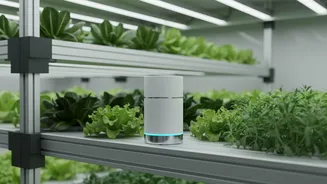
Enter bioacoustic pest management. Instead of chemicals, this technology uses sound waves—often at frequencies above the range of human hearing (ultrasonic)—to create an inhospitable environment for pests. These sonic and ultrasonic devices work in a few ways. Some emit frequencies that disrupt insect nervous systems, feeding habits, or reproductive cycles, effectively driving them away without traps or toxins. Other, more advanced systems use sensitive microphones and AI to actually listen for the specific acoustic signatures of pests. By detecting the tell-tale sounds of insects, these systems can pinpoint an infestation in its earliest stages, allowing for precise, targeted intervention before significant damage occurs. It's a humane, non-toxic approach that keeps the plants, the environment, and the final product clean.
Success Stories in the City
While widespread adoption is still growing, early case studies are demonstrating the real-world value of this technology. Urban farms and greenhouses are finding that sonic and ultrasonic systems can significantly reduce crop loss. For example, studies in greenhouse conditions have evaluated the effectiveness of ultrasonic signals in the 20 kHz to 50 kHz range against common pests like whiteflies and aphids. The technology has proven effective enough that various devices are commercially available, designed to cover areas ranging from small rooms to thousands of square feet. For an urban farm, this means protecting a high-value crop without the expense of chemical sprays or the risk of losing its organic or chemical-free certification. It turns pest control from a chemical battle into a matter of strategic sound design.
More Than Just Pest Control
The applications for sound in agriculture don't stop at chasing away bugs. Researchers are discovering that specific sound frequencies can directly influence plant health and growth. This field, known as Plant Acoustic Frequency Technology (PAFT), has shown that certain sound waves can enhance seed germination, accelerate ripening, and even increase a plant's resistance to disease. Some systems use ultrasonic microphones to 'listen' for the microscopic popping sounds plants make when under water stress, providing an early warning to farmers long before visible signs like drooping leaves appear. This allows for smarter irrigation and resource management, which is critical in a resource-intensive field like controlled environment agriculture. By combining pest deterrence with growth promotion, soundwave technology offers a multi-faceted tool for optimizing urban farms.