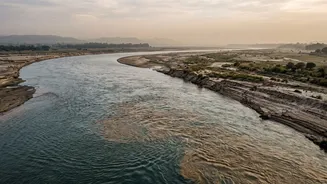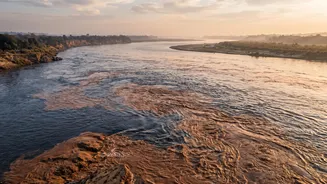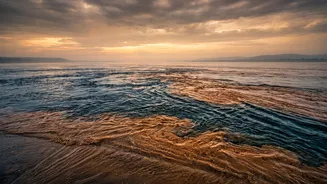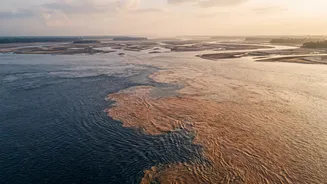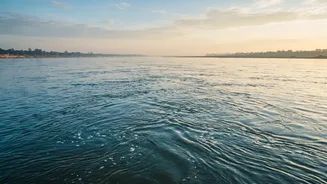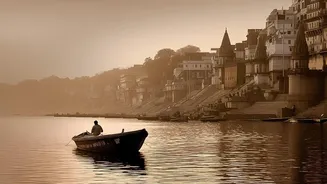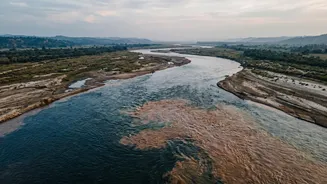





A three-decade-old agreement that has defined water diplomacy between India and Bangladesh is approaching a critical juncture. The 1996 Ganges Water Treaty, a landmark pact on sharing river flows, is set to expire on December 12, 2026. What comes next?
A Treaty Born from Decades of Dispute
The heart of the issue lies at the Farakka Barrage in West Bengal, located about 18 kilometres from the Bangladesh border. India built the barrage, completed in 1975, to divert water into the Hooghly River to flush out silt and maintain the navigability of Kolkata Port. However, this diversion reduces the amount of water flowing downstream into Bangladesh, especially during the lean, dry season from January to May. For years, this caused significant diplomatic friction. The 1996 treaty was a breakthrough, establishing a complex 30-year formula for sharing the water at Farakka, bringing a measure of predictability to a contentious issue. It was celebrated as a cornerstone of bilateral cooperation.
The Stakes for Bangladesh
For Bangladesh, a low-lying delta nation, the flow of the Ganges (known there as the Padma) is a lifeline. Reduced water levels during the dry season have severe consequences, impacting agriculture for millions, increasing salinity in southwestern coastal areas, and threatening the delicate ecosystem of the Sundarbans mangrove forest. Over the years, Bangladeshi officials and environmental groups have reported that the reduced flow has damaged farming, decimated fish catches, and led to the drying up of smaller distributary rivers. As the 2026 deadline looms, Dhaka is pushing for a new, potentially longer-term agreement that guarantees its fair share of water to safeguard the livelihoods of its people.
India's Domestic Pressures and Concerns
India's position is complicated by its own internal demands. The original purpose of the Farakka Barrage—to keep Kolkata Port functional—remains a priority. Beyond that, there is growing pressure from states like Bihar and West Bengal, which are seeking a greater share of the Ganga's water for their own agricultural and industrial development needs. Just recently, Bihar's Chief Minister, Samrat Choudhary, highlighted that the state's interests must be protected before the treaty with Bangladesh is renewed, adding another layer of complexity to the negotiations. These domestic political considerations mean that a simple renewal of the old terms is far from guaranteed.
New Realities: Climate Change and Geopolitics
The world has changed since 1996, and so has the Ganges basin. Climate change is making river flows increasingly unpredictable, with more extreme droughts and floods. The Himalayan glaciers that feed the river are melting at an accelerated rate, which could alter seasonal water availability in the long run. The original treaty's calculations were based on historical flow data from 1949 to 1988, a baseline that experts argue is now outdated and illequipped to handle today's climate realities. Furthermore, China's extensive dam building on the Yarlung Tsangpo (the upper stretch of the Brahmaputra, which joins the Ganges in Bangladesh) adds a new, significant geopolitical dimension to regional water security that both India and Bangladesh must consider.
An Uncertain Path to Renewal
With the December 12 deadline fast approaching, uncertainty surrounds the negotiations. Recent reports suggest that a straightforward automatic renewal is unlikely, with some Indian stakeholders pushing for significant changes, including a shorter treaty duration. Bangladesh, on the other hand, is seeking a deal that provides more security. Complicating matters is the unresolved issue of the Teesta River, another major transboundary river where a water sharing agreement has been stalled for over a decade, casting a shadow of mistrust. High level talks between the two governments are anticipated, but as of early November 2026, the path forward remains unclear.