



Choose Your Route Wisely
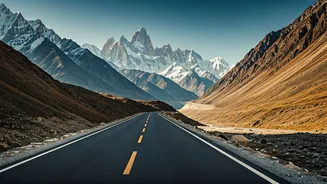
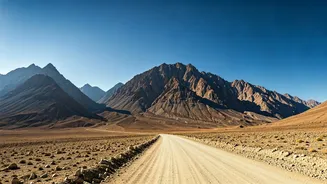
You have two primary road options to reach Leh: the Srinagar-Leh highway and the Manali-Leh highway. While the Manali route is famed for its dramatic landscapes and high passes like Rohtang and Baralacha La, it involves a rapid and punishing ascent. This
makes it a high-risk choice for acclimatization. For a safer journey, the Srinagar-Leh highway is highly recommended, especially for first-timers. Starting from Srinagar (approx. 1,730m) allows for a much more gradual ascent to Leh (approx. 3,500m), with overnight stops in places like Kargil or Dras. This gradual climb significantly reduces the risk of Acute Mountain Sickness (AMS), allowing your body the time it needs to adjust to the thinning air. If you are flying directly into Leh, the acclimatization rules become even more critical.
The Golden Rule: Acclimatization
This is the most important part of your plan. Acute Mountain Sickness is a serious, potentially life-threatening condition. Its symptoms can range from headaches and nausea to severe breathing difficulty. The only way to prevent it is to allow your body to adapt to the lower oxygen levels. The non-negotiable rule is to dedicate the first 48 hours upon your arrival in Leh to complete rest. This means no sightseeing, no strenuous walking, and no immediate trips to higher altitudes like Khardung La. Drink plenty of water (3-4 litres a day), avoid alcohol and smoking, and eat light meals. This initial rest period is not wasted time; it's an investment in your health that will enable you to enjoy the rest of your trip safely. Listen to your body—if you feel unwell, do not ascend further.
Navigating Permits and Paperwork
To visit popular areas like Nubra Valley, Pangong Tso, and Tso Moriri, all tourists (both Indian and foreign nationals) need a Protected Area Permit (PAP) or an Inner Line Permit (ILP). The process has been simplified over the years and can now be done online through the Leh administration's official portal. You can apply for the permit yourself or have your hotel or travel agent do it for you. It’s wise to get this sorted as soon as you arrive in Leh. The online permit requires you to upload a valid photo ID and pay a fee, which includes an environment fee and a Red Cross donation. Always carry multiple photocopies of your permit and your photo ID, as you will need to submit them at various military checkpoints en route to these stunning locations.
Packing for a Land of Extremes
Packing for Ladakh is all about layering. The sun can be intensely strong during the day, while nights can be freezing cold, even in summer. Essentials include thermal wear, a fleece jacket, and a windproof/waterproof outer shell. But don't just focus on clothes. High-altitude sun is harsh, so a high-SPF sunscreen (SPF 50+), a wide-brimmed hat, and UV-protection sunglasses are mandatory to prevent severe sunburn and eye strain. A basic first-aid kit should include medication for headaches, nausea, and any personal prescriptions. Consider carrying Diamox for altitude sickness, but only after consulting your doctor. Lip balm and a good moisturiser are also crucial to combat the dry, cold air. Finally, pack a reusable water bottle to stay hydrated and reduce plastic waste.
Crafting a Realistic Itinerary
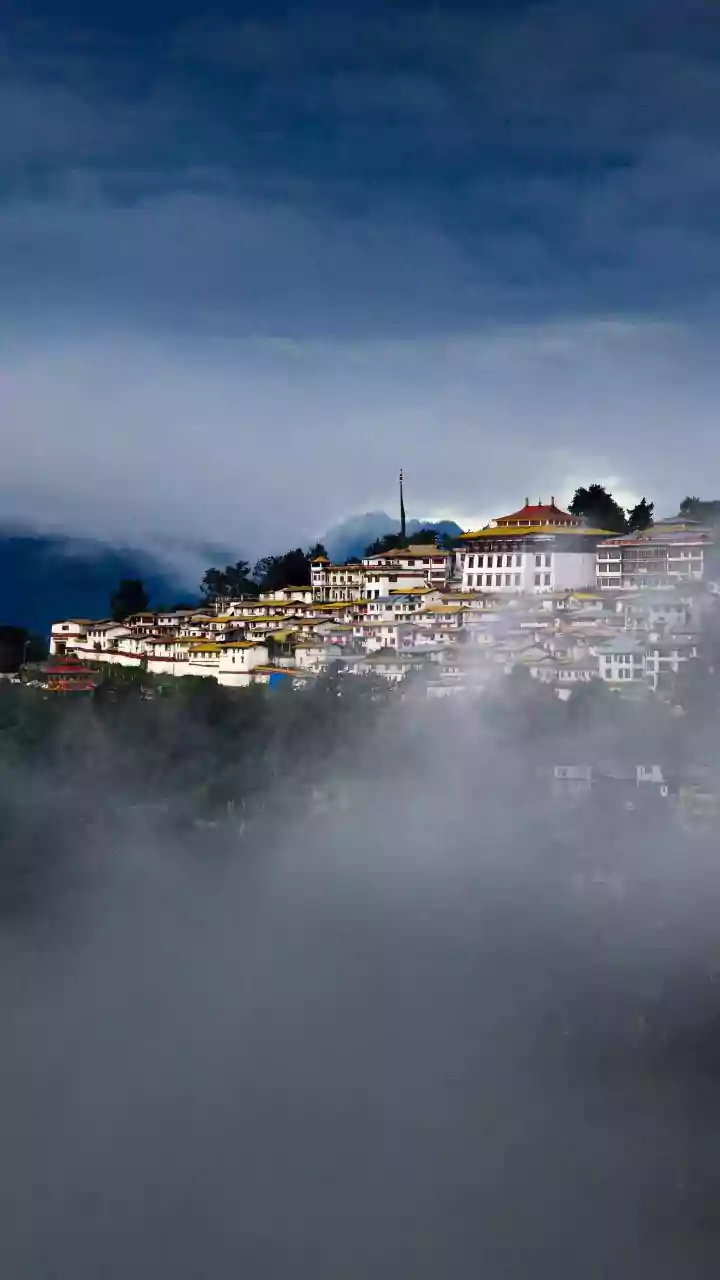
Don’t try to cram too much into a short trip. A rushed itinerary is the enemy of proper acclimatization and enjoyment. A comfortable 7 to 10-day itinerary is ideal for a first-time visitor. After your mandatory 2-day rest in Leh, you can spend a day exploring local monasteries like Thiksey and Hemis. Then, plan a 2-day trip to Nubra Valley via Khardung La, staying overnight in Hunder or Diskit. Another popular leg is the trip to Pangong Tso; while a day trip is possible, it is extremely tiring. An overnight stay near the lake allows you to witness its magical sunset and sunrise. When planning your route, remember the principle of 'climb high, sleep low.' For instance, while you cross high passes during the day, your overnight halts should be at lower altitudes.