

More Than Just A Sweet Treat
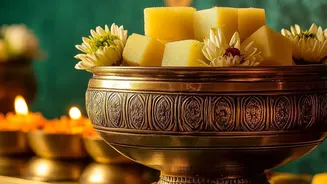
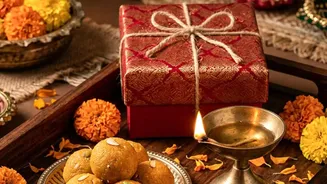
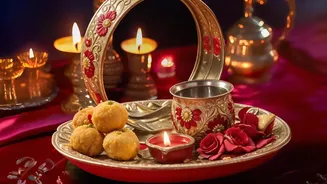
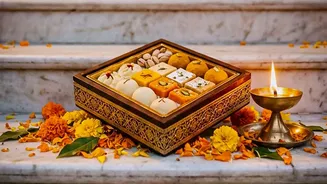
During Diwali, sweets, or 'mithai', are not just desserts; they are central to the celebration. They serve as 'prasad', or blessed offerings to deities like Goddess Lakshmi and Lord Ganesha during puja, symbolising gratitude and divine blessings. This
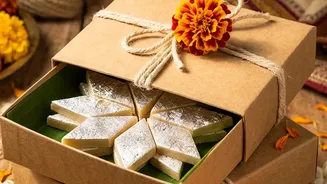
tradition of offering and sharing sweets is steeped in cultural significance, representing happiness, goodwill, and the sharing of joy. Exchanging boxes of mithai with family, friends, and neighbours is a time-honoured gesture that strengthens bonds and fosters community spirit. Each sweet carries with it wishes for prosperity and a sweet start to the new year.
The Modern Return to the Kitchen
While store-bought sweets offer convenience, a growing number of families are reviving the tradition of making them at home. This revival is driven by several factors. A significant motivation is health-consciousness. Making sweets at home allows for control over ingredients, such as the quality of ghee and the amount of sugar. Many are now preparing healthier versions of classics, using natural sweeteners like jaggery or dates, and incorporating ingredients like ragi and whole grains. Another practical reason is cost. With rising prices for ingredients like ghee, sugar, and dry fruits, preparing sweets at home, especially in larger batches, can be more economical than buying from premium sweet shops.
A Taste of Nostalgia and Togetherness
Beyond health and finances, the appeal of homemade Diwali sweets is deeply emotional. The process itself is a cherished ritual that often becomes a multigenerational affair, bringing families together in the kitchen. The aromas of roasting besan or simmering sugar syrup can evoke powerful memories of childhood Diwalis and time spent with grandparents. These food memories are a potent form of nostalgia, connecting people to their heritage and past celebrations. The act of preparing these treats—kneading dough, shaping ladoos, or frying gulab jamuns—is an expression of love and care, making the final product much more personal than a store-bought box.
The Classics Endure, With a Twist
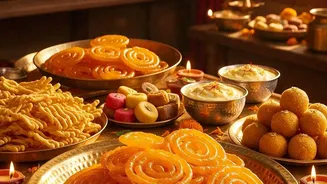
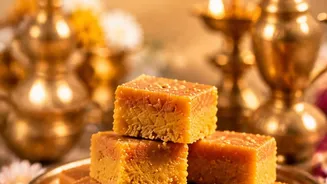
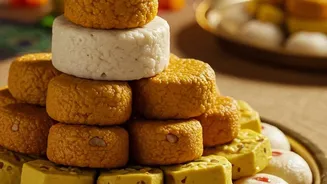
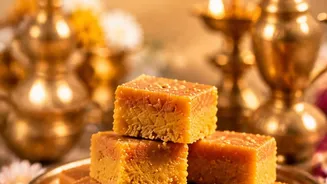
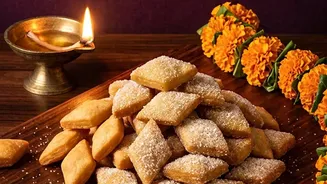
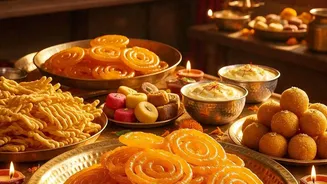
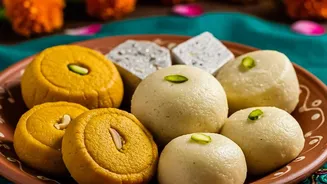
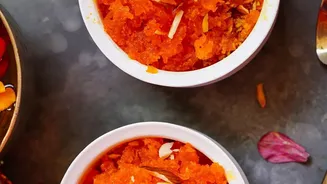
The stars of the homemade Diwali spread remain the timeless classics. Ladoos, particularly Besan Ladoo and Motichoor Ladoo, are staples. Barfis made from cashew (Kaju Katli), almond (Badam Barfi), or coconut are also perennial favourites, alongside syrupy delights like Gulab Jamun and Jalebi. However, innovation is also finding its way into the festive kitchen. Home cooks and professional chefs alike are creating fusion desserts that blend Indian flavours with Western techniques. Think of creative concoctions like Gulab Jamun Cheesecake, Rasmalai Tiramisu, or Motichoor Ladoo Tarts, which offer a novel way to enjoy familiar tastes. This trend reflects an evolving palate that honours tradition while embracing a touch of modern creativity.