







The Limits of Calorie Counting
For decades, the mantra for weight management has been 'calories in, calories out'. While the basic physics is true, a narrow focus on calories alone is a flawed and often frustrating strategy. It treats 100 calories from a packet of biscuits as nutritionally
equivalent to 100 calories from a bowl of spinach and dal. This approach ignores the vast difference in how our bodies process food, the vitamins and minerals we receive, and the impact on our hunger, energy, and overall health. Obsessively tracking every single calorie can lead to a restrictive mindset, turning food from a source of nourishment and pleasure into a source of anxiety. It's a system that prioritises quantity over quality, often at the expense of our well-being.
Meet the Macros: Your Body's Building Blocks
Instead of counting calories, let’s talk about what those calories are made of. This is where macronutrients, or 'macros', come in. Think of them as the primary team that fuels your body. There are three main players: * **Proteins:** The builders. They are essential for repairing tissue, building muscle, and creating enzymes and hormones. Sources include dals, legumes, paneer, eggs, and meat. * **Carbohydrates:** The primary fuel. They provide the energy your brain and muscles need to function. The key is to choose complex carbs like whole grains (roti, brown rice), millets, and vegetables, which provide sustained energy and fibre. * **Fats:** The energy reserves and hormone regulators. Healthy fats are crucial for brain health and absorbing certain vitamins. Think nuts, seeds, avocado, and good quality oils like ghee or mustard oil. Balancing these three gives your body the diverse toolkit it needs to thrive, rather than just giving it raw energy units to burn.
The Power of Local, Seasonal Greens
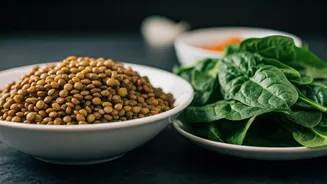
This is where the magic truly happens. Macro balancing becomes effortless and far more nutritious when you lean into India’s incredible bounty of local seasonal greens. That 'saag' your grandmother insisted you eat? She was onto something big. Seasonal vegetables are harvested at their peak, meaning they are more nutrient-dense, flavourful, and affordable. Produce that travels long distances often loses vital nutrients along the way. In winter, you’ll find vibrant sarson (mustard greens) and bathua (chenopodium). The monsoon brings amaranth leaves (chaulai) and colocasia (arbi ke patte). Summer offers cooling pumpkin leaves and purslane (kulfa). From palak (spinach) to methi (fenugreek), these greens are low in calories but packed with fibre, vitamins (like A, C, and K), and minerals (like iron and calcium). They fill you up, nourish your gut, and make hitting your nutrient targets easy.
Building Your Balanced Plate, Simply
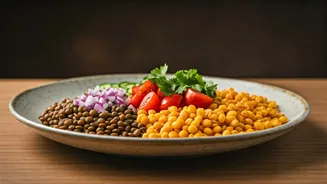
You don't need a spreadsheet to eat a macro-balanced meal. The simplest way to start is by using the 'plate method'. Visualise your plate and aim for this simple composition: * **Half of your plate:** Fill it with non-starchy vegetables, especially your chosen seasonal green. A generous serving of palak paneer, a side of methi sabzi, or a large salad. * **A quarter of your plate:** Dedicate this to your protein source. This could be a katori of dal, a serving of chicken or fish curry, or a portion of paneer or tofu. * **The final quarter:** Fill this with a source of complex carbohydrates. One or two whole-wheat rotis, a small bowl of brown rice, or a portion of millets like jowar or bajra. Finally, add a source of healthy fat, which might already be in your cooking oil or a sprinkle of nuts. This simple visual guide ensures you get a balanced mix of macros in every meal, without any obsessive counting.