


The Monsoon's Magical Makeover
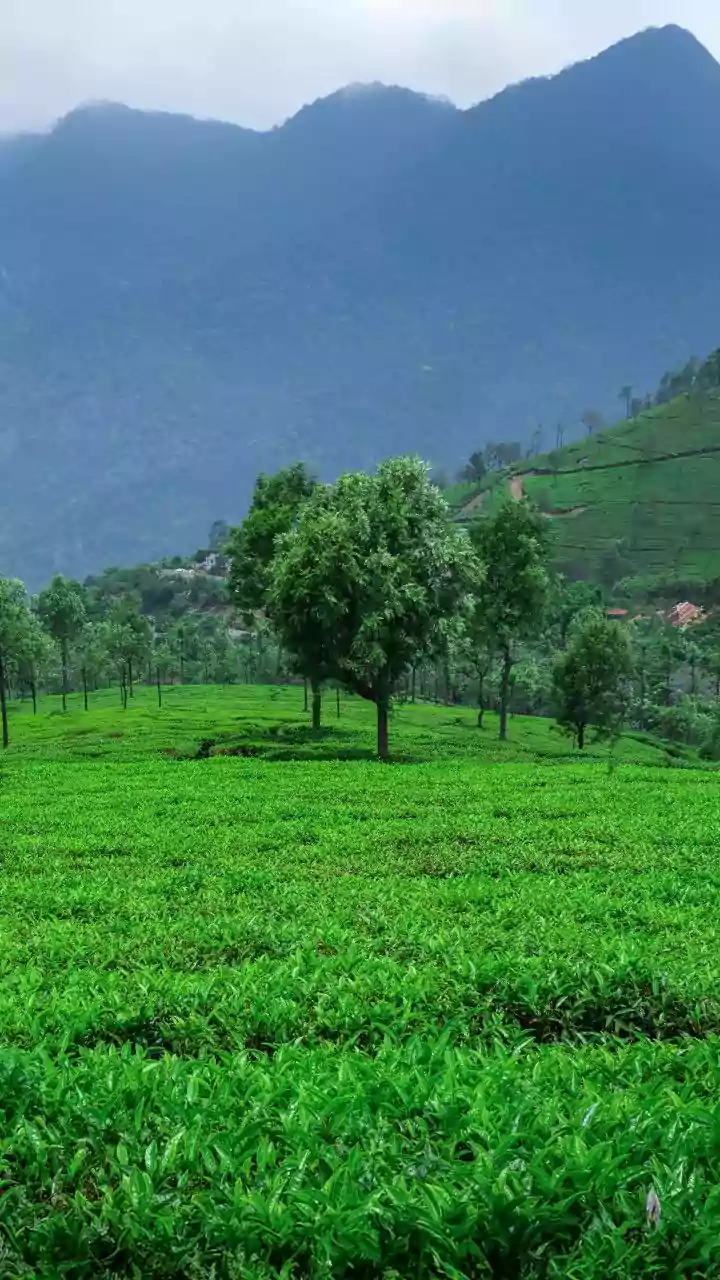
While many travellers shy away from the mountains during the monsoon, they miss one of nature's most spectacular shows. July is when Uttarakhand, lovingly called 'Devbhoomi' or the Land of the Gods, sheds its dusty summer coat and dons a verdant green
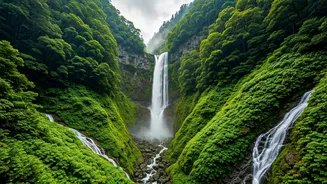
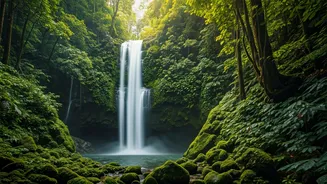
cloak. The rain washes the landscape clean, clouds play hide-and-seek with the peaks, and waterfalls cascade down hillsides with renewed vigour. This isn't a season to avoid; it's a season to embrace. The air is fresh, the temperatures are pleasant, and the entire state hums with a quiet, rejuvenating energy that offers a different, more profound connection to the Himalayas.
Crown Jewel: The Valley of Flowers
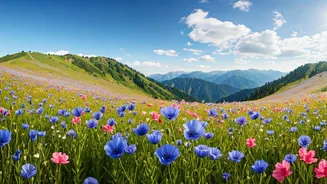
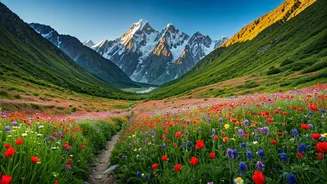
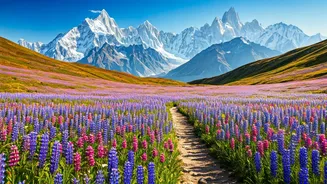
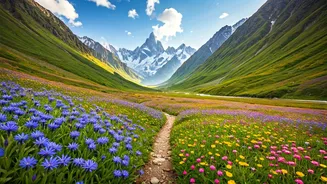
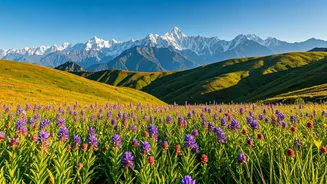
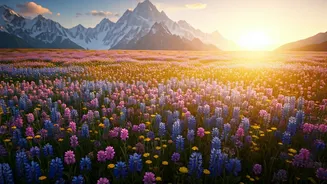
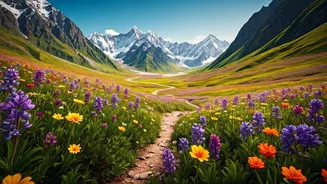
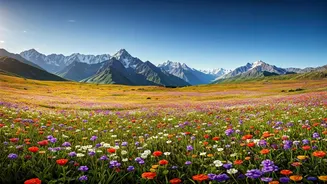
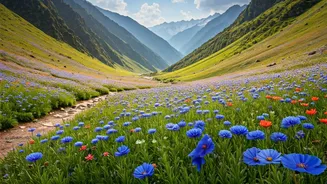
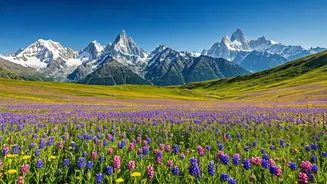
The single biggest draw for a July visit is the legendary Valley of Flowers National Park. This UNESCO World Heritage Site, inaccessible for most of the year, opens its gates in June and reaches its absolute zenith of beauty in July and August. As you trek through this high-altitude Himalayan valley, you are greeted by carpets of alpine flowers stretching as far as the eye can see. Over 500 species, including the elusive blue poppy, the vibrant cobra lily, and the sacred Brahmakamal, create a floral tapestry against a backdrop of snow-dusted peaks. The 10-kilometre-long valley, with the Pushpawati River flowing through it, feels like a landscape plucked from a fantasy novel. It’s not just a trek; it’s an immersion in a living, breathing painting.
Planning Your Journey to Paradise
Reaching the Valley of Flowers requires some planning, but the reward is immense. The journey typically begins from Govindghat. From there, it's a trek or a pony ride to the base camp at Ghangaria, a bustling little hamlet that serves as the entry point for both the Valley of Flowers and the Sikh pilgrimage site of Hemkund Sahib. The trek to the Valley itself is a moderate one, but it’s essential to be physically prepared for walking at altitude. You will need to obtain a permit to enter the national park. It's advisable to spend at least two days in Ghangaria to explore the valley properly and acclimatise to the altitude. Remember, no overnight stays are allowed inside the park, so you must return to Ghangaria by evening.
Beyond the Famous Valley
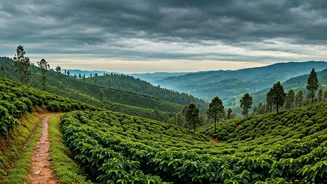
While the Valley of Flowers is the main event, the rest of Uttarakhand is equally enchanting during the monsoon. The meadows of Chopta, often called the 'Mini Switzerland of India', become impossibly green. The trek from Chopta to the Tungnath temple, the world's highest Shiva temple, offers panoramic views of blooming rhododendrons and other wildflowers. Hill stations like Nainital and Mussoorie, though popular, take on a romantic, misty charm. The drive along mountain roads, flanked by lush forests and with clouds drifting across the windscreen, becomes an experience in itself. The key is to be prepared for the rain and embrace the unique atmosphere it creates.
Essential Monsoon Travel Kit
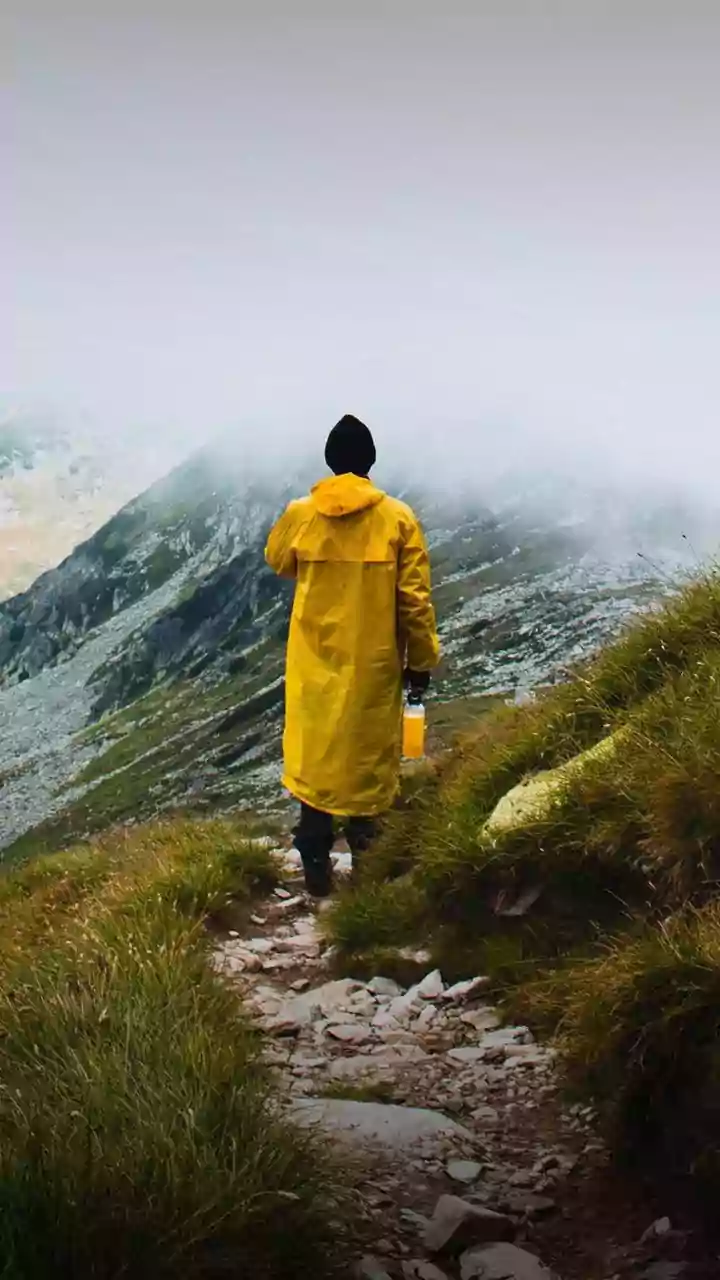
Travelling in the Himalayan monsoon requires a specific set of gear. First and foremost, invest in reliable waterproofs—a good rain jacket and waterproof trousers are non-negotiable. Sturdy trekking shoes with excellent grip are crucial for navigating slippery paths. Pack quick-drying clothes and carry extra pairs of socks. A waterproof cover for your backpack will protect your electronics and spare clothes. It’s also wise to be flexible with your itinerary. Rains can sometimes cause landslides and road closures, so having a buffer day or a backup plan is a smart move. Finally, always check local weather and road conditions before starting your journey each day.