


From Trend-Led to Identity-Driven
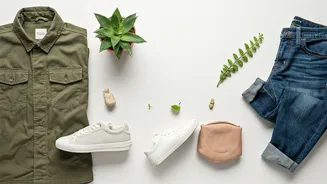
The idea of a 'curated' wardrobe marks a significant shift from conformity to individuality. For a long time, fashion was about fitting in by following mass-market trends. Today, for India’s Gen Z and millennial shoppers, it’s a primary form of self-expression.
They are less concerned with adapting to a certain look and more focused on building a wardrobe that reflects their personal identity, values, and cultural confidence. This new generation of consumers is digitally native and culturally assured, using fashion as a creative outlet to declare who they are. This is not just about rejecting what's popular, but about actively choosing pieces that feel authentic to them, whether it's a modern take on a traditional fabric or a one-of-a-kind vintage find.
The Instagram Effect: Discovery and Personalisation
Social media platforms, especially Instagram, have become the new fashion discovery engines. A study noted that nearly 97% of Indian consumers find fashion brands on Meta's platforms. Influencers and content creators play a huge role, but not just by promoting big brands. They inspire followers by showcasing unique styling, thrift hauls, and custom creations, making fashion more interactive and personal. This digital landscape has empowered consumers to research trends and demand more personalisation. Gen Z, in particular, shows higher brand loyalty to companies that offer personalized experiences, moving beyond a one-size-fits-all approach.
The Boom of Niche and D2C Brands
This demand for unique fashion has fuelled the rise of Direct-to-Consumer (D2C) brands in India. These digital-first companies cut out the middlemen, allowing them to connect directly with consumers, control their brand story, and offer more competitive pricing. Many D2C brands cater to specific aesthetics and values, such as sustainability, pop culture, or modern ethnic wear. The Indian D2C fashion market was valued at approximately $4.6 billion in FY23 and is projected to grow significantly, proving that consumers are eager to support brands that align with their specific tastes and offer something different from mainstream retail.
Sustainability and Second-Hand Cool
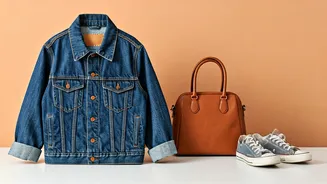
The move toward curated fashion is also deeply connected to a growing awareness of sustainability. Thrifting, or buying second-hand clothes, has transformed from a necessity to a cool, conscious choice. It's seen as a way to counter the environmental impact of fast fashion, reduce textile waste, and find unique, vintage pieces that can't be bought off the rack. This trend is booming on online platforms and social media, where Instagram-based thrift stores offer curated collections of pre-loved clothing. For many young Indians, thrifting is about affordability, exclusivity, and environmental responsibility all rolled into one.
A Modern Take on Tradition
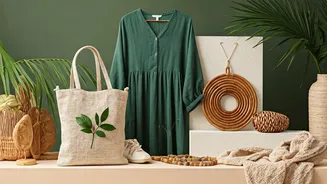
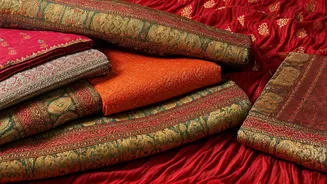
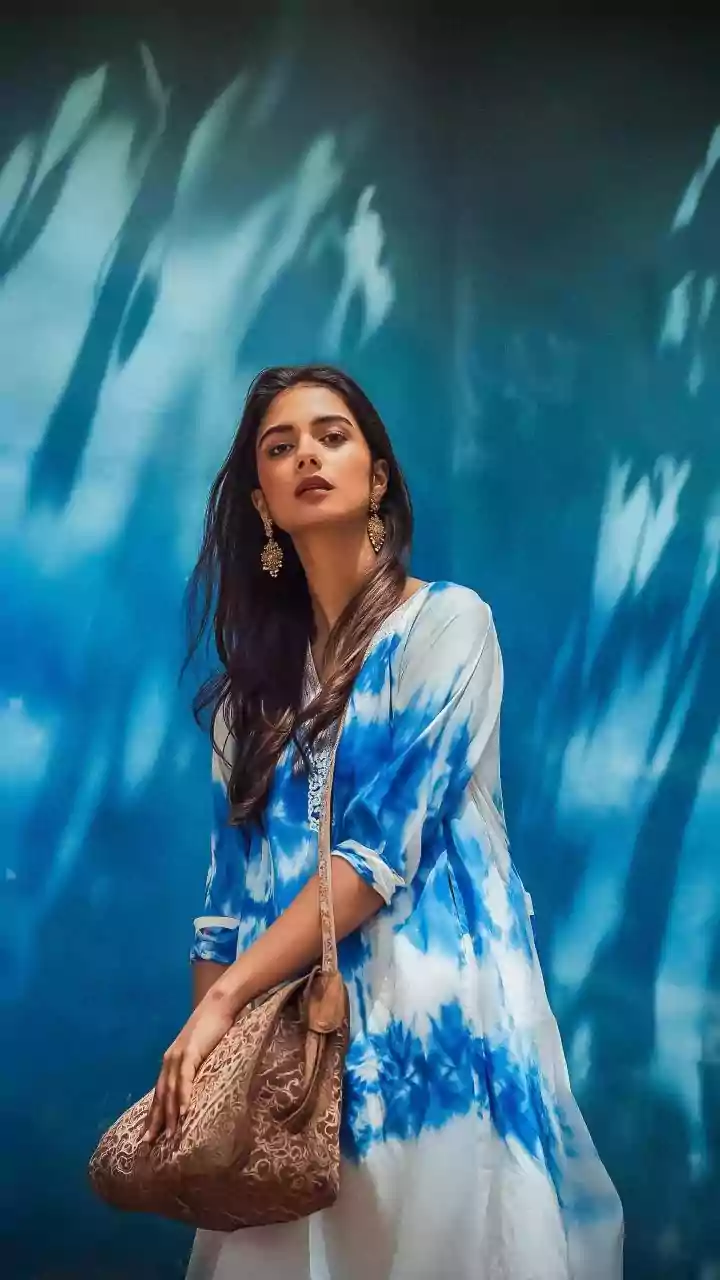
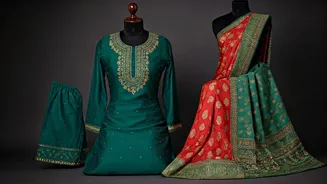
Curation also means re-contextualizing heritage. Young Indians are finding new ways to incorporate traditional textiles and silhouettes into their everyday wardrobes, creating a unique fusion style. Think halter-neck kurtas with jeans, block-print co-ord sets, or reimagined sarees paired with sneakers. It’s no longer about reserving ethnic wear for special occasions. Instead, it is a proud style choice, blending traditional craftsmanship with contemporary cuts. Even the age-old practice of visiting a local tailor is being revived, with young customers bringing their own designs to create custom, one-of-a-kind pieces that break away from mass production.