





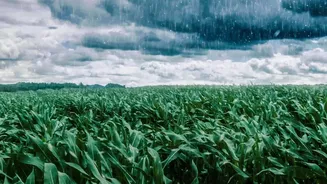
A Lifeline for Agriculture
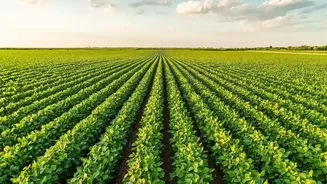
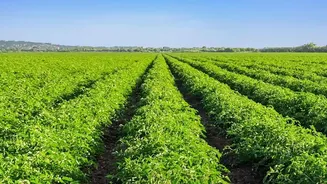
The monsoon is the lifeblood of Indian agriculture, with the June-to-September rainfall being critical for the country's food supply and economy. A good monsoon replenishes reservoirs, ensures healthy soil moisture for winter crops, and provides the water
needed for the primary Kharif sowing season. The health of crops like rice, pulses, and oilseeds is directly tied to the timing and distribution of these rains. For millions of farmers, a timely and adequate monsoon means a successful harvest and stable income. This in turn keeps the supply of essential food items flowing to markets across the country, forming the backbone of India's food security.
When The Rains Turn Destructive
While essential, the monsoon can be a double-edged sword. Erratic or excessive rainfall can be just as damaging as a deficit. Heavy downpours and flooding can lead to waterlogged fields, which damages standing crops like leafy greens, tomatoes, and onions. This immediate crop damage is a primary reason for sudden price spikes. For example, recent monsoon spells have seen the price of tomatoes and coriander skyrocket as heavy rains in key growing regions like Maharashtra damaged plants and reduced output. Farmers often face significant losses as mature or ripening crops are ruined, creating an instant scarcity in the market.
The Broken Path From Farm to Market
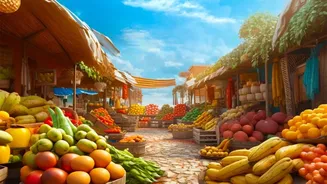
Even when crops survive the initial downpour, they still need to reach you. This is where the monsoon creates its second major hurdle: supply chain disruption. Heavy rains frequently cause flooding, landslides, and damage to roads and other infrastructure. This disrupts the transportation of produce from farms to wholesale markets, known as mandis. Trucks can be delayed for days, and the increased travel time leads to higher fuel costs and a greater risk of spoilage, especially for perishable items. This logistical bottleneck means that fewer goods reach the market, and the additional costs incurred in transport are passed on to the consumer.
Which Foods Are Most Affected?
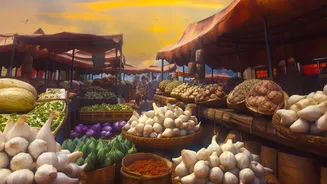
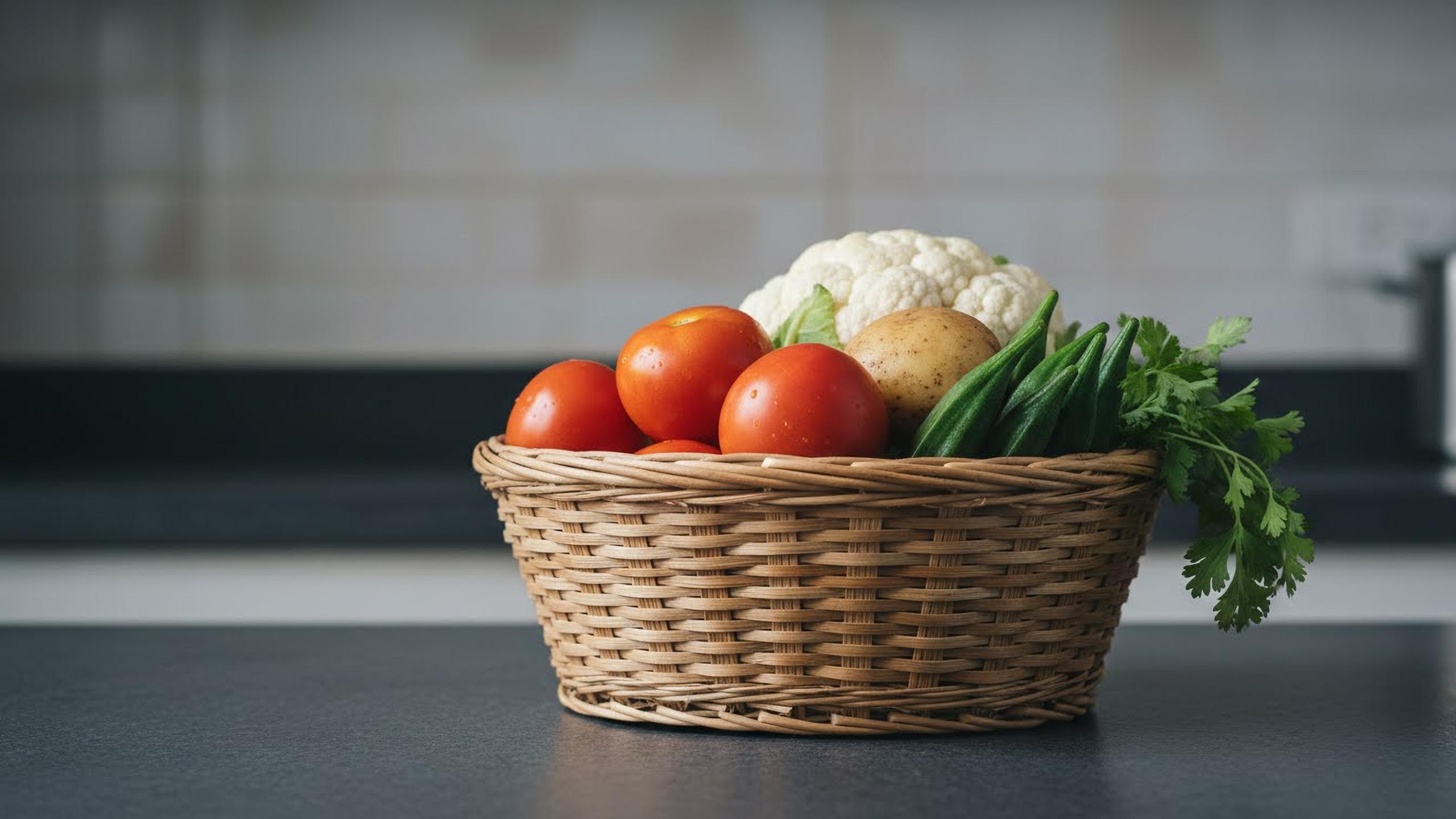
Certain items in your grocery basket are more vulnerable to monsoon price shocks than others. Perishable vegetables are the first to be affected. Tomatoes, onions, and leafy greens like spinach and coriander are highly susceptible to both crop damage from rain and spoilage during transport. In recent months, prices for ginger, garlic, and coriander have seen sharp increases due to rain-related supply disruptions. While staples like potatoes might remain stable or even become cheaper, the ingredients that form the base of many Indian meals can become significantly more expensive. Prices for pulses can also be impacted if sowing is delayed due to poor rainfall distribution early in the season.
Navigating the Monsoon Market
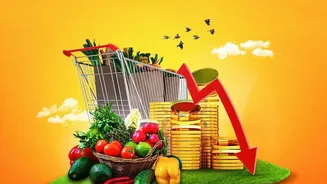
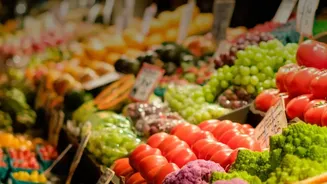
While you can't control the weather, you can be a smarter shopper during the monsoon. Expect some level of price fluctuation, as it's a natural consequence of the season's impact on agriculture and logistics. Focus on buying vegetables that are in season and more resilient to weather changes. Planning your meals and buying in smaller quantities can also help manage costs and reduce waste, especially as vendors report customers cutting back on purchases when prices are high. Being an informed consumer means understanding that the journey of your food from farm to plate is often at the mercy of the clouds, and adjusting your shopping habits accordingly can help ease the strain on your wallet.