



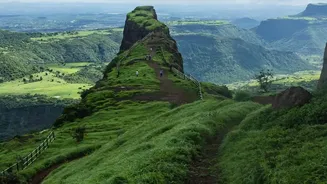


Analyse the Destination’s Monsoon Risk
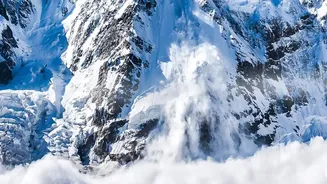
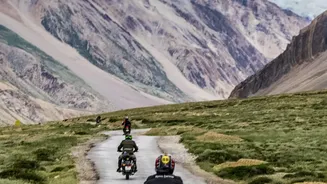
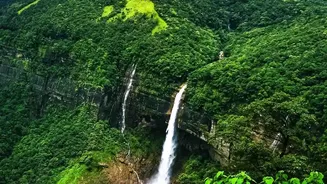
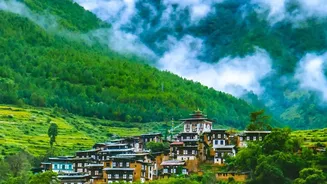
Not all hill stations are created equal, especially during the monsoon. Regions in the Himalayas and the Western Ghats have areas that are notoriously prone to landslides and flash floods. Before falling for a picturesque destination, do a quick search
for its monsoon safety record. Places like parts of Himachal Pradesh, Uttarakhand, the Darjeeling-Sikkim belt, and certain high-range areas in Kerala and Tamil Nadu often feature in advisories for a reason. Intense rainfall on steep, fragile slopes can make access roads treacherous. Consider safer alternatives that offer a similar monsoon charm with better infrastructure and a lower risk profile, such as destinations in the Satpura or Aravalli ranges.
Monitor Weather Forecasts Religiously
This may seem obvious, but a casual glance at a weather app isn't enough. Start monitoring detailed forecasts from reliable sources like the India Meteorological Department (IMD) well before your planned travel dates. Pay close attention to any warnings for heavy or torrential rainfall, thunderstorms, and cloudbursts for your specific destination and the routes leading to it. Weather in the mountains can change rapidly, and an alert issued a day before your trip should prompt you to reconsider or change your plans. Many state disaster management authorities also issue local advisories that are critical to follow.
Verify Road and Route Accessibility
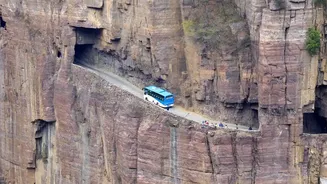
A beautiful hotel is useless if you can't reach it safely. Monsoon rains frequently cause road blockages due to landslides or waterlogging. Before booking, identify the primary and alternative routes to your destination. Check recent updates from local traffic police and state transport departments. Driving on wet, winding mountain roads requires extreme caution; braking distance increases, and the risk of skidding is high. It's often wiser to hire an experienced local driver who is familiar with the terrain and safe routes during the monsoon. Avoid driving at night when visibility is poor, and never attempt to cross a waterlogged street or a road with flowing water.
Scrutinise Your Accommodation's Location
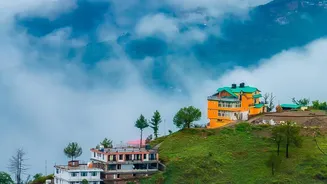
When booking your hotel or guesthouse, look beyond the view and amenities. Check its physical location on a map. Is it situated on a steep, eroding slope or very close to a riverbed or a known landslide path? Reputable hotels will often be built on stable ground with proper structural reinforcements. It’s wise to avoid properties in low-lying areas that could be prone to local flooding. Booking accommodation with flexible cancellation policies is also a smart move, allowing you to change plans without a financial penalty if a weather warning is issued. A quick call to the hotel to ask about their emergency preparedness can also provide peace of mind.
Plan for Delays and Pack Smart
Monsoon travel demands flexibility. Build buffer days into your itinerary. A two-day trip can easily get extended due to a road closure, so don't schedule an important meeting or a flight immediately after your planned return. Your packing list should also be monsoon-specific. Essential items include a waterproof jacket and bag covers, sturdy footwear with good grip, and quick-drying synthetic clothes. Also, carry an emergency kit with a flashlight, a power bank for your devices, and a basic first-aid kit with medications for common ailments. Insect repellent is a must, as the monsoon is a breeding season for mosquitoes.