





Why Himachal’s Sky Shines Brighter
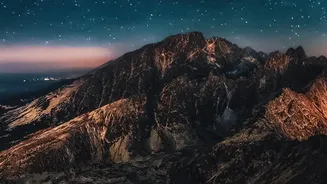
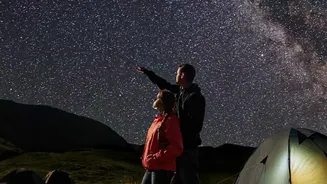
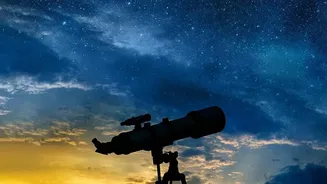
What makes Himachal Pradesh a paradise for stargazers? It’s a combination of three key factors: high altitude, clean air, and minimal light pollution. Higher altitudes mean a thinner atmosphere, resulting in less distortion and clearer, sharper views
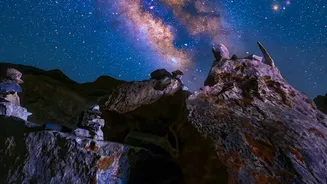
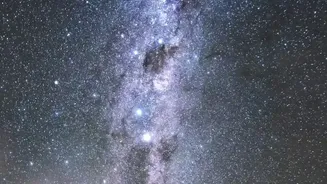
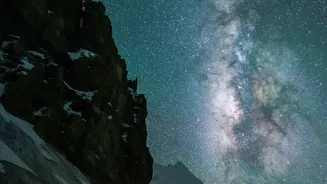
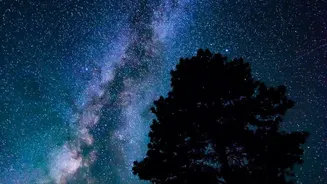
of celestial objects. The state's remote valleys and mountains are far from the smog and haze of urban centres, offering transparent skies. In many of these locations, the darkness is so profound that the Milky Way is not just visible but casts a faint shadow on moonless nights, a phenomenon most city dwellers have never witnessed.
Spiti Valley: The Cold Desert’s Celestial Canvas
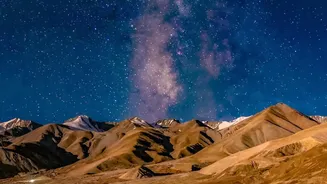
Spiti Valley is often called the crown jewel of Indian stargazing. This high-altitude cold desert, with an average elevation of over 12,500 feet, offers some of the darkest skies on the planet. Its remote location and sparse population result in near-zero light pollution. Villages like Langza, Komic, and Kibber serve as popular bases for astrophotographers and enthusiasts. The region is so dark that it falls into the Bortle Class 1-2 zone, a scale used by astronomers to measure sky darkness, signifying the purest viewing conditions. In recent years, Spiti's reputation has been cemented with the opening of tourist-focused observatories, such as the dome observatory in Kaza, making astronomy more accessible to visitors.
Chandratal: The Moon Lake's Mirror
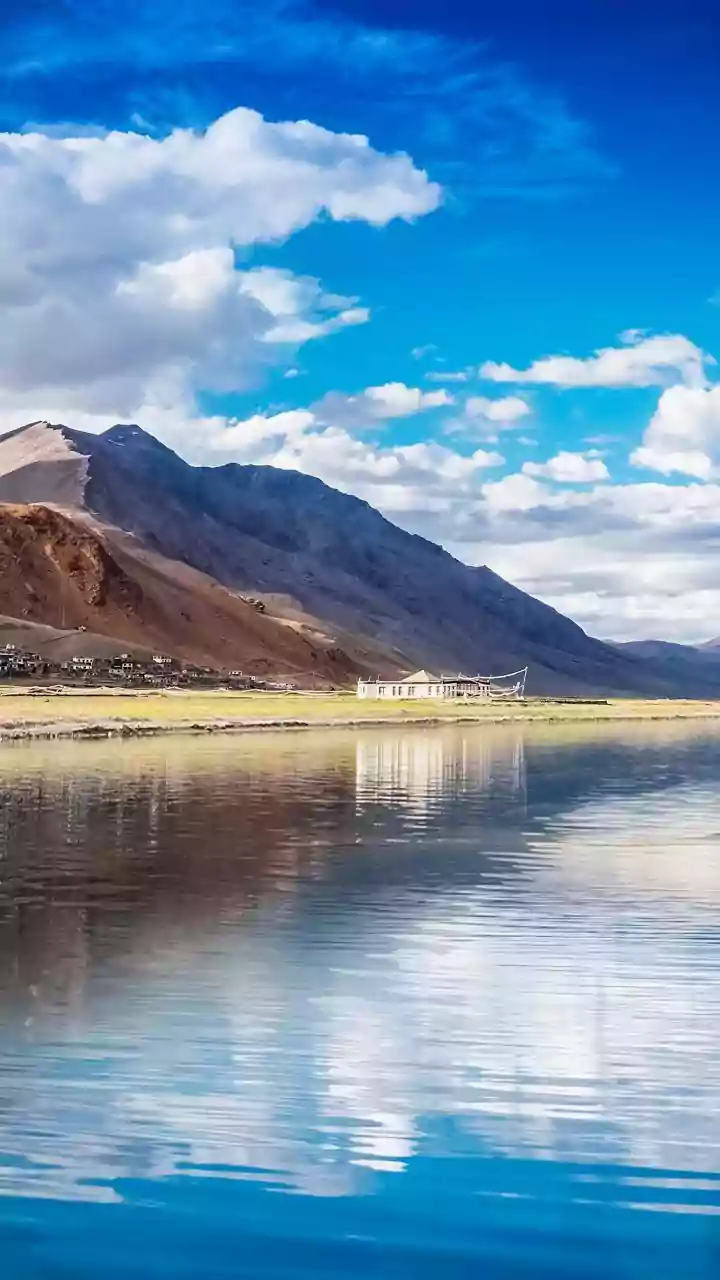
Located at a breathtaking altitude of about 14,100 feet, Chandratal, or the “Moon Lake,” offers a truly magical stargazing experience. On clear, still nights, the lake’s surface becomes a perfect mirror, reflecting the star-studded sky and creating a surreal 'double sky' effect. Its remoteness ensures a complete lack of artificial light, allowing for incredibly detailed views of the Milky Way galaxy. While camping directly at the lake's edge is now restricted to protect its fragile ecosystem, designated campsites nearby still provide an unparalleled opportunity for night sky photography and observation. The best months to visit are from June to September when the roads are accessible and the skies are typically clear.
Hatu Peak: An Accessible Galactic Gateway
For those seeking a Himalayan dark-sky experience without the demanding logistics of Spiti, Hatu Peak near Narkanda is an excellent and accessible alternative. Standing at around 11,150 feet, the peak is easily reachable from Shimla. It offers stunning 360-degree panoramic views and remarkably clear night skies, especially during the spring and autumn months. The peak provides a quiet escape from the light pollution of nearby towns, making it a popular spot for weekend campers and amateur astronomers. The combination of accessibility and quality dark skies makes Hatu Peak a perfect introduction to high-altitude stargazing.
Pin Valley: The Secluded Sanctuary of Stars
Tucked away as a secluded offshoot of Spiti, Pin Valley is a national park known for its stark, dramatic landscapes and unique biodiversity. This seclusion also makes it an extraordinary destination for stargazing. The valley's dry climate and high-altitude terrain create optimal conditions for clear, transparent skies, free from atmospheric and light pollution. It is less frequented than the main Spiti circuit, offering a deeper sense of solitude. For photographers and travelers looking to immerse themselves in nature, the valley provides an uninterrupted canvas to witness the cosmos, from constellations and planets to the faint glow of distant nebulae.