


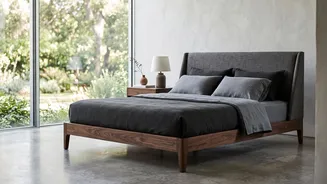
Want to refresh your home with the soft, calming elegance of pastels without committing to a full room makeover? A single accent wall is the perfect solution, offering a stylish update that is both budget-friendly and visually stunning.
The Smart, Stylish Compromise
Pastel colours
are having a major moment in Indian interior design, bringing a soft, calming elegance to modern homes. Shades like sage green, dusty blue, blush pink, and lavender are loved for their ability to make rooms feel brighter, larger, and more welcoming. However, painting an entire room in any colour, even a subtle one, can feel like a big commitment in terms of time, effort, and cost. This is where the accent wall shines. By painting just one wall, you can introduce a beautiful pastel hue into your space without the expense or labour of a four-wall project. It's a design strategy that delivers maximum impact for minimal investment, creating a focal point that adds personality and depth.
The Cost-Effective Advantage
The most significant benefit of an accent wall is its cost-effectiveness. A full room repaint requires a significant amount of paint, primer, and supplies. By focusing on a single wall, you drastically reduce the quantity of materials needed. This not only lowers your initial cost but also gives you the freedom to potentially invest in higher-quality paint for a more luxurious finish, as you're buying less of it. Furthermore, the time and labour involved are cut by more than half. What might be a full weekend project for a whole room becomes a simple afternoon task for an accent wall, making it an achievable and budget-friendly upgrade for anyone.
How to Choose the Right Wall
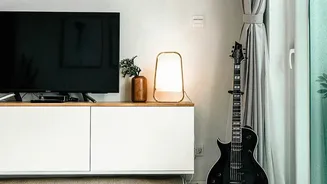
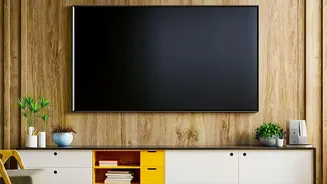
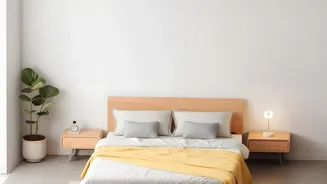
Choosing which wall to accent is a crucial step. The goal is to highlight a natural focal point in the room. In a bedroom, the wall behind the headboard is almost always the best choice, as it naturally draws the eye and frames the main piece of furniture. In a living room, consider the wall behind your sofa or the wall that holds your television and media unit. If a room lacks an obvious architectural feature, choose the wall you see first upon entering. Avoid accenting a wall with too many windows or doors, as this can make the design feel disjointed and choppy. The ideal accent wall is a solid, uninterrupted surface where the colour can truly make a statement.
Selecting Your Perfect Pastel
The beauty of pastels lies in their soothing, airy quality. When selecting a shade, consider the room's function and the mood you want to create. Soft blues and greens, like powder blue or sage, are known for their calming properties, making them perfect for bedrooms and home offices. Warmer pastels like blush pink or a buttery yellow create a welcoming and cheerful atmosphere, ideal for living rooms. It's important to test colours in your space, as natural light can dramatically change a hue's appearance. Popular choices in Indian homes currently include dusty blush, sage green, and sophisticated grey-toned blues that pair beautifully with natural wood and metallic accents.
A Simple Guide to Painting
Creating your pastel accent wall is a straightforward DIY project. First, prepare the wall by cleaning it and patching any small holes with spackle. Once dry, sand the patched areas smooth. Next, use painter's tape to carefully mask off the ceiling, adjoining walls, and any trim or baseboards. This is the key to getting clean, professional-looking lines. Apply a coat of primer if you are making a drastic colour change. Then, using a roller, apply your chosen pastel colour. A 'W' motion helps ensure even coverage. Allow the first coat to dry for 2-4 hours before applying a second for a rich, uniform finish. Remove the tape while the paint is still slightly tacky for the sharpest edges.
Tying the Room Together
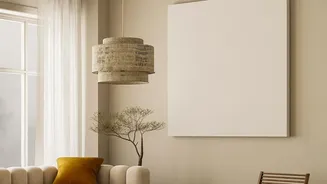
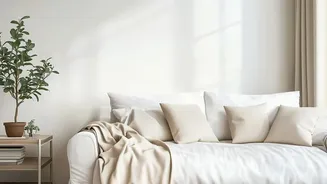
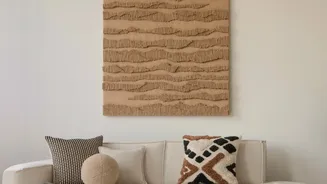
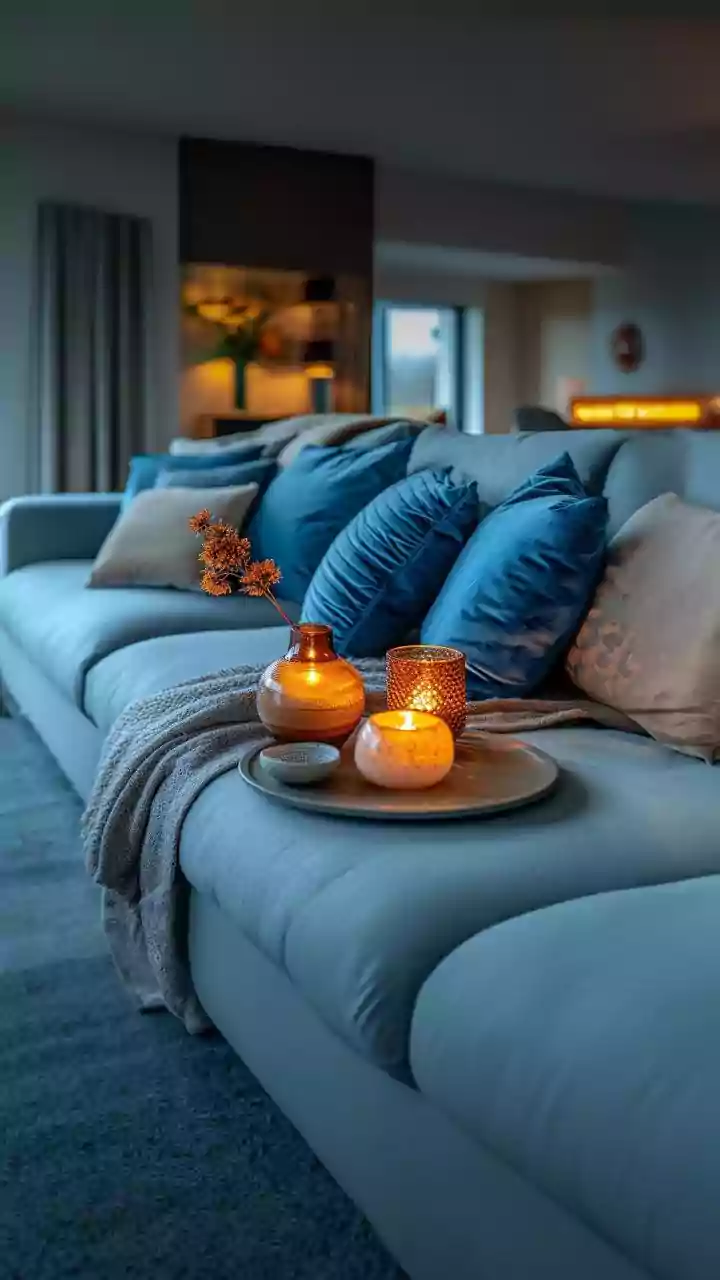
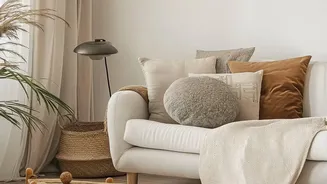
Once your accent wall is complete, the final step is to create a cohesive look. You can do this by echoing your new pastel shade in other elements around the room. Introduce the colour in throw pillows, a soft rug, curtains, or pieces of wall art. This repetition creates a sense of harmony and intentional design. Pairing pastels with neutral tones like white, beige, or grey allows the accent colour to stand out without overwhelming the space. The addition of natural textures like light wood, rattan, or linen can further enhance the soft, calming aesthetic.