



From Commodity Crop to Luxury Good
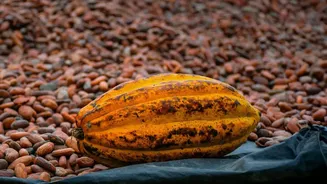
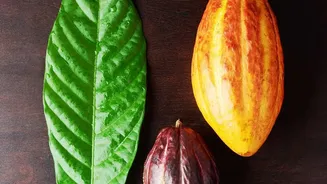
For decades, Indian cacao was largely treated as a bulk ingredient, grown primarily in the southern states of Kerala, Tamil Nadu, Andhra Pradesh, and Karnataka. Farmers often sold wet, unfermented beans to middlemen, with little emphasis on the nuances
of flavour. That story is changing. A new wave of Indian bean-to-bar chocolate makers is transforming the industry by focusing on 'single-origin' beans. This means the cacao comes from a specific farm or region, allowing its unique environmental factors—the 'terroir'—to shine through in the final product. This shift from quantity to quality is putting Indian cacao on the global map for its distinctive and complex profiles.
The Unique Flavours of the Western Ghats
So, what does South Indian cacao taste like? Its flavour is as diverse as the subcontinent itself. Cacao grown in the lush, spice-rich hills of Idukki in Kerala can have a bright acidity with notes of green apple, raisin, and spicy undertones like cardamom and black pepper. Beans from Karnataka might carry nutty or spicy notes, while those from Andhra Pradesh and the Godavari region are also gaining recognition. Often intercropped with coconut, areca nut, and spices, the cacao beans absorb the characteristics of their surroundings, resulting in fruity, earthy, and sometimes floral notes rarely found elsewhere. This unique flavour spectrum is what makes chocolatiers and consumers so excited.
The Artisans Driving the Movement
This revolution wouldn't be possible without the artisans at its heart. A growing community of Indian craft chocolate makers is leading the charge. Brands like Manam, Paul and Mike, Soklet, Mason & Co, and Bon Fiction are not just making chocolate; they are building an ecosystem. Many work directly with farmers, ensuring fair prices and investing in better fermentation and drying techniques, which are crucial for developing flavour. Soklet, based in Tamil Nadu, is known as India's first tree-to-bar chocolate maker, managing the entire process from their own plantation. Hyderabad-based Manam works with hundreds of farms and operates a large fermentation facility, giving them deep control over the final flavour. These makers are crafting an identity for Indian chocolate that is rooted in transparency and quality.
A New Symbol of Sophisticated Gifting
The rise of single-origin Indian chocolate has coincided with a shift in gifting culture. While traditional mithai and imported chocolates still have their place, a growing number of consumers are seeking gifts with a story. Indian craft chocolate fits this niche perfectly. It represents a modern, sophisticated choice that supports local enterprise and celebrates homegrown quality. Giving a bar of single-origin Idukki dark chocolate is more than just a sweet gesture; it's a nod to Indian agriculture, craftsmanship, and a globally recognized standard of excellence. This has made it a popular choice for festivals, corporate gifting, and special occasions.
Winning Acclaim on the World Stage
The claim that Indian cacao is 'sweeping' the world is backed by a growing collection of international awards. Indian brands are consistently winning accolades at prestigious events like the International Chocolate Awards and the Academy of Chocolate Awards. In 2024, Kerala-based Paul and Mike made history by winning India's first Gold at the International Chocolate Awards for their Milk Chocolate Coated Salted Capers. Manam Chocolate from Hyderabad has won a staggering 17 accolades in a single year. These awards are critical validation, proving that Indian-origin chocolate can compete with, and even surpass, the best in the world.