
Imagine a bread that scoffs at expiration dates, a culinary marvel from Southern Italy that can sit in your pantry for months, even up to a year. This isn’t a modern, chemically preserved food, but friselle, a rock-hard, ring-shaped bread with ancient
roots.
What Exactly Is Friselle?
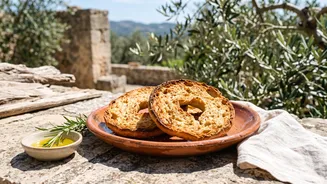
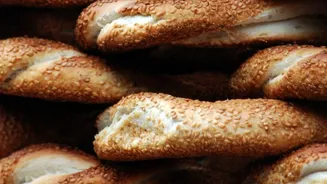
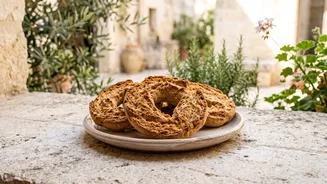
At first glance, friselle (also known as 'freselle' or 'frise') might look like a stale, tough bagel. They are intentionally hard, bagel-shaped rusks hailing from Italy's southern regions, most notably Puglia, the 'heel' of Italy's boot. Made from simple ingredients like durum wheat or barley flour, water, yeast, and salt, their true magic lies not in their composition but in their preparation. The bread is famously crunchy, with a rough, porous interior designed for one specific purpose: to be brought back to life with a splash of water and delicious toppings. Its circular shape isn't just for show; historically, it allowed sailors and travellers to easily string the bread on ropes for convenient, space-saving transport.
The Secret to Its Longevity
The incredible shelf life of friselle is no old wives' tale; it's the result of a centuries-old preservation technique known as double-baking, or 'biscotto' (which literally means twice-cooked). The dough is first shaped into rings and baked until cooked through. Then, while still warm, each ring is split horizontally and sent back into the oven for a second, much longer bake at a lower temperature. This process drives out almost all moisture from the bread, making it an inhospitable environment for mould to grow. When stored correctly in a cool, dry place away from light and humidity, these durable rings can last for many months, with some bakers attesting they can survive for a full year.
A Taste of History
Friselle was born from necessity, a cornerstone of 'cucina povera' or peasant cooking. Its lineage can be traced back thousands of years to the 'panis nauticus', or sailor's bread, of the ancient Romans. For centuries, it was the perfect provision for those who undertook long journeys, including fishermen, farmers, and even Crusaders. Before refrigeration, having a reliable, long-lasting source of carbohydrates was essential. Fishermen at sea would simply dip the hard friselle into clean sea water to soften them before dressing them with a bit of olive oil. In agricultural communities, they were a staple that could be made in large batches and stored for lean times. While durum wheat friselle were once considered a luxury for special occasions, the more common barley version was the everyday bread of the poor.
How to Bring Friselle to Life
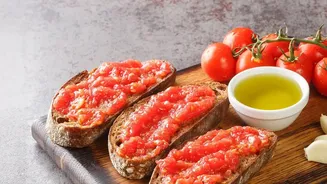
Eating a friselle dry is not recommended unless you want to risk a chipped tooth. The proper way to enjoy it involves a ritual called 'la sponzatura', or soaking. This is a delicate balance; the frisella should be passed quickly under running water or dunked in a bowl for just a few seconds. The goal is to soften the porous interior while leaving the crust with a slight crunch, not to turn it into a soggy mess. Once rehydrated, the fun begins. The classic Puglian preparation is simplicity at its finest: rub the surface with a clove of garlic, then top with fresh, chopped cherry tomatoes, a generous drizzle of extra virgin olive oil, salt, and a sprinkle of oregano or fresh basil. The rough surface of the frisella is perfect for soaking up the juices and oil, creating a wonderfully flavourful and refreshing meal.
Modern Twists on a Timeless Classic
While the classic tomato topping remains a beloved favourite, friselle serve as a versatile canvas for all sorts of ingredients, much like a bruschetta. Different regions have their own variations. In Calabria, they might add sweet Tropea onions and a pinch of chilli. Elsewhere in Italy, you can find friselle topped with everything from marinated vegetables, olives, and capers to creamy cheeses like ricotta. Some modern interpretations even get more adventurous, using them as a base for sautéed clams, spicy 'nduja sausage, or even a Mediterranean-style avocado toast. From a simple, life-sustaining meal for sailors to a cherished summer appetiser, friselle has proven to be as adaptable as it is enduring.