

The Festive Boom in Numbers
The Dhanteras and Diwali period saw a remarkable uptick in precious metal sales, signalling robust consumer sentiment. According to the India Bullion and Jewellers Association (IBJA), Indians purchased 300 tonnes of silver, a 10% increase in volume compared
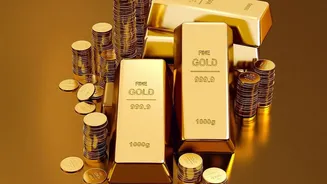
to the same period last year. In parallel, gold demand surged by 30% in volume, with an estimated 52 tonnes sold, translating to a staggering business of roughly Rs 72,000 crore. While different industry bodies reported slightly varied figures, the consensus was clear: value-wise, sales saw a significant jump of 15-20%, even if volume growth for gold was seen as largely flat by some estimates, suggesting that higher prices drove much of the value increase. Still, the combined sales have been hailed by industry leaders as a 'very encouraging start' for the sector.
Why Silver is Shining Brighter
Silver's rise is more than just a footnote to gold's story. With gold prices remaining stubbornly high for much of the year, silver has emerged as the 'new gold' for many aspirational buyers and gifters. Its relative affordability allows consumers to participate in the tradition of buying precious metals without stretching their budgets. A 10% volume jump to 300 tonnes, valued at Rs 5,400 crore, underscores this trend. The demand is not just for traditional items like puja thalis and idols but also for investment products like bars and coins. Furthermore, silver's growing industrial demand in sectors like solar panels, electric vehicles, and electronics provides a strong fundamental underpinning to its value, making it an attractive asset beyond its cultural significance.
A Timely Price Correction Fuels Demand
A crucial factor behind the festive rush was a well-timed correction in gold prices. After hitting a peak of around Rs 1.8 lakh per 10 grams earlier in the year, prices eased to about Rs 1.42 lakh during the festive window. This dip acted as a powerful trigger, drawing in buyers who had been waiting on the sidelines. According to the IBJA, this pent-up demand was a major driver of sales. Many consumers who had postponed purchases, including those for the upcoming wedding season, seized the opportunity to buy. The timing of the festival, coinciding with the arrival of monthly salaries and festive bonuses, also ensured healthy cash flow in the market, further encouraging enthusiastic shopping.
Shifting Consumer Habits
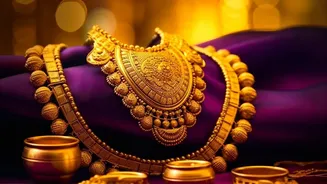
While the overall numbers are impressive, jewellers have noted a shift in consumer behaviour. Faced with high prices, buyers are becoming smarter with their purchases. There's a noticeable trend towards lightweight jewellery in 14-carat and 18-carat gold, which allows for daily wear and modern designs without a hefty price tag. Shoppers who might have previously bought a heavy necklace set are now opting for smaller, more manageable pieces like 12-13 gram designs. This indicates a clear adaptation to the market reality: the desire to own precious metals remains strong, but the approach has become more practical and budget-conscious. Exchange schemes, allowing customers to trade in old gold, also played a significant role in reducing the out-of-pocket expense.
An Indicator of Economic Health
Strong festive sales of high-value items like gold and silver are often seen as a barometer of economic health and consumer confidence. The bustling showrooms this season suggest that despite global uncertainties and inflation concerns, the Indian consumer feels optimistic about their financial situation. The demand isn't just an urban phenomenon; a healthy rural economy has also been cited as a contributing factor. This widespread participation, from small-ticket silver purchases in rural areas to significant gold investments in cities, paints a picture of a broad-based economic recovery and a willingness to spend on assets that are deeply intertwined with cultural and financial security.