



Why July Is a Drainage Danger Zone
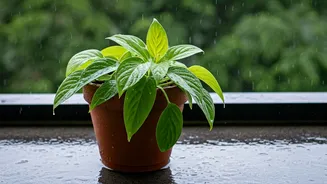
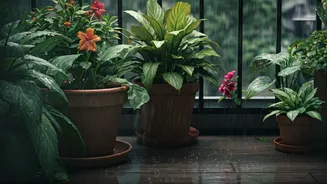
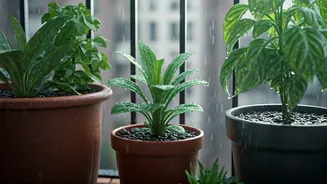
In India, July means monsoon season. While the rains are essential for nature, potted plants on a balcony face a unique threat: waterlogging. Unlike plants in the ground, container plants have a finite amount of soil. When it rains continuously, this
soil can become completely saturated. The air pockets that roots need to breathe disappear, effectively suffocating them. This leads to root rot, a fungal disease that thrives in soggy, oxygen-deprived conditions. The initial signs can be misleading; leaves may wilt, turn yellow or brown, and fall off, making you think the plant is thirsty when it is actually drowning.
Start with the Right Foundation: Your Pot
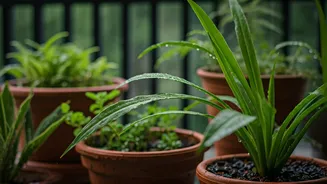
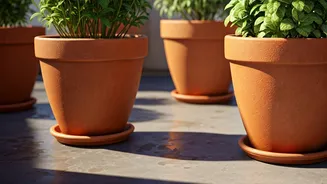
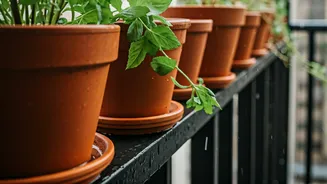
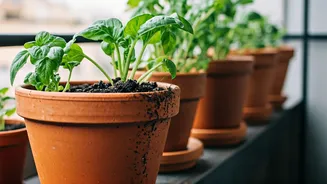
The first line of defence against waterlogging is the pot itself. Every single container in your balcony garden must have drainage holes—this is non-negotiable. If the existing holes are small, don't hesitate to drill a few more, especially in plastic or resin pots. Terracotta pots are an excellent choice as their porous nature allows for better aeration and moisture evaporation. Whatever the material, ensure the drainage holes are clear and not blocked by compacted soil or roots. A simple poke with a stick after heavy rain can make a world of difference.
Craft a Monsoon-Ready Soil Mix
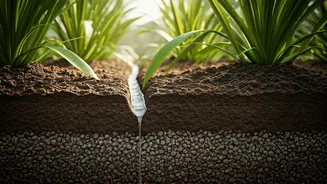
Heavy, clay-based garden soil is a recipe for disaster in pots, as it retains too much water and compacts easily. For balcony containers, a lighter, well-draining potting mix is crucial. You can create your own effective mix by combining ingredients. A reliable recipe for Indian conditions is a blend of 40% cocopeat, 30% compost (like vermicompost), and 30% a draining agent like coarse sand or perlite. Cocopeat helps retain adequate moisture without becoming waterlogged, while sand or perlite creates air pockets that allow excess water to flow through freely.
Elevate Your Plants for Better Airflow
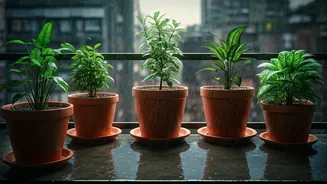
One of the simplest yet most effective tricks is to lift your pots off the ground. Placing pots directly on the balcony floor can seal the drainage holes, preventing water from escaping. You can use bricks, stones, or dedicated pot feet or stands to elevate your containers. This small gap allows for better air circulation and ensures that excess water from heavy monsoon rains can drain away freely, preventing the pot from sitting in a puddle. This also helps in keeping the balcony floor clean and reduces the chances of mosquito breeding in stagnant water.
Adjust Your Watering Schedule
During the monsoon, nature does most of the watering for you. It's a common mistake to stick to a regular watering schedule, which quickly leads to overwatering. Before you even think about watering, perform the 'finger test': stick your finger about an inch or two into the soil. If it feels moist, your plant does not need more water. Only water when the top layer of soil feels dry to the touch. On days with heavy or continuous rain, you should stop manual watering altogether.
Watch for the Telltale Signs
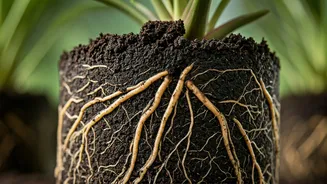
Stay vigilant and regularly inspect your plants for signs of trouble. Yellowing leaves (especially lower ones), limp or mushy stems, and a sour or rotten smell from the soil are classic indicators of overwatering and root rot. You might also see mould growing on the soil surface or notice an increase in fungus gnats. If you suspect root rot, you may need to act fast. Gently remove the plant, inspect the roots (healthy ones are white and firm; rotted ones are brown and mushy), trim away any damaged parts with clean shears, and repot in fresh, well-draining soil.