





The Problem with One-Size-Fits-All
Many of us have a default warm-up: five minutes on the treadmill, a few arm swings, and maybe a quad stretch. While it's better than nothing, this generic approach fails to prepare your body for the specific demands of your workout. A runner’s warm-up should
look different from a weightlifter's. Using the same routine before lifting heavy weights as you do before a long run means you aren't properly activating the key muscles needed for the task at hand. This can limit your performance and even open the door to injury because the right muscles and joints aren't ready for the specific stresses to come.
The Power of a Session-Matched Warm-Up
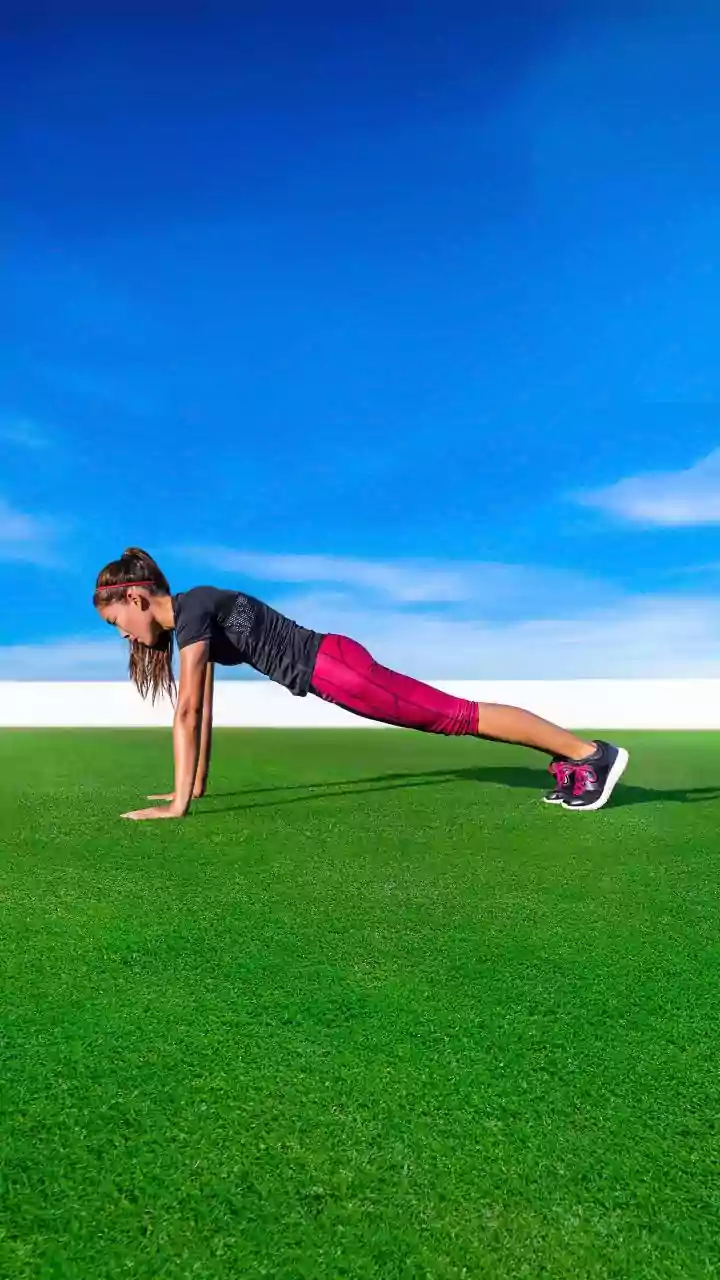
A session-matched warm-up is exactly what it sounds like: a routine tailored to the specific exercises you're about to perform. Its purpose is to gradually increase your heart rate, raise your muscle temperature, and send oxygen-rich blood to the muscles you'll be using most. More importantly, it involves dynamic movements that mimic the workout itself. This primes the neuromuscular system—the communication pathway between your brain and muscles—making you more efficient and powerful from your very first set or stride. Think of it as a dress rehearsal that ensures your body is ready for the main event.
Dynamic, Not Static, Is Key
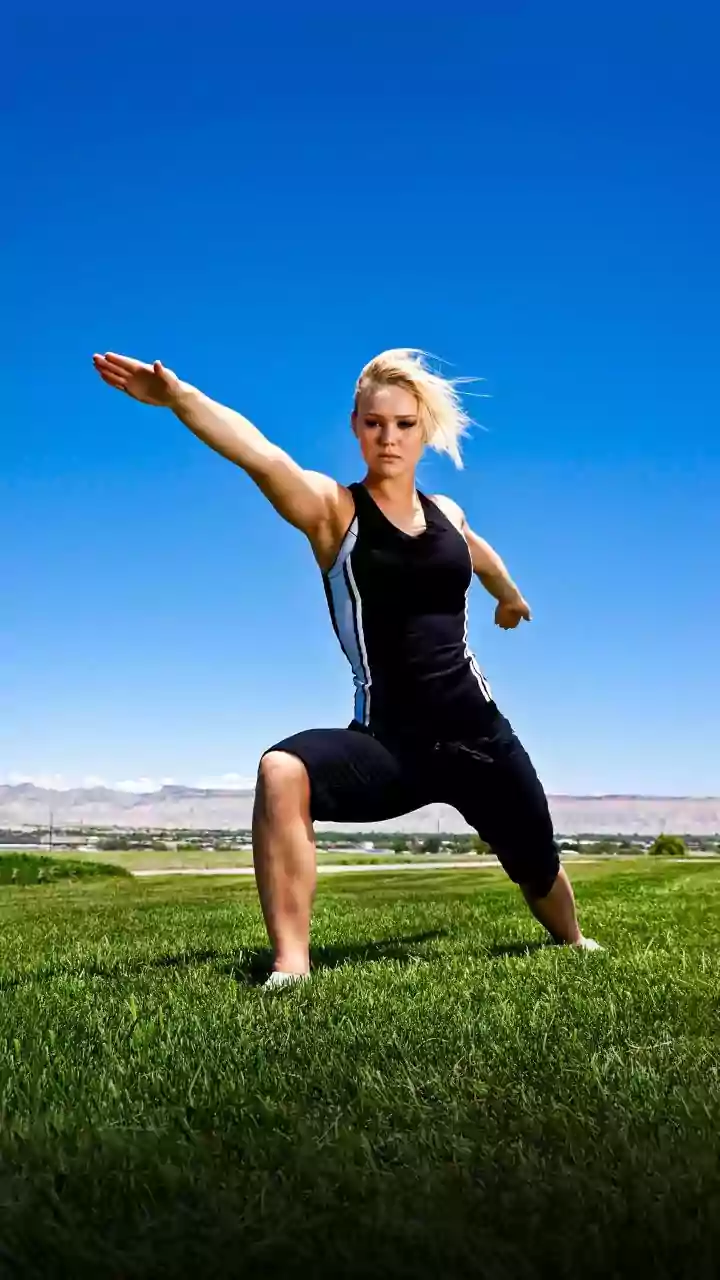
The golden rule of modern warm-ups is to prioritise dynamic stretching over static stretching. Dynamic stretches are active movements where joints and muscles go through a full range of motion. Think leg swings, arm circles, or torso twists. Static stretching, which involves holding a stretch for a period (e.g., 30 seconds), is best saved for your cool-down. Research shows that performing long static stretches before a workout can actually decrease strength and power output. Dynamic movements, on the other hand, increase flexibility and activate muscles without compromising your performance.
Example: Lower-Body Strength Day
If you're heading to the gym to squat and deadlift, your warm-up should focus on your hips, glutes, and hamstrings. Skip the long, slow jog and instead perform movements that open up your hips and wake up your posterior chain. A great routine would include 10-12 reps of each of the following: bodyweight squats to drill the movement pattern, walking lunges with a torso twist to improve mobility, glute bridges to activate your glutes, and leg swings (forward and side-to-side) to loosen your hips. This prepares your body for the specific demands of lifting heavy weight with your lower body.
Example: Running or Cardio Session
Before you hit the pavement or the treadmill for a run, your goal is to prepare your legs and core for repetitive, forward motion. A light jog for a few minutes is a good start to get the blood flowing. Follow this with dynamic drills that get your legs moving through their full range of motion. Try doing 20-30 seconds of high knees, butt kicks, walking lunges, and carioca (grapevine steps). These movements activate the primary running muscles and prepare your joints for the impact of each foot strike, helping you run more efficiently and with less risk of common running injuries.