
A Festival Steeped in Sweetness
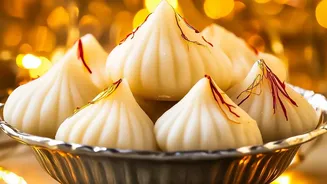
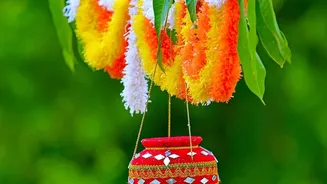
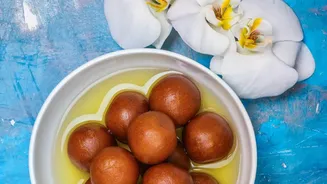
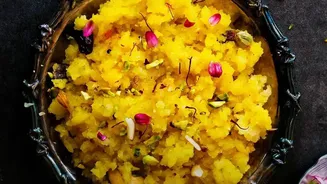
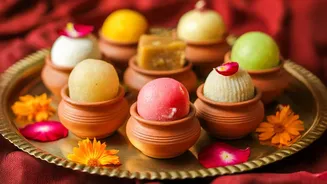
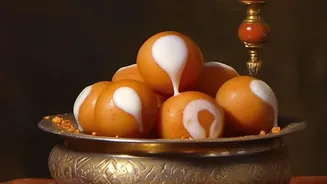
Janmashtami, celebrating the birth of Lord Krishna, is a festival deeply intertwined with food, especially milk-based sweets. Traditional offerings, or 'bhog,' are a tribute to Krishna's legendary love for butter (makhan) and milk. Kitchens across India
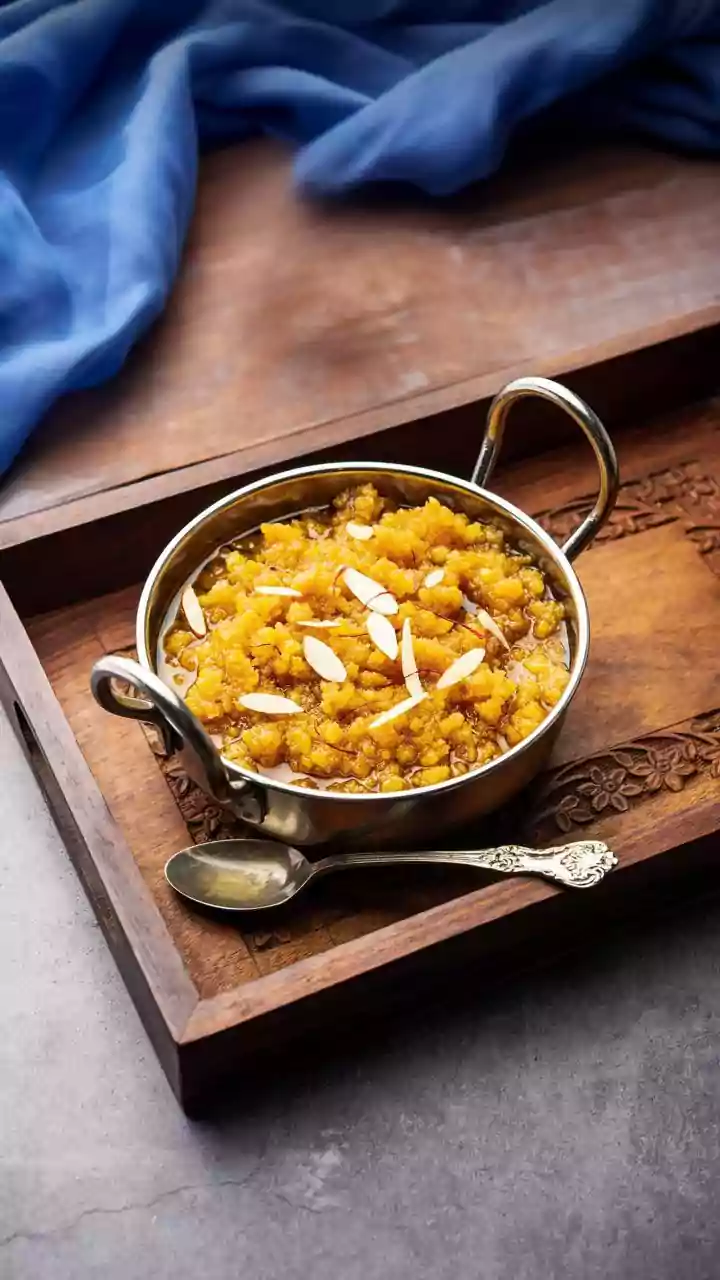
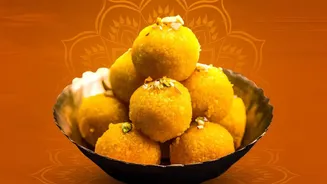
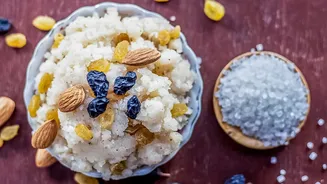
come alive preparing classics like Mathura's Pedas, creamy Kheer, rich Panjiri, and of course, Makhan Mishri—a simple yet divine offering of fresh white butter and rock sugar. These sweets are more than just dessert; they are an act of devotion, a taste of nostalgia, and the very essence of the celebration. For generations, the recipes have remained untouched, passed down as a sacred culinary heritage that defines the joyous occasion. The richness of full-fat milk, ghee, and sugar is central to these beloved preparations.
The Health-Conscious Shift
In recent years, a quiet revolution has been simmering in Indian kitchens. Driven by a growing global awareness of wellness and mindful eating, younger generations are looking at these festive treats with new eyes. They aren't abandoning tradition; they are adapting it. The goal is no longer just about indulgence but about creating sweets that can be enjoyed without guilt. This shift involves re-examining core ingredients and finding creative ways to reduce refined sugar and heavy fats while preserving the authentic flavours that make these sweets special. It is a thoughtful process of innovation, proving that festive feasting and healthy living do not have to be mutually exclusive concepts.
Rethinking the Sweeteners
The most significant change in modernising Janmashtami sweets is the move away from refined white sugar. Young home cooks and professional chefs are embracing natural alternatives that offer sweetness with added nutritional benefits. Jaggery (gur) is the frontrunner, its earthy, caramel-like notes adding a new depth of flavour to classics like Panjiri and Laddus. Date syrup and finely chopped dates are also being used to create entirely sugar-free sweets, such as Date and Nut Energy Bites that are held together by the fruit's natural stickiness. For those seeking to cut calories further, natural sweeteners like stevia and monk fruit are being incorporated into recipes for Shrikhand and Kheer, offering a way to satisfy sweet cravings without the sugar load.
Dairy Reimagined for Modern Palates
The 'dairy' in traditional dairy sweets is also getting a makeover. To cut down on fat, many are now making Paneer Kheer with low-fat paneer or crafting creamy Shrikhand from hung Greek yoghurt instead of heavier creams. Furthermore, the rise of veganism and lactose intolerance has popularised plant-based dairy options. Almond milk, coconut milk, and even oat milk are now being used to create luscious, dairy-free versions of Kheer, Payasam, and Phirni. These alternatives not only cater to specific dietary needs but also introduce subtle new flavours. A Coconut Milk Kheer, for example, has a distinct tropical fragrance that complements traditional spices like cardamom and saffron beautifully, creating a dish that is both familiar and excitingly new.
Innovation on the Festive Platter
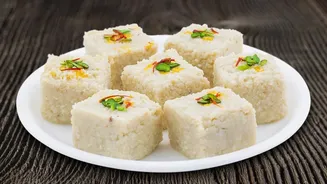
The result of these changes is a vibrant new menu of Janmashtami treats. Imagine a Low-Glycemic Coconut Laddu, sweetened with coconut sugar instead of refined sugar, offering a healthier but equally delicious bite. Or consider a Makhana Kheer made with crunchy roasted fox nuts simmered in low-fat milk, providing a lighter alternative to the traditional rice-based version. There are Poha Barfis made with flattened rice and jaggery, and Oats and Dry Fruit Laddus that are bound with a small amount of ghee and packed with nutrients. These creations are not about compromise. They are about evolution, demonstrating how a new generation is skillfully carrying tradition forward, ensuring that the flavours of faith continue to have a place on the modern Indian table.