




The Protein Foundation
Building muscle is a straightforward process: you stress your muscles through exercise, and they rebuild stronger. This repair process, called muscle protein synthesis, requires amino acids, the building blocks found in protein. Active individuals aiming
to build muscle generally need about 1.6 to 2.2 grams of protein per kilogram of body weight daily. While animal products are 'complete' proteins containing all nine essential amino acids, most plant-based foods are 'incomplete'. However, this is easily solved by eating a variety of plant proteins throughout the day to ensure you get the full spectrum of amino acids. For young vegetarians, this is where kitchen staples become powerhouses.
The Power of Lentils (Dal)
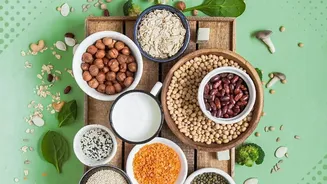
Lentils, or dal, are the foundation of Indian vegetarian cuisine for a reason. They are incredibly cost-effective and packed with nutrients. A single cooked cup of lentils provides around 18 grams of protein, along with essential fibre and micronutrients. While lentils are low in one or two essential amino acids, this is not a problem. The traditional Indian meal of dal with rice or roti is a perfect example of food pairing that creates a complete protein profile, providing all the necessary building blocks for muscle repair. From simple moong dal to robust rajma, incorporating a variety of lentils ensures a diverse nutrient intake.
Paneer: The Slow-Release Protein
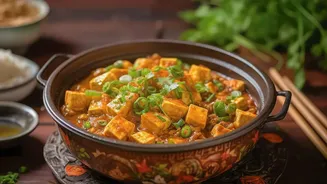
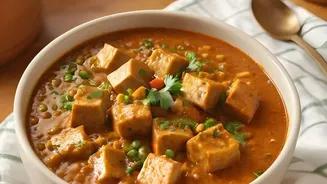
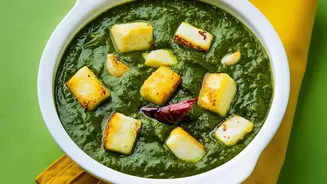
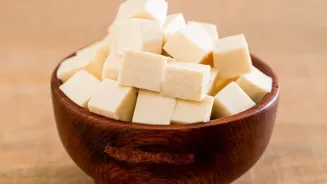
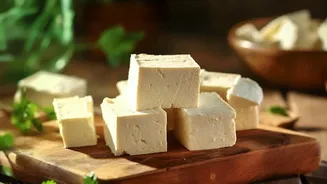
Paneer is a vegetarian athlete’s best friend, especially for recovery. A 100-gram serving delivers a substantial 18 to 20 grams of high-quality protein. The majority of protein in paneer is casein, a slow-digesting protein. This makes it an excellent choice for a meal before bed or a few hours before a workout, as it provides a sustained release of amino acids to your muscles, preventing muscle breakdown and aiding in repair over several hours. While it is higher in fat, its protein density makes it invaluable for meeting daily targets. A simple paneer bhurji or adding cubes to a vegetable curry can significantly boost a meal's protein content.
Tofu: The Versatile Complete Protein
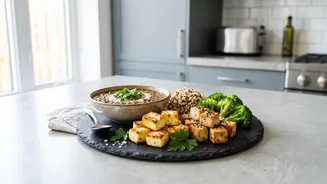
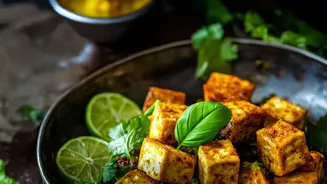
Tofu, made from soybeans, is one of the few plant-based foods that is a complete protein, containing all nine essential amino acids. This makes it an incredibly efficient food for muscle building. A 100-gram serving of firm tofu contains around 8 to 10 grams of protein, but with significantly fewer calories and less fat than paneer, making it a leaner option. Its versatility is its greatest strength. It can be scrambled like eggs, stir-fried, baked, or blended into smoothies, easily adapting to any flavour profile. For young vegetarians looking for quick and healthy meal options, marinated tofu can be a game-changer.
The Synergy of Pairing
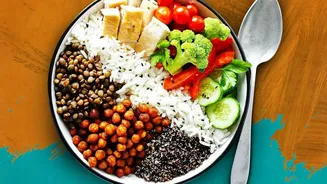
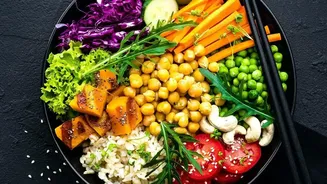
The real magic happens when you combine these three ingredients. Pairing isn't about eating them in the same mouthful but including them in your daily diet. Think about a lunch of dal and rice, and a dinner that features a tofu and vegetable stir-fry. Or perhaps a post-workout snack of a few cubes of paneer. This strategy ensures you are not only hitting your total protein goal but also receiving a full range of amino acids for optimal muscle growth. A meal combining lentils with paneer cubes or a curry made with both tofu and chickpeas covers all your bases, providing both fast and slow-release proteins, fibre, and other vital nutrients.
Putting It All Together
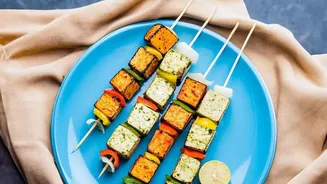
A successful vegetarian muscle-building plan is about consistency and smart planning, not complicated recipes. Start your day with a protein-rich breakfast like a tofu scramble. For lunch, a hearty bowl of rajma or chana with brown rice provides sustained energy and protein. After a workout, a simple snack of Greek yogurt or a handful of nuts can kickstart recovery. For dinner, a paneer tikka or lentil soup ensures your muscles have the fuel they need to repair overnight. The key is variety and ensuring each meal contains a solid protein source. By focusing on these affordable and accessible foods, young vegetarians can build a strong, healthy physique without compromising their dietary principles.