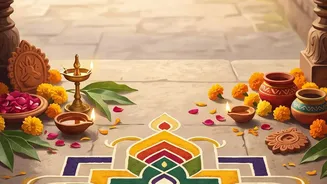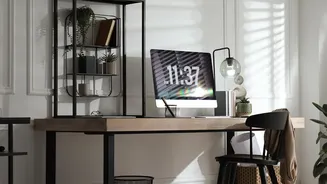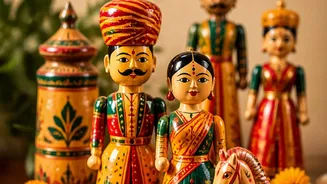




A home should tell a story. In India, a new decor language is emerging, one that pairs the clean lines of modern design with the soul of heritage crafts. This fusion creates spaces that are not just stylish, but deeply personal and rooted in culture.
The Art of Thoughtful Fusion
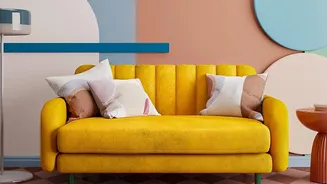
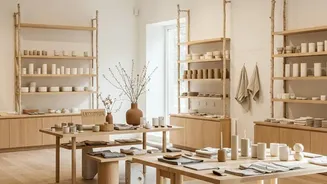
The trend of blending old and new isn't about creating a museum at home. Instead, it's a celebration of contrast. The most compelling interiors today often use a minimalist or neutral base to make traditional pieces truly stand out. Think of a sleek, contemporary sofa brought to life with vibrant, hand-embroidered cushions, or a minimalist wall serving as the perfect canvas for a single, stunning piece of folk art. The idea is to create a dialogue between different eras. The key lies in balance; rather than overcrowding a room, select a few statement pieces that carry history and meaning. This approach prevents a space from feeling overly thematic and instead fosters a unique personality that is both globally modern and unmistakably Indian.
Weaving Stories with Textiles
Indian textiles are one of the easiest and most effective ways to introduce heritage into a modern home. The rich vocabulary of prints and weaves offers endless possibilities. Hand-block prints like Sanganeri or Ajrakh from Rajasthan and Gujarat can transform upholstery, curtains, or bedspreads. A Kantha-embroidered quilt casually draped over a minimalist bed frame adds texture and warmth. Ikat-patterned cushions can provide a pop of colour and intricate design to a neutral-toned living room. These fabrics do more than just decorate; they bring with them the stories of the artisans and the history of their craft, adding a layer of authenticity and soul to your space.
Art and Accents That Resonate
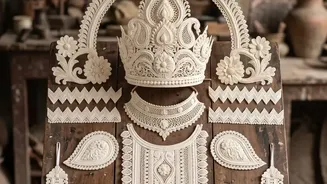
Beyond textiles, handcrafted objects and art offer another powerful way to bridge the gap between past and present. Placing a single, striking piece of traditional art, like a Gond or Madhubani painting, can become the focal point of a room. These art forms, known for their storytelling and intricate patterns, create a beautiful contrast against a simple, modern wall. Similarly, metalcraft, such as Dhokra art from Eastern India or brass idols and urlis, adds a warm, sculptural element. These brass or copper accents work beautifully against contemporary materials like glass and concrete, adding a touch of timeless elegance. Even a collection of hand-painted ceramic plates or a piece of Blue Pottery from Jaipur can introduce personality to a dining area or entryway.
Function Meets Form in Furniture
Furniture is a fantastic medium for this fusion. You don't need a full set of antique furniture to make an impact. Instead, incorporate one or two heritage-inspired pieces. A single handcarved wooden swing (jhoola) in a corner, a coffee table with intricate inlay work, or a vintage cabinet with ornate details can anchor a room and serve as a conversation starter. These traditional items can be paired with sleek, modern seating and lighting to create a balanced look. The revival of materials like cane and wicker also plays into this trend, with handcrafted chairs and cabinets bringing an earthy, textural quality that complements both modern and traditional aesthetics.
Tips for a Harmonious Blend
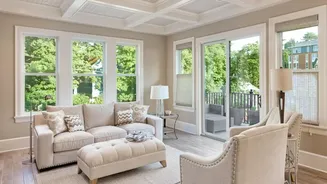
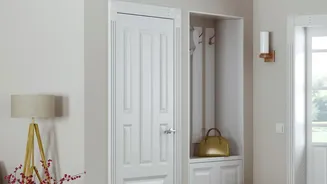
To successfully integrate these elements, start with a neutral colour palette. Whites, greys, and beiges provide a calm backdrop that allows the colours and details of your chosen crafts to shine. Use the 70/30 rule: let one style (either modern or traditional) dominate the space, and use the other for accent pieces. Mix materials thoughtfully; pair the warmth of traditional wood and brass with cool, contemporary glass and steel. Finally, focus on lighting. A traditional jali-patterned lantern can cast beautiful shadows, creating ambiance when paired with modern recessed lighting. The goal is to create a layered space that feels collected over time, not decorated overnight.