








Coimbatore is often called the 'Manchester of South India', a title earned by its sprawling textile industry. But it's also known as the 'Pump City'. How did one city come to dominate two such different fields? The answer lies in a story of necessity
and innovation.
The Rise of a Cotton Kingdom
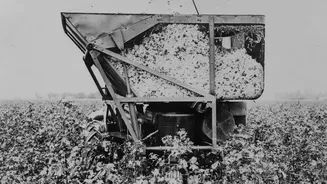
Coimbatore's journey as an industrial powerhouse began with a simple plant: cotton. Blessed with fertile black soil and a climate ideal for cotton cultivation, the region was a natural fit for a textile boom. The first spinning and weaving mills began to appear in the late 19th and early 20th centuries, with pioneers like Sir Robert Stanes establishing modern factories in 1888. The arrival of hydroelectric power from the Pykara Falls project in the 1930s was a game-changer, providing reliable and cheap electricity that fueled rapid industrialisation. This combination of agricultural advantage and technological advancement allowed Coimbatore to build its reputation for producing high-quality yarn and fabrics, attracting entrepreneurs and workers and laying the foundation for a thriving local economy.
Necessity, the Mother of Engineering
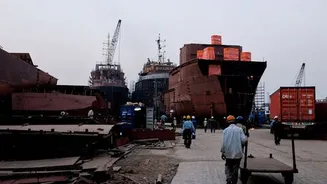
As the textile mills flourished, they created a new set of demands. The massive spinning and weaving machines needed constant maintenance and a steady supply of spare parts. Processing cotton and dyeing fabrics required enormous amounts of water. Rather than depending on faraway suppliers, local entrepreneurs saw an opportunity. A metal casting and foundry industry began to flourish specifically to cater to the needs of the textile machinery manufacturers. This was the birth of Coimbatore's engineering sector. Local workshops started by repairing and then replicating imported machine parts, gradually building their own expertise. The growth was organic, a direct response to the problems faced by the city's primary industry. Profits from textiles were often reinvested into these burgeoning engineering ventures, creating a self-sustaining cycle of industrial growth.
From Mills to Motors and Pumps
The most significant offshoot of this symbiotic relationship was the motor and pump industry. The textile mills required powerful motors to run their machinery and robust pumps to manage water. Visionary entrepreneurs began producing India's first indigenous electric motors in the 1930s to meet this need. Soon, this expertise was applied to another critical regional requirement: agricultural irrigation for the surrounding cotton fields. This led to the explosion of pump manufacturing. Coimbatore became a hub for producing submersible and centrifugal pumps, earning it the nickname 'Pump City'. Today, the city supplies over 40% of India's total requirement for motors and pumps, a testament to an industry that was born from the needs of another.
A Woven and Welded Legacy
The connection between textiles and engineering remains the bedrock of Coimbatore's local commerce. The city is home to over 25,000 small, medium, and large enterprises, the majority of which are in textiles and engineering. This creates a unique industrial ecosystem where innovation in one sector often spurs growth in the other. For instance, textile machinery manufacturing is a major industry in itself, with local giants like Lakshmi Machine Works being key players. This synergy ensures that the supply chain is integrated, lead times are reduced, and the region remains competitive. The engineering cluster, which expanded to include auto components and wet grinders, provides a diversified economic base, making the city resilient. This interwoven heritage has created a culture of entrepreneurship and technical skill that defines the city's character.