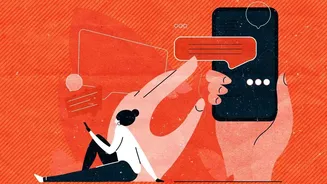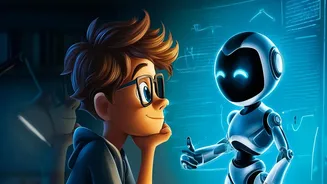

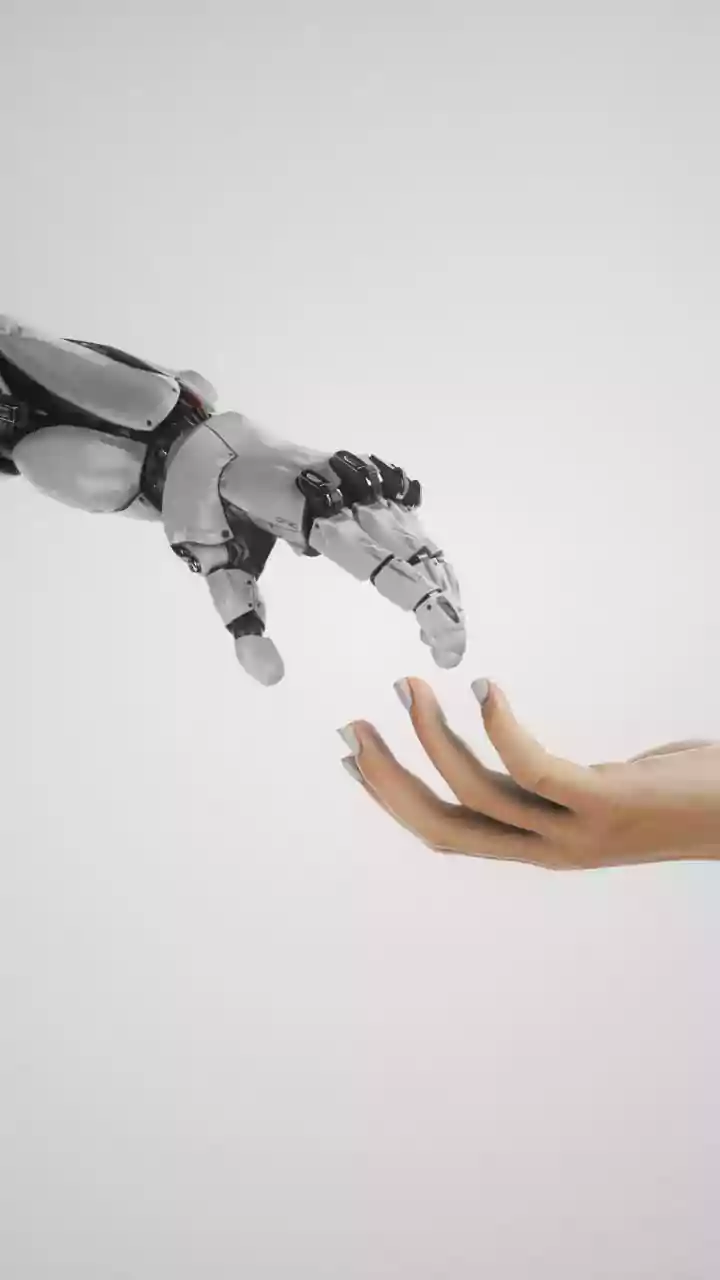





It's a conversation happening in millions of homes, often in complete silence. Your teenager might be asking for advice, confessing a worry, or exploring their identity — not with a friend, but with an AI chatbot. What does this mean?
The New Digital Confidante
From homework help
to navigating tricky social situations, teenagers are increasingly turning to artificial intelligence companions like ChatGPT, Character.AI, and others. Recent studies show a significant portion of teens use these tools not just for facts, but for emotional support, advice, and to simulate conversations. This isn't a niche trend; a 2025 study found that 72 percent of teens had used an AI companion, with over half using them regularly. For many, the chatbot has become a modern-day diary — a private, accessible space to process thoughts and feelings they might not feel ready to share with another person.
Always On, Never Judging
The appeal of AI for a teenager is layered. Psychologists point out that chatbots offer a frictionless, judgment-free zone. There's no risk of an awkward reaction, a lecture, or rejection. For an adolescent struggling with social anxiety or loneliness, this is a powerful draw. The AI is always available, ready to listen without getting tired or busy. This can feel like a safe space for teens to explore identity, ask questions they deem 'embarrassing,' or rehearse difficult conversations, like how to phrase a text to a friend or boss. This perceived safety allows them to process things they may not feel comfortable discussing with parents or peers.
A Signal About Family Communication
While it's easy to view this trend as another instance of technology pulling families apart, experts suggest it may be more of a symptom than a cause. The turn towards AI could signal a gap in real-world connection. Loneliness is a significant driver, with some teens using AI to find the emotional support they feel is missing elsewhere. It can also reflect a normal developmental stage where adolescents seek more privacy and autonomy. However, it also raises questions for parents: Is my child afraid of my reaction? Do they have a trusted adult they can turn to? The chatbot's rise doesn't necessarily mean parents have failed, but it does indicate an evolving need for communication that feels safe, open, and non-judgmental.
The Double-Edged Sword
Mental health professionals are cautiously optimistic but also deeply concerned. On one hand, AI can be a useful starting point for information. For teens without other outlets, it can provide a temporary feeling of connection. On the other hand, the risks are significant. Over-reliance on AI can hinder the development of crucial real-world social skills like resolving conflict, navigating disagreement, and building emotional resilience. Experts warn that AI companions are designed to be agreeable, which can reinforce a user's delusions or biases instead of offering a critical perspective. More seriously, these unregulated platforms can sometimes provide dangerous advice or engage in inappropriate conversations, posing an unacceptable risk to vulnerable youth.
Turning AI into 'Are You Okay?'
So, what can parents do? Banning the technology is often ineffective. Instead, experts recommend opening a curious and non-judgmental dialogue. Ask your teen to show you how they use these tools. Discuss the difference between a programmed response and genuine human empathy. Use it as a bridge to a deeper conversation. A question like, 'I read that some people use AI to figure out tough situations, have you ever tried that?' can open the door. The goal isn't to police their activity, but to understand their world and reinforce that while AI can be a tool, it can't replace the support of people who truly care about them. This trend is a powerful reminder to ensure channels for real, empathetic human connection remain wide open.