




That tight, swollen feeling in your hands and feet after a long flight is a common travel complaint. While sitting for hours is a factor, nutritionists say what you eat before you even leave for the airport plays a major role in water retention.
The Science of 'Travel Bloat'
The uncomfortable
swelling many travellers experience, often called 'travel bloat', is medically known as edema. It happens when your body holds onto excess fluid in its tissues. A primary dietary trigger for this is consuming too much sodium. When you eat salty foods, your body retains water to dilute the high sodium concentration in your bloodstream and maintain a healthy balance. This process, called osmosis, pulls fluid into the spaces between your cells, leading to that puffy, heavy feeling. Travel, especially by air, creates a perfect storm for this to happen. The low humidity in a plane cabin (often drier than the Sahara desert) can lead to dehydration. Ironically, when you're dehydrated, your body's defense mechanism is to hold onto water even more tightly. On top of that, the lower cabin pressure can cause gases in your body to expand and further slows circulation, making it harder for your body to manage fluid levels efficiently.
High-Sodium Foods to Avoid Before Flying
Many convenient pre-travel meals and airport snacks are loaded with sodium. Being mindful of these can make a significant difference. Obvious culprits include salty snacks like chips and pretzels, which are easy to grab but can cause fluid retention. But sodium also hides in many other popular options. Processed deli meats used in sandwiches, such as ham or salami, can contain 500-700 mg of sodium in just a few slices. Takeout meals like pizza or fried chicken from airport food courts often pack 1,500 mg or more. Even seemingly harmless options like canned soups or instant ramen cups can contain over 1,000 mg of sodium per serving due to flavor enhancers. It's also wise to steer clear of fried foods, which are hard to digest at high altitudes and often heavily salted, contributing to both heartburn and bloating. Carbonated drinks can also cause gas and bloating, which is exacerbated by changes in cabin pressure.
Your Smart Pre-Flight Food Plan
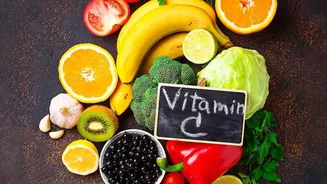
So, what should you eat? Focus on whole, unprocessed foods that are naturally low in sodium. A light, balanced meal before you head to the airport can keep you energized without feeling heavy. Good options include a salad with grilled chicken, a yogurt and fruit bowl, or eggs with whole-grain toast. For snacks to take with you, think fresh. Whole fruits like bananas and apples, unsalted nuts like almonds or cashews, and pre-cut vegetables like cucumber or carrot sticks are excellent choices. If you're buying snacks at the airport, look for things like single-serving containers of hummus, guacamole, or Greek yogurt. These foods not only keep your sodium intake in check but also provide essential nutrients like potassium, which helps your body balance fluids and counteract the effects of sodium.
Hydration is Your Best Friend
It may seem counterintuitive to drink more water when you're worried about retaining it, but proper hydration is one of the most effective tools against bloating. When your body is well hydrated, your kidneys feel safe to flush out excess sodium and water. When you're dehydrated, your body goes into conservation mode and holds onto every drop. Aim to sip water consistently before and during your flight—a good rule of thumb is about a small cup every hour you're in the air. Try to limit alcohol and caffeine, as both can contribute to dehydration and worsen the effects of jet lag. Choosing still water over carbonated beverages will also help you avoid introducing excess gas into your digestive system.