






The Allure of 'Natural' Skincare
On social media, you’ll find countless videos of people rubbing fruit peels on their skin, promising a natural glow, reduced wrinkles, and a cheap alternative to expensive serums. The logic seems simple: fruits are full of vitamins and antioxidants, so their peels must
be a direct path to healthier skin. Banana peels are praised for their supposed ability to soothe inflammation and brighten skin, while citrus peels are hailed as a source of vitamin C. This DIY approach feels wholesome and waste-free, appealing to anyone looking for a simple, budget-friendly beauty hack. However, what works in a professionally formulated product doesn't always translate when using the raw ingredient.
The Cold-Weather Complication
Winter is particularly tough on our skin. Cold air holds less moisture, and indoor heating systems create a dry environment that pulls hydration directly from your skin's surface. This weakens the skin’s protective barrier, a crucial layer of oils and cells that locks moisture in and keeps irritants out. When this barrier is compromised, your skin becomes more susceptible to dryness, tightness, flaking, and sensitivity. Applying potentially irritating substances to an already stressed and vulnerable skin barrier significantly increases the chance of a negative reaction, turning a well-intentioned skincare step into a recipe for redness and discomfort.
The Real Risks of Citrus Peels
Citrus peels from lemons, limes, and oranges are some of the most problematic ingredients in DIY skincare. They contain compounds called furanocoumarins, specifically psoralens. When these compounds on your skin are exposed to UV light from the sun, they can trigger a severe reaction called phytophotodermatitis. This isn't a typical sunburn; it's a chemical burn that can cause painful blistering, swelling, and streaky rashes. Even after the initial inflammation subsides, it can leave behind dark patches of hyperpigmentation that may last for months. Because UV rays are present even on cloudy winter days, the risk doesn't disappear with the summer sun.
Beyond Burns: Other Potential Problems
Even if you avoid a sun-induced reaction, fruit peels present other issues. The acidic nature of fruits like lemons can disrupt your skin's natural pH balance, leading to dryness and irritation. Furthermore, many non-organic fruits are treated with pesticides, and residues can linger on the skin. While washing helps, it doesn't remove all traces, and some pesticides can penetrate the peel itself. Applying these residues directly to your face can lead to skin irritation or allergic reactions in sensitive individuals. Finally, the simple act of rubbing a coarse peel on your skin can cause micro-abrasions, further damaging a skin barrier already weakened by winter weather.
Safer Ways to Get a Fruity Boost
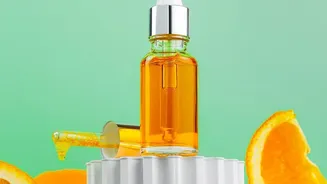
The good news is you don't have to give up on the benefits of fruit-derived ingredients—you just need to choose them in a safer format. Instead of rubbing a raw peel on your face, look for professionally formulated skincare products. For the brightening effects of citrus, choose a stable Vitamin C serum, which is designed for effective absorption without the risk of phytophotodermatitis. For gentle hydration and antioxidant benefits, look for products containing argan oil, jojoba oil, or extracts from banana or other fruits, which have been prepared in a lab to be safe and effective for topical use. These products give you the antioxidant power you're looking for without the unpredictable risks of using raw ingredients.