






An Idea That Bends Reality
Let’s get one thing straight: no one is suggesting that performing a Vrikshasana (tree pose) on a riverbank will magically filter out industrial effluents. The headline, 'Clean Up Indian Rivers Using Dynamic New Age Yoga Movements,' isn't a call for a new,
bizarre form of water treatment. Instead, it’s a gateway to understanding a fascinating and increasingly vital form of environmental activism. This isn’t about literal cleaning; it’s about capturing attention. In a world saturated with grim statistics and government reports, a group of people performing synchronised yoga to protest a river’s death is visually arresting, deeply symbolic, and, most importantly, impossible to ignore. This is the world of 'artivism'—the strategic use of art for social and political change.
The Power of a Symbolic Pose
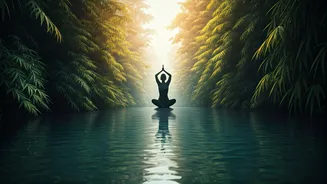
Why yoga? Because in India, few things are as culturally resonant. Yoga is more than just a form of exercise; it’s a spiritual and philosophical tradition deeply intertwined with concepts of purity, balance, and harmony with nature. Rivers themselves are sacred in India, viewed as goddesses and life-givers. When a river like the Ganga or Yamuna is choking on pollution, it’s not just an environmental crisis; it’s a spiritual wound. By using yoga, activists tap into this deep cultural vein. A pose like the Surya Namaskar (sun salutation) becomes a prayer for the sun to once again reflect on clean water. The flowing movements of a vinyasa sequence can mimic the ideal, unimpeded flow of a healthy river. This symbolic language speaks directly to the Indian soul in a way a scientific report might not.
From Metaphor to Movement
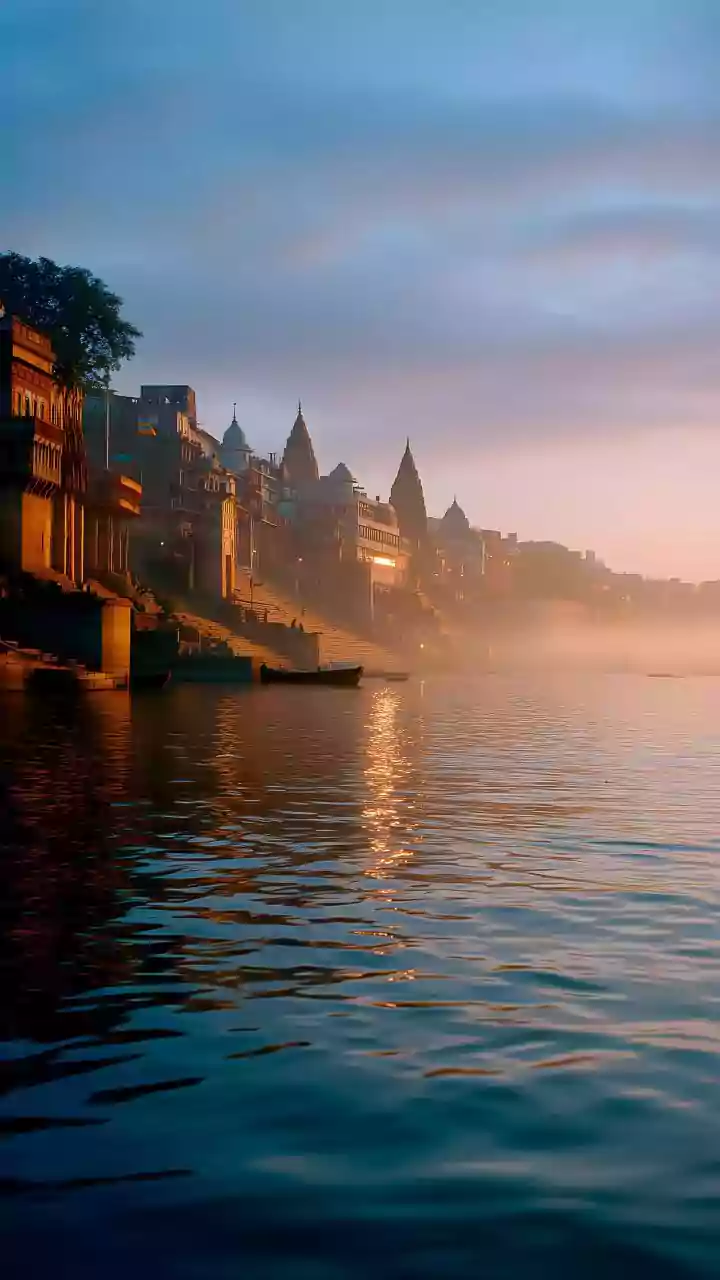
Across the country, artists and citizen groups are translating this metaphor into real-world action. Imagine a 'die-in' on the ghats of Varanasi, where performers lie motionless to symbolise the death of aquatic life. Picture a flash mob in a bustling city square, using dance and yoga-inspired movements to tell the story of a river's journey from pristine mountain source to polluted urban drain. These performances, often documented and spread rapidly on social media, serve as powerful public service announcements. They transform polluted landscapes into temporary stages, forcing passersby and online viewers to confront the ugliness of the pollution against the beauty of the human form and cultural expression. These aren't just protests; they are living, breathing installations that disrupt our daily apathy.
Measuring Success in Awareness, Not Litres
So, does it work? If the metric is 'tonnes of waste removed,' then no, of course not. But that’s the wrong yardstick. The success of such initiatives is measured in column inches, social media shares, and community conversations. The goal is to make the invisible visible. While a government report on chemical oxygen demand might be ignored, a viral video of a 'river ballet' can spark a city-wide debate. It galvanises communities, inspiring them to participate in actual clean-up drives, sign petitions, and demand accountability from local industries and municipal bodies. Artivism acts as the catalyst, creating the social and political will needed for conventional solutions—like policy changes and infrastructure development—to be implemented. It’s the emotional hook that precedes the practical action.
A Broader Canvas for Change
This trend extends far beyond yoga. We see it in the work of street artists who paint murals of endangered species on city walls, in the folk songs rewritten by villagers to protest deforestation, and in the powerful sculptures made from plastic waste pulled from the ocean. Each of these acts uses a cultural medium to bypass our fatigue and cynicism. They remind us that the fight for the environment doesn't have to be waged solely in labs and committee rooms. It can also be fought with creativity, beauty, and the profound power of a shared cultural experience. These artists and activists are showing us that sometimes, the most effective way to inspire change is not to lecture, but to create a moment of wonder and reflection.