

Moving Beyond the Tourist Funnel
Popular destinations like Goa, Manali, and Agra are famous for a reason, but their popularity often comes at a cost: overtourism. This phenomenon can lead to congested streets, strained local resources, and a commercialised experience where authentic
culture takes a backseat. In contrast, offbeat travel is about consciously choosing lesser-known places. Think of serene villages like Shoja in Himachal Pradesh instead of bustling Shimla, or the quiet coastal town of Mararikulam in Kerala as an alternative to packed beaches. This shift isn't just about avoiding crowds; it’s about seeking a more personal and immersive journey. It's the difference between seeing a place and truly experiencing it.
The Economics of Exploring the Unseen
One of the most compelling arguments for choosing an offbeat destination is the incredible value it offers. When demand is lower, so are the prices. Accommodation, food, and local transport in places like Patan in Gujarat or Ziro Valley in Arunachal Pradesh are often significantly more affordable than in their mainstream counterparts. This financial benefit allows your travel budget to stretch further, enabling longer stays or more frequent trips. Moreover, the money you spend is more likely to directly benefit the local community—the homestay owner, the local cafe, or the artisan—rather than large corporate chains. This form of tourism fosters sustainable economic growth at a grassroots level, making your holiday a positive investment in regional development.
Culture Without the Crowds
The promise of 'unique cultural encounters' is where offbeat travel truly shines. In popular tourist spots, cultural experiences can sometimes feel like a performance for visitors. In less-travelled regions, however, culture is simply a way of life. Imagine being one of a handful of visitors in Gurez Valley, Jammu & Kashmir, where the local life remains largely untouched by mass tourism, or witnessing the unique traditions of the Apatani tribe in Ziro Valley. These destinations offer unfiltered interactions. You might share a meal in a family home in Munsiyari, Uttarakhand, or learn about ancient agricultural practices in a village near Hampi. This is authentic immersion—the kind that leads to meaningful connections and stories that last a lifetime.
Spotlight on India’s Hidden Gems
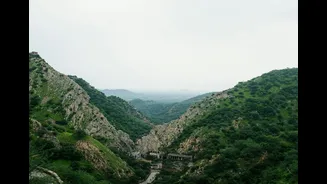
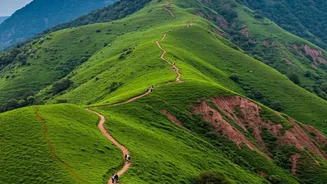
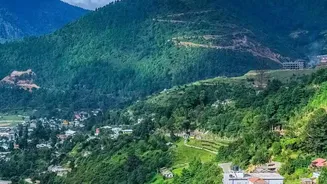
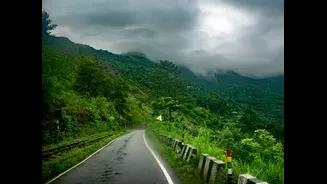
India is a treasure trove of destinations waiting to be discovered. In the northeast, Meghalaya offers not just the famous living root bridges but also pristine villages like Mawlynnong, known as one of Asia's cleanest villages. Down south, the coastline of Karnataka hides gems like Gokarna, a more tranquil alternative to Goa's party scene, and the unique geological formations of St. Mary's Islands. In the heart of the country, the historic town of Mandu in Madhya Pradesh offers stunning Afghan architecture without the crowds of Rajasthan's major forts. For those seeking mountain solitude, places like Spiti Valley in Himachal Pradesh or the Dzukou Valley on the Nagaland-Manipur border offer dramatic landscapes and a sense of profound peace.