



The All-Too-Common Safari Scrum
Anyone who has been on a wildlife safari in one of India’s magnificent national parks knows the feeling. The crackle of the guide's radio, the sudden change in direction, and the rush of adrenaline—a major sighting is near. What often follows is a chaotic
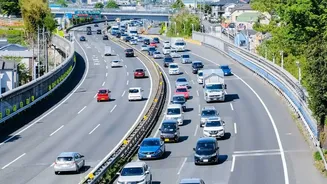
convergence of vehicles, a mini traffic jam in the heart of the wilderness. While the excitement of getting the perfect photograph is understandable, the jostling for position and the sheer number of vehicles crowded around an animal can be incredibly detrimental. This behaviour, often driven by tourist demand and competitive guides, directly violates the core principles of ecotourism. It transforms a moment of natural wonder into a stressful encounter for the very creature everyone has come to admire. The National Tiger Conservation Authority (NTCA) has repeatedly flagged this issue, noting that vehicles often disregard the rules, leading to crowding that is harmful to wildlife.
The Science of Stress and Disturbance
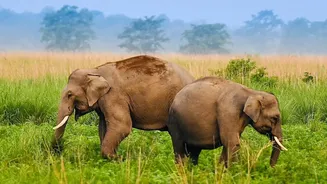
To an animal, a group of loud, rumbling vehicles is not a collection of admirers; it is a perceived threat. Scientific studies have shown that such disturbances have significant physiological and behavioural impacts on wildlife. The noise and proximity of vehicles can cause a spike in stress hormones like cortisol, which, over time, can weaken an animal's immune system and affect its reproductive success. Crowding can interrupt vital activities such as hunting, feeding, nursing young, or resting. A tigress might abandon a hunt, or a deer might be too scared to graze. This repeated stress forces animals to alter their natural patterns, sometimes causing them to avoid the most resource-rich areas of their own habitat simply because of heavy tourist traffic. This fundamentally defeats the purpose of a protected area, which is to provide a safe, inviolate space for wildlife to thrive.
The Letter of the Law
Vehicle spacing is not just a gentle suggestion; it is a codified rule in most Indian national parks and tiger reserves. The NTCA has stipulated that tourist vehicles should maintain a minimum distance of 500 metres from each other at all times. This regulation is designed precisely to prevent the crowding that causes stress to animals and diminishes the quality of the viewing experience for everyone. Furthermore, guidelines often specify speed limits (typically 20-30 km/hr), prohibit getting down from the vehicle, and forbid any action that might provoke or disturb the wildlife. These rules are part of a larger framework under the Wildlife (Protection) Act, 1972, aimed at ensuring that tourism remains low-impact and genuinely 'eco'. When guides and drivers ignore these rules, they are not just being impolite; they are breaking the law and undermining conservation efforts.
Beyond the Animal: Protecting the Habitat
The negative impact of improper vehicle conduct extends beyond the immediate stress to an individual animal. The race to a sighting often involves rapid acceleration and hard braking, which contributes to noise and air pollution within the pristine forest environment. In some cases, drivers may even go off the designated tracks to get a closer look, a practice that is strictly forbidden. This can cause soil erosion, damage vegetation, and destroy the micro-habitats of smaller, less visible creatures. The cumulative effect of hundreds of vehicles flouting the rules day after day can lead to significant degradation of the very ecosystem the park was created to protect. Responsible tourism requires a holistic view, where the integrity of the entire habitat—from the soil and streams to the insects and grasses—is respected.
Your Role as a Conscious Tourist
As a visitor, you hold more power than you might think. Your choices and your voice can contribute to a more responsible safari culture. Start by choosing ethical tour operators who have a known reputation for respecting wildlife and park rules. During the safari, do not pressure your driver or guide to get closer to an animal. If other vehicles are crowding, ask your guide to pull back and wait. Sometimes, the best sightings happen after the initial scrum has dispersed. You can also provide feedback to the park authorities about both good and bad practices you observe. By showing that you value respectful, ethical viewing over a chaotic close-up, you create a demand for better behaviour. Remember, you are a guest in the animal's home. A good wildlife experience is one that leaves the animal and its habitat completely undisturbed.