






The Challenge: The Great Indian Space Crunch
Rising real estate costs and a shift towards apartment living mean that for many urban Indians, space is the ultimate luxury. This reality directly impacts our homes, especially storage. Traditional, bulky almirahs often don't fit modern layouts or needs.
For urban renters constantly on the move, small-home owners with fixed layouts, and young families with ever-expanding needs, the standard wardrobe is often a source of frustration. The key is to move away from one-size-fits-all solutions and embrace storage that is adaptable, efficient, and designed for the specific challenges each of these groups face.
For Urban Renters: Mobility and Modularity are Key
Renters need solutions that are as flexible as their tenancy agreements. Investing in heavy, built-in furniture is impractical. The focus should be on modular and freestanding pieces that can be easily assembled, disassembled, and moved. Look for lightweight open-shelf units, fabric wardrobes with sturdy frames, or modular cube storage that can be configured in different ways. Using tension rods to create hanging space or adding freestanding shelf inserts into existing deep cupboards can maximize storage without any drilling or permanent changes. The goal is to invest in pieces that adapt to your current space and can come with you to the next one.
For Small-Home Owners: Maximise Every Single Inch
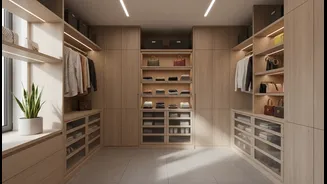
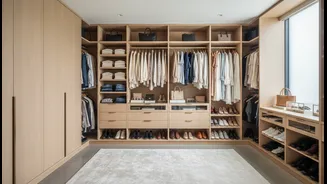
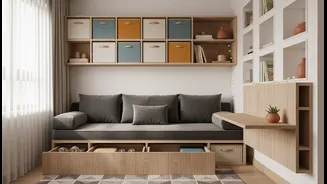
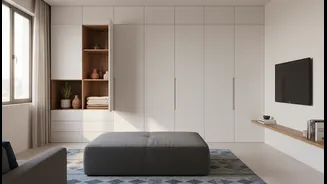
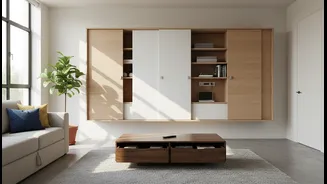
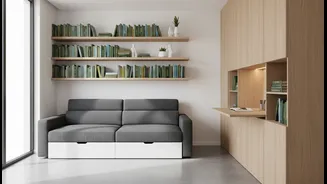
For those who own a compact home, the strategy is to maximise every available centimetre. Vertical space is your best friend. Floor-to-ceiling wardrobes eliminate the dusty, unused gap at the top, providing valuable storage for seasonal items like quilts, suitcases, or festive wear. Sliding doors are another game-changer, as they don't require clearance to open, making a room feel more spacious. Consider L-shaped wardrobes to make use of awkward corners, or furniture that does double duty, like a bed with hydraulic storage underneath for bulky items. Custom-built solutions that fit perfectly into alcoves or around windows can turn architectural quirks into storage assets.
For Young Indian Families: Storage That Grows with You
A young family's storage needs are constantly evolving. A wardrobe that works for a baby won't work for a toddler, and a teenager's needs are different again. The key is future-proofing. Opt for wardrobes with adjustable shelves and rods that can be reconfigured as children grow. Multi-functional furniture is a lifesaver; a changing table can become a dresser, and a toy chest can later serve as a bench with storage. Designate clear zones within the wardrobe for different categories of clothes and essentials. Involving kids in simple organisation habits, like putting things back in their designated box, can also build a foundation for a clutter-free home.
Universal Principles for a Smarter Wardrobe
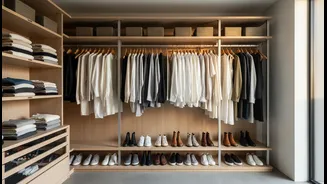
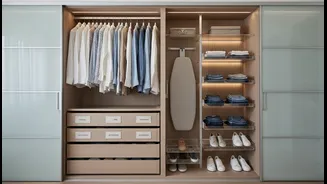
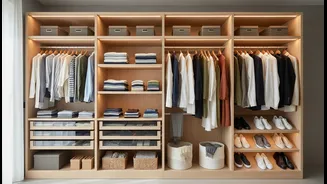
Regardless of your living situation, a few core principles can transform any wardrobe. First, declutter regularly using the 'one-year rule': if you haven't used it in a year, consider donating or discarding it. Second, practice seasonal rotation. Store heavy winter wear or festive outfits in less accessible spots during the off-season. Third, use smart interior fittings. Drawer dividers, pull-out trays for accessories, and specialised hangers for sarees or trousers can dramatically improve organisation and visibility. Finally, make tidying a small, regular habit. A quick 10-minute tidy-up each weekend can prevent clutter from building up and keep your wardrobe functional and stress-free.