





The Global Supply Picture
On August 2, 2026, a core group of OPEC+ members, including heavyweights like Saudi Arabia and Russia, agreed to increase their collective oil output by 188,000 barrels per day for September. This decision completes the reversal of voluntary production
cuts they initiated in 2023 to support global prices. However, this modest increase comes with caveats. A larger set of production cuts from 2022, amounting to about 2 million barrels per day, remains in effect until the end of 2026. Furthermore, geopolitical tensions and attacks on energy infrastructure have limited the impact of recent supply hikes, meaning not all the promised oil is actually reaching the market. So, while the headline suggests a significant easing, the actual impact on global crude prices is much more measured.
From Crude Oil to Your Vehicle
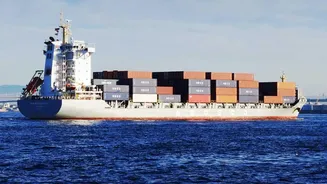
The price of crude oil is just the starting point. Think of it as the cost of one raw ingredient in a complex dish. Before petrol or diesel can be dispensed at a local pump, the crude oil must be purchased, transported, refined, and distributed. India imports over 80% of its crude oil needs, making it highly susceptible to international market dynamics. Oil Marketing Companies (OMCs) like Indian Oil and Bharat Petroleum buy this crude oil, process it in refineries, and then sell the finished product to dealers. Each of these steps—freight charges, refining costs, and operational expenses—adds to the final price long before taxes are even considered. These companies also have to manage their own inventories, which may have been purchased weeks or months earlier at different prices.
The Decisive Factor: Central and State Taxes
The single largest component of the retail fuel price in India is taxation. Both the central government and state governments levy significant taxes on petrol and diesel. The central government imposes an excise duty, while states add their own Value Added Tax (VAT). These taxes often constitute more than half of the total price a consumer pays at the pump. For this reason, even a substantial drop in the price of crude oil may not translate to significant relief for consumers if tax rates remain unchanged. The central government has stated in the past that state governments can reduce VAT to lower prices for consumers. It is also worth noting that petrol and diesel are currently kept outside the Goods and Services Tax (GST) framework, which would likely streamline the tax structure.
The Rupee-Dollar Exchange Rate
Because crude oil is traded internationally in US dollars, the exchange rate between the Indian Rupee (INR) and the US dollar (USD) is a critical factor. When the rupee weakens against the dollar, India has to pay more rupees for the same amount of oil. This means that even if the dollar price of crude oil falls, a depreciating rupee can cancel out those gains, leading to a higher landing cost for oil in India. Recently, the rupee has faced pressure, touching historic lows amid rising oil prices and global economic uncertainty, which adds another layer of upward price pressure on domestic fuel.
Dealer Commissions and Other Costs
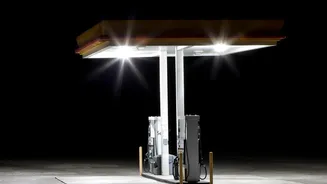
The final price you pay also includes a commission for the petrol pump dealer who operates the retail outlet. While this is a smaller portion of the overall cost, it is another essential part of the pricing structure. Additionally, the cost of blending ethanol into petrol, a government initiative to reduce import dependency and promote cleaner energy, is factored into the final retail price. The government has clarified that ethanol blending helps improve energy security and cushions consumers from the full volatility of global crude prices. All these elements—from global politics to domestic tax policy—are the moving parts that determine whether a change in global supply will ever be felt in your wallet.