






The Unseen Crisis Below
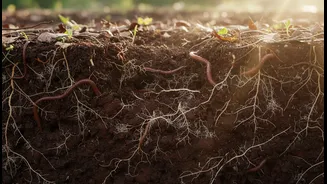
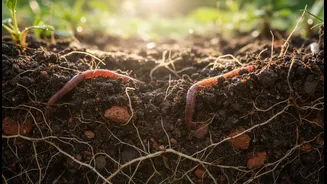
For decades, intensive farming practices have prioritised chemical inputs like fertilisers and pesticides. While this model initially boosted yields, it has come at a cost. The overuse of agrochemicals has led to soil toxicity, reduced nutrient-holding
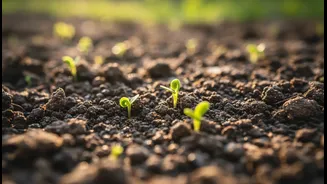
capacity, and in some areas, soil that is almost biologically dead. This degradation makes farms more vulnerable to the shocks of climate change. A soil stripped of its natural microbial life loses its ability to buffer crops against drought and heat stress, turning temporary weather events into catastrophic losses for farmers. This hidden crisis beneath our feet requires a fundamental shift in how we think about soil health and farm resilience.
Nature's Tiny Engineers
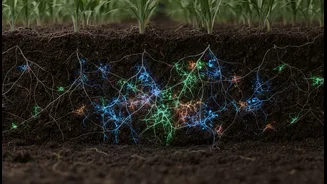
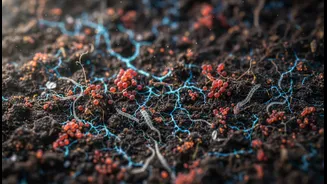
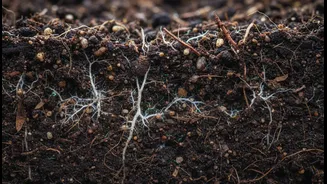
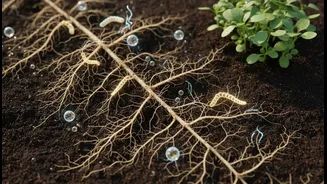
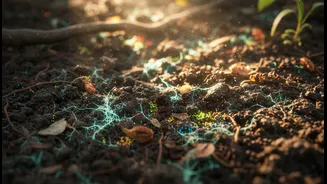
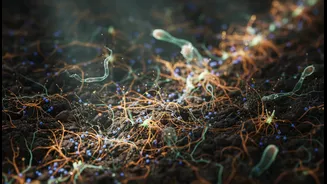
The solution lies in harnessing the power of the soil microbiome—a complex community of bacteria, fungi, and other microorganisms. These microbes are not just passive inhabitants; they are active partners with plants. For example, certain bacteria, known as Plant Growth-Promoting Rhizobacteria (PGPR), can act like tiny, on-demand factories. They pull nitrogen from the air, unlock phosphorus trapped in the soil, and produce hormones that stimulate deeper root growth. Mycorrhizal fungi create vast networks that extend a plant's root system, allowing it to access water and nutrients from a much larger soil volume—a critical advantage during a drought.
A Microbial Toolkit for Climate Resilience
Scientists and agri-tech companies are now packaging these beneficial microbes into products called bio-stimulants and bio-fertilisers. These are not a one-size-fits-all solution but a targeted toolkit. Some microbial inoculants contain bacteria that produce specific enzymes to break down ethylene, a stress hormone that causes plants to wilt and drop flowers during heatwaves. This allows the plant to continue photosynthesizing and remain productive even under thermal stress. Others secrete compounds that bind soil particles together, improving the soil's structure and its ability to hold water like a sponge. Field trials have shown that soils treated with microbial consortia can retain significantly more water, directly combating the effects of drought.
The Indian Context and The Path Forward
The adoption of these microbial solutions is particularly crucial for India. The government is already promoting more sustainable practices through initiatives like the National Mission for Sustainable Agriculture and the Soil Health Card scheme, which encourage reduced chemical use and improved soil management. The market for biofertilisers in India is growing steadily, driven by rising awareness, the increasing cost of chemical fertilisers, and the demand for organic produce. However, challenges remain. These include a lack of farmer awareness, issues with product quality and shelf life, and the need for a clearer regulatory framework. Widespread adoption will require a concerted effort from researchers, industry, and government to provide training, ensure product efficacy, and make these solutions accessible and affordable for small-scale farmers.