








The Monsoon Effect at the Airport
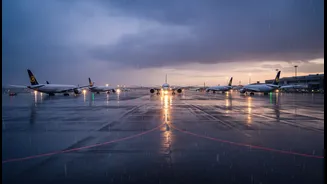
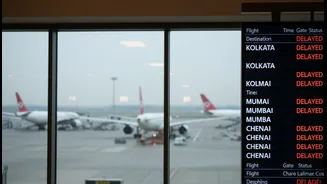
As heavy rains lash Kolkata, airport operations can quickly grind to a near halt. Recent weather patterns have shown that intense downpours often lead to widespread flight disruptions at Netaji Subhas Chandra Bose International Airport. It’s not just
about the rain itself; it’s about a cascade of problems. Waterlogging on runways and taxiways slows down aircraft movement, while poor visibility forces Air Traffic Control (ATC) to increase the distance between planes, reducing the number of takeoffs and landings per hour. Even ground operations like baggage handling and refueling are hampered, adding to the delays.
What Exactly Is a Flight Buffer?
A flight buffer, often called 'schedule padding' or factored into 'block time', is a block of extra time an airline intentionally adds to a flight's schedule. It’s not just the time spent in the air. The total scheduled time you see on your ticket includes taxiing to the runway, the flight itself, taxiing to the gate upon arrival, and this extra buffer. This padding is a strategic cushion designed to absorb minor, everyday delays — like air traffic congestion or a slow boarding process — ensuring the flight still arrives 'on time'. It’s a calculated move to improve on-time performance statistics and passenger satisfaction.
How Airlines Calculate These Buffers
Calculating this buffer is a data-driven process managed by dedicated scheduling teams. Airlines analyze vast amounts of historical data for each specific route. Factors include the time of day, the season (a flight during monsoon season will have a larger buffer than a flight in the dry season), historical air traffic control patterns, and even the type of aircraft. It's a balancing act; too little buffer leads to constant delays and angry customers, while too much padding can make an airline's schedule seem uncompetitive and reduce how many trips a single aircraft can make in a day.
Why Buffers Fail During Heavy Rain
A standard 15-to-30-minute buffer is no match for the severe disruption caused by a powerful monsoon storm. When heavy rain reduces visibility below the minimum required for safe landing, ATC has no choice but to slow everything down. This creates a bottleneck that quickly overwhelms the system. One delayed flight has a domino effect, causing 'consequential' or 'knock-on' delays for all subsequent flights that aircraft was scheduled to operate that day. A plane stuck on the ground in Kolkata can’t fly to its next destination, causing delays in Delhi or Mumbai hours later. Soon, the entire finely tuned schedule collapses.
What This Means for You, the Passenger
While frustrating, it's crucial to remember these delays are rooted in safety. Airlines and ATC will not operate when conditions are deemed unsafe. Under DGCA regulations in India, airlines are not required to provide monetary compensation for delays caused by weather, as it's considered an 'extraordinary circumstance' beyond their control. However, they are still obligated to provide a 'duty of care'. For delays of two hours or more, passengers are entitled to meals and refreshments. For very long or overnight delays, airlines must provide hotel accommodation and transport. It's always wise to check your flight status before heading to the airport during the monsoon season and to be aware of your rights.