






The Undeniable Pull of Spectacle
The primary driver for a theatrical visit is the promise of an experience that a television screen simply cannot replicate. Large-scale productions, often dubbed 'event films', are built for the big screen. Think of sprawling historical epics, high-octane
action sequences, and fantasy worlds brought to life by cutting-edge visual effects (VFX). Films with stunning visuals and immersive sound design benefit enormously from a theatrical setting. A 2023 survey revealed that 74% of respondents prioritise the immersive experience of a large screen and high-quality audio when choosing to go to a theatre. This is where premium formats like IMAX and 4DX thrive, accounting for a disproportionately high share of box office revenue. For these movies, the cinema is not just a viewing medium; it is an integral part of the art form itself.
Cinema as a Social Ritual
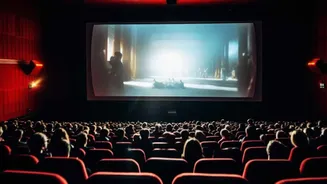
In India, going to the movies is rarely a solitary activity; it's a community event. The experience is deeply social, involving family and friends. The shared gasps during a thriller, the collective laughter at a comedy, and the whistles and cheers for a beloved star's entry are all part of the unique fabric of Indian cinema-going. This active audience participation transforms a passive viewing into an interactive event. Studies show that for a large segment of the audience, the social outing is a primary reason for a theatre visit. In a world of increasingly individualised entertainment on personal devices, the cinema remains one of the few places where people can experience a story together, creating a powerful sense of connection and shared memory.
The Power of the Theatrical Window
The film industry has recalibrated its strategy in the post-pandemic era. After a period of experimentation with short turnarounds and direct-to-OTT premieres, the theatrical window—the exclusive period when a film is only in cinemas—has stabilised. Most films now arrive on streaming platforms about eight weeks after their theatrical debut, with major blockbusters holding out for even longer. This delay has retrained audiences, reducing the incentive to simply wait for a digital release. A strong box office performance also creates significant buzz, which later translates into higher viewership when the film eventually lands on a streaming service. This makes a successful theatrical run beneficial for both cinema owners and OTT platforms, establishing a more balanced ecosystem.
Content Curation by Default
The high cost of a cinema outing—tickets, travel, and concessions—means audiences are more selective than ever. They are unwilling to spend significant money on a film they suspect might offer a mediocre experience. This has led to a natural bifurcation of content. Mid-budget, narrative-driven dramas or niche films are often seen as better suited for the convenience of home viewing. Conversely, films that promise scale, star power, and a genuine 'event' feel are the ones that successfully draw people out of their homes. This isn't a sign of cinema dying, but rather evolving. The big screen is becoming a curated space reserved for movies that can justify the effort and expense, turning a trip to the theatre into a deliberate choice for a premium experience.