






The Global UPI Vision
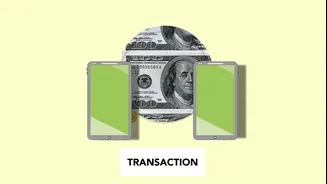
India's Unified Payments Interface (UPI) has revolutionized domestic digital transactions, and its next frontier is the world. Through its international arm, NPCI International Payments Limited (NIPL), UPI is expanding its footprint, allowing Indian travelers
to make payments directly from their Indian bank accounts. As of mid-2026, UPI is live for merchant payments in countries like France, Singapore, the UAE, Nepal, Bhutan, Sri Lanka, and Mauritius, with more on the horizon. The goal is simple: to offer the same seamless "scan and pay" experience that users enjoy in India, eliminating the need for currency exchange or reliance on international credit cards for many transactions. This expansion is not just for tourists; it also facilitates easier remittances and allows NRIs from specific countries to use UPI with their international mobile numbers linked to NRE/NRO accounts.
What Are NPCI Circulars?
The National Payments Corporation of India (NPCI) is the governing body for UPI. To manage this vast and complex ecosystem, it issues directives and guidelines known as circulars. Think of these as the official rulebook for all participants in the UPI network, including banks, payment service providers (like PhonePe and Google Pay), and other financial institutions. These circulars aren't just suggestions; they are mandatory guidelines that dictate how transactions are processed, what security standards must be met, and what features can be offered. They ensure that every entity in the system operates under a unified set of rules, which is crucial for maintaining the interoperability and security of the entire network.
The Rulebook for Going Global
Taking a domestic payment system international is incredibly complex. This is where NPCI circulars become absolutely critical. They lay the foundational groundwork that makes international UPI possible, addressing key challenges before a single transaction can occur. These circulars define the technical and operational requirements for everything from how currency conversion is handled to how disputes are resolved. For instance, recent partnerships with J.P. Morgan and HSBC, enabled through this regulatory framework, aim to provide real-time foreign exchange rates, so users see the exact amount in rupees before they pay. Without these detailed instructions, there would be no standardized way for an Indian user's UPI app to communicate with a French merchant's terminal, for example.
Key Issues Addressed in Circulars
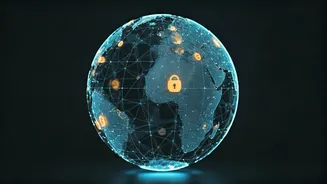
NPCI's circulars for international payments tackle several specific and vital areas. Firstly, they establish the rules for foreign exchange. They dictate the mechanism for currency conversion, ensuring transparency for the user. Secondly, they set security protocols. For instance, a 2025 circular disabled payments made by scanning a shared or saved QR code for international transactions, permitting only live, in-person scans to reduce fraud. Thirdly, they define transaction limits, which are often aligned with domestic limits (like ₹1 lakh) but require users to actively enable the international payments feature in their app first. Finally, the circulars assign responsibility, clarifying that banks must adhere to FEMA regulations and anti-money laundering (AML) checks, ensuring the entire process is legally compliant.
Why This Matters for Your Next Trip
While you may never read an NPCI circular, their impact is directly felt in the user experience. This behind-the-scenes regulatory work is what ensures your international UPI payment is secure, transparent, and reliable. When you scan a QR code abroad, the app shows you the converted amount in rupees, and the transaction goes through smoothly, it is because all participating banks and apps are following the same detailed script written by NPCI. These circulars are what build trust in the system, protecting users from fraud and unexpected charges. They are the invisible architecture that allows you to confidently use a familiar Indian app to navigate a foreign marketplace, making global travel just a little bit easier and more connected to home.