

Choose Your Destination Wisely
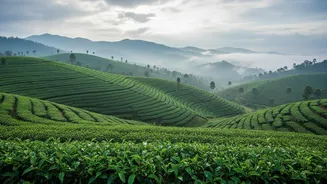
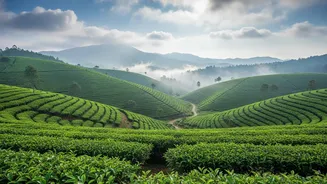
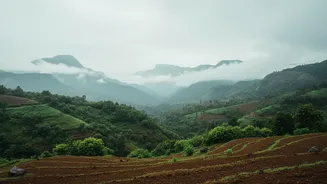
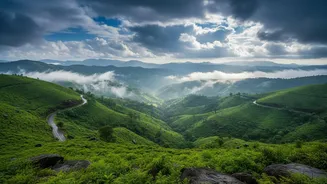
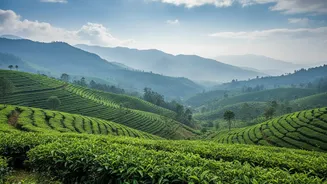
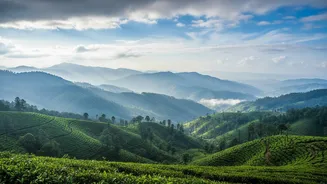
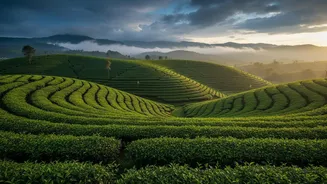
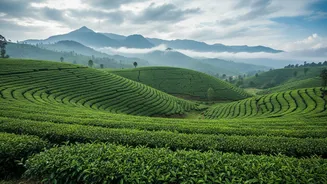
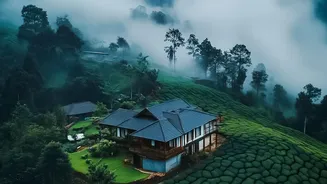
Not all destinations are created equal during the monsoon. While places like Lonavala, Coorg, Munnar, and Kodaikanal come alive with verdant scenery and gushing waterfalls, they can also be prone to landslides. Do your research and consider rain-shadow
regions like Ladakh or Spiti Valley, which receive minimal rainfall in August and offer breathtaking, clear views. Destinations in Rajasthan, such as Udaipur, also offer a unique charm with full lakes and fewer crowds. Many tourist spots offer significant off-season discounts on hotels and activities during this time, making it a budget-friendly option. Before you book, check regional weather forecasts and be prepared to keep your itinerary flexible in case of travel disruptions.
Mastering Monsoon Driving
If you're planning a road trip, vehicle preparedness is non-negotiable. Before you leave, ensure your car's tyres have adequate tread (at least 3mm), your brakes are in top shape, and you have new or effective wiper blades. On the road, safety is paramount. Reduce your speed by about a third compared to dry conditions and double your following distance from the vehicle ahead, as braking takes longer on wet roads. Use your low-beam headlights day or night for visibility, but avoid high beams, which reflect off raindrops and can impair vision for you and other drivers. Never use your hazard lights while moving; they are only for when your vehicle is stationary. If you encounter a waterlogged road, it's best to find an alternate route. If you must proceed, never enter water that is deeper than the bottom of your car's bumper and drive slowly in a low gear with high RPMs to prevent water from entering the exhaust.
Pack Smart for Damp Conditions
Packing for the monsoon requires a specific strategy: prioritise items that dry quickly and protect your belongings from moisture. Opt for synthetic fabrics like polyester and nylon over cotton, as they dry much faster in high humidity. Instead of a bulky umbrella that can be useless in high winds, pack a lightweight waterproof rain jacket. A pair of waterproof sandals with good grip is essential for navigating wet or muddy streets; avoid closed shoes that trap water and take ages to dry. To protect your electronics, documents, and other valuables, use waterproof dry bags, stuff sacks, or even simple ziplock bags. It’s also wise to pack a quick-drying microfibre towel and a few extra pairs of clothes.
Prioritise Health and Hygiene
The monsoon increases the risk of water-borne and mosquito-borne diseases. Be vigilant about your health. Drink only bottled, boiled, or purified water, and be cautious of ice in drinks when you're out. It's generally advisable to avoid street food, especially raw or uncooked items, as the high moisture content can lead to rapid bacterial growth. Opt for freshly cooked, hot meals. Mosquitoes are more prevalent during this season, so carry and use an effective insect repellent, and wear long-sleeved shirts and full-length trousers, especially during the evenings, to prevent bites. Maintaining personal hygiene is crucial; wash your hands frequently with soap or use a hand sanitiser. Avoid walking through stagnant water, as it can be a breeding ground for harmful pathogens.
Prepare a Monsoon Emergency Kit
An emergency kit in your car or backpack can be a lifesaver. For your vehicle, this should include a tow rope, a first-aid kit, a torch, and a fully charged power bank for your phone. It's also a good idea to have some non-perishable snacks and drinking water in case you get stuck in a long traffic jam due to rain or road blockages. For personal travel, your kit should contain essential medications, antiseptic wipes, bandages, and any prescription drugs you need. Keeping your insurance information and emergency contact numbers easily accessible is also a wise precaution. Being prepared for minor inconveniences ensures they don’t turn into major problems, allowing you to enjoy the beauty of the season without worry.