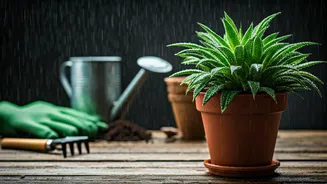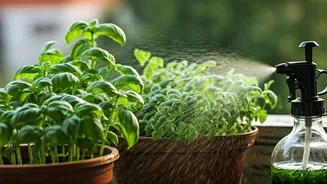





Problem 1: Overwatering and Root Suffocation
This is the number one culprit during the Indian monsoon. While rain is essential, constant downpours can saturate the soil in your pots, leaving no room for air. Plant roots need oxygen to function; when they are submerged in waterlogged soil, they effectively
suffocate. This leads to root rot, a condition where roots decay and can no longer absorb water or nutrients. The first visible sign? Those beautiful green leaves begin to turn a sickly yellow, often starting with the lower ones, and may feel soft or mushy. The Fix: First, stop all manual watering. Your plants are likely getting more than enough from the sky. Check the soil by sticking your finger two inches deep. If it feels wet, hold off. Ensure every pot has functional drainage holes at the bottom. If they are clogged, clear them carefully. For perpetually waterlogged plants, consider adding materials like perlite, sand, or coco chips to your potting mix to improve aeration and drainage. If you suspect severe root rot, you may need to gently repot the plant, trimming away any black, mushy roots before placing it in fresh, well-draining soil.
Problem 2: Nutrient Deficiency
Imagine trying to drink from a fire hose — that’s what heavy monsoon rains do to your soil’s nutrients. The constant flow of water leaches, or washes away, essential mobile nutrients like nitrogen, which is vital for leafy growth. Without it, older leaves turn yellow as the plant moves the remaining nitrogen to new growth. Similarly, waterlogged soil can also cause 'nutrient lockout,' where the pH of the soil changes and prevents roots from absorbing other key minerals like iron and magnesium, even if they are present in the soil. An iron deficiency typically causes yellowing on new leaves while the veins remain green.
The Fix: Don’t over-fertilise, as this can burn already stressed roots. Instead, opt for a balanced, slow-release fertiliser at the beginning of the season. For an immediate boost, a foliar spray is highly effective. You can mix a water-soluble fertiliser with micronutrients and spray it directly on the leaves, allowing the plant to absorb nutrients quickly. A weekly spray of Epsom salt solution (one teaspoon per litre of water) can also help with magnesium deficiency. Organic solutions like well-rotted compost or vermicompost are excellent for replenishing soil health gently.
Problem 3: Fungal and Bacterial Infections
The monsoon’s high humidity and damp conditions create a paradise for fungal and bacterial diseases. Leaves that stay wet for prolonged periods are prime targets for issues like powdery mildew (a white, dusty coating), leaf spot (yellow or brown spots), and blight. These pathogens attack the leaf tissue, disrupting photosynthesis and causing yellowing, browning, and eventually, leaf drop. The damage often appears as irregular patches or spots rather than a uniform yellowing.
The Fix: Prevention is key. Improve air circulation around your plants by spacing them out and pruning dense foliage. Try to water the soil directly and avoid wetting the leaves if you are manually watering. If you see signs of infection, immediately remove and dispose of the affected leaves to prevent the disease from spreading. A fantastic natural remedy is a neem oil solution. Mix a few drops of neem oil and a gentle liquid soap (as an emulsifier) in a litre of water and spray it on the plants every 10-14 days as a preventative measure or weekly to treat an active infection.
Problem 4: Lack of Sunlight
Plants need sunlight for photosynthesis, the process of creating food. The thick cloud cover and grey skies typical of the monsoon season can significantly reduce the amount and intensity of light your plants receive. In response, a plant may start sacrificing its older, less efficient leaves to conserve energy for new growth. This is a survival mechanism. These leaves will typically turn yellow and fall off on their own. This is especially common in sun-loving plants like hibiscus, bougainvillaea, and most vegetable plants.
The Fix: While you can’t change the weather, you can maximise the light your plants get. Move your potted plants to the brightest spot available, such as an east-facing balcony where they get the morning sun, or under a polycarbonate sheet that protects from rain but allows light through. For indoor plants, place them as close to a window as possible. Remember to rotate your pots every few days so that all sides of the plant get some light. If you have particularly light-hungry or expensive plants, you could consider investing in a simple grow light to supplement them on especially dark days.