






Your Pre-Monsoon Vehicle Health Check
Before the first downpour, a thorough vehicle inspection is non-negotiable. Your safety hinges on a few key components. First, check your tyres. They are your only connection to the wet road. Ensure the tread depth is at least 3mm for effective water
channelling and to prevent hydroplaning—a dangerous situation where your car glides uncontrollably on a layer of water. Next, inspect your wiper blades. The intense Indian summer heat degrades the rubber, causing streaking or skipping. If they don't clear the windshield cleanly, replace them. Finally, test your brakes, headlights, and tail lights. Wet conditions demand a braking system in top order, and functional lights are crucial for seeing and being seen in low visibility.
The Digital Toolkit for Weather Watching
Gone are the days of being caught unprepared by a sudden squall. Several digital tools provide reliable weather forecasts. For official government alerts, the 'MAUSAM' app by the India Meteorological Department (IMD) is a primary source. It offers forecasts, radar images, and severe weather warnings in multiple Indian languages. Other highly-rated apps include Skymet Weather, which provides granular data from a large network of automatic weather stations across India, and AccuWeather, known for its MinuteCast feature that predicts rain start and stop times. Before heading out, a quick check of one of these apps can help you anticipate conditions and plan your journey better. The IMD also provides specialised highway forecasts on its website.
Assessing Road Conditions in Real Time
Weather is only half the battle; the state of the roads is the other. Waterlogging and traffic jams are common monsoon woes. Google Maps and Waze are invaluable for real-time traffic analysis, often showing slowdowns caused by submerged roads. Users frequently report hazards, giving you a chance to find an alternative route. Additionally, many local and state traffic police departments are active on social media platforms like X (formerly Twitter), posting instant updates on road closures, diversions, and waterlogged areas. Following your local traffic police's official account can provide critical, timely information that mapping apps might miss.
Safe Driving Techniques for Wet Roads
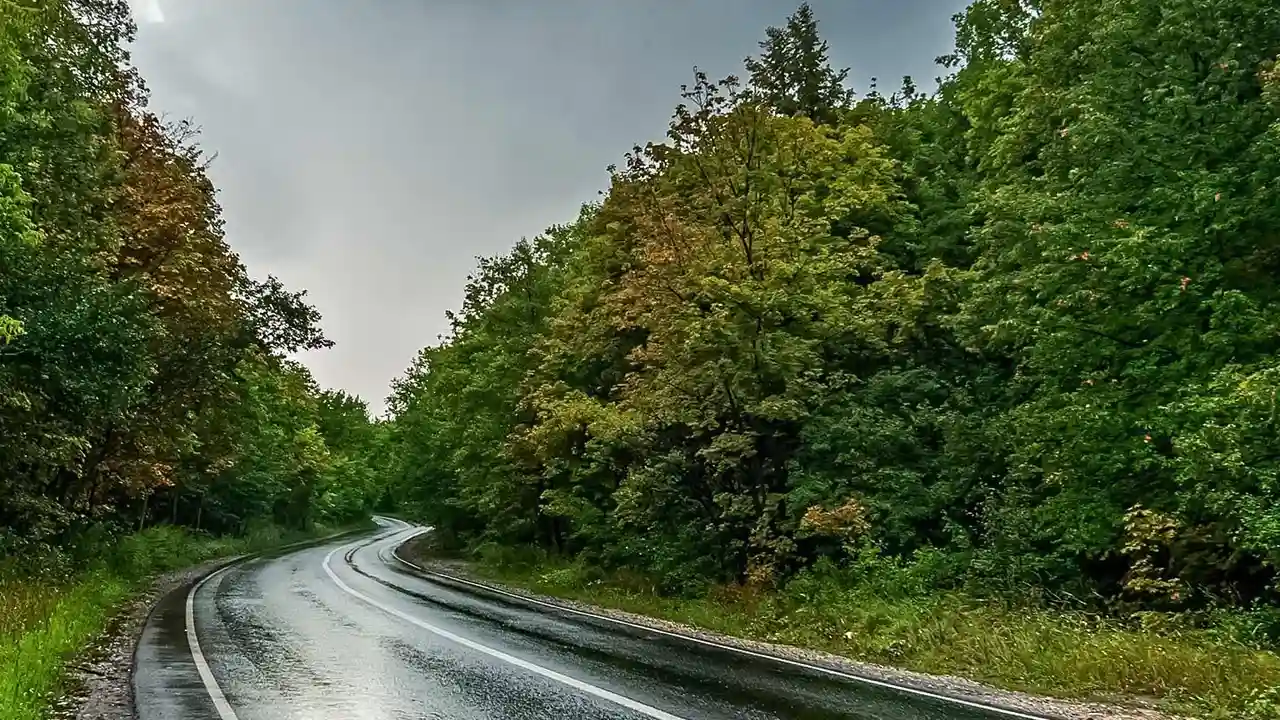
When you're on the road, adjust your driving style for the conditions. The most important rule is to reduce your speed. Wet roads significantly increase your braking distance. Maintain at least double the usual distance from the vehicle in front of you. Use your low-beam headlights even during the day to improve your visibility to others. Avoid using high beams, as they reflect off the rain and can dazzle oncoming drivers. Be gentle with braking and steering to prevent skids. Painted road markings like zebra crossings become extremely slippery when wet, so avoid hard braking on them. If you feel the car begin to hydroplane, do not panic and do not brake hard. Gently ease off the accelerator and keep the steering wheel straight until you feel the tyres regain grip.
When You Encounter Waterlogged Roads
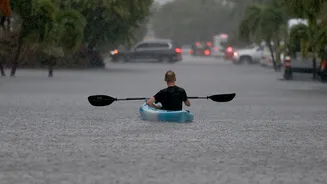
Driving through standing water is always a risk. It's often impossible to judge the depth or see hidden obstacles like open manholes or large potholes. As little as one foot of water can cause many vehicles to float and lose control. If you are unsure about the depth, do not attempt to drive through. If you must proceed, drive slowly in a low gear, keeping the engine revs high to prevent water from entering the exhaust pipe. If your car stalls in water, do not try to restart the engine. This can cause 'hydrostatic lock,' leading to catastrophic engine damage. The safest action is often to abandon the vehicle and move to higher ground.