




The Persistent Problems in the Fields
For generations, farming in India has been a battle against uncertainty. A sudden pest infestation, an unseen fungal disease, or a nutrient deficiency in the soil can mean the difference between a profitable harvest and a devastating loss. An estimated
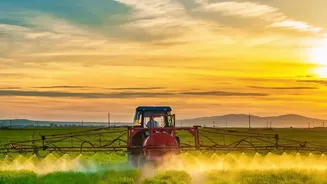
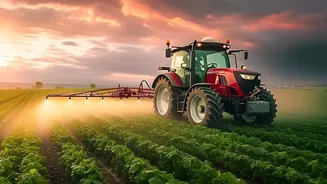
20-40% of global crop yields are lost to pests and diseases annually. Traditionally, identifying these threats relied on visual inspection and experience, which could be time-consuming and sometimes inaccurate, with advice not always readily available when most needed. This often led to reactive, rather than preventative, measures, resulting in higher costs for pesticides and lower yields.
An Expert in Every Farmer's Pocket
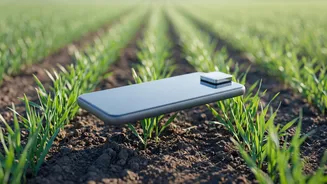
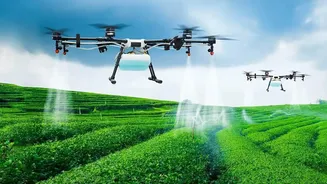
The game-changer is the advent of what experts call “small AI”—affordable and accessible tools designed to solve specific, local problems. Instead of requiring expensive drones or specialized lab equipment, these new solutions work on the one device millions of farmers already own: a smartphone. By combining a phone's camera with intelligent software, these applications can diagnose crop issues with remarkable speed and accuracy. This technology is low-cost precisely because it leverages existing hardware, removing a major barrier to entry for smallholder farmers.
How a Simple Photo Saves a Crop
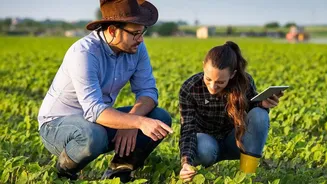
The process is incredibly straightforward. A farmer notices a strange spot on a leaf or a sign of wilting. They take a photo of the affected plant using a dedicated app. This image is instantly analyzed by an AI model trained on vast databases of plant imagery. Within seconds, the AI identifies the likely issue—be it a fungal infection, a specific pest, or a nutrient deficiency—and provides a diagnosis and a recommended course of action, often in the farmer's local language. This allows for early and precise intervention, preventing a small problem from spreading across an entire field.
Real-World Impact in Punjab and Maharashtra
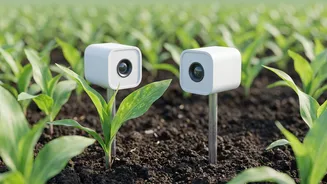
In Maharashtra, initiatives like the 'Artificial Intelligence and Digital Twin Learning in Agriculture' project are being piloted to bring these benefits to thousands of farmers. One program co-developed by the Agricultural Development Trust (ADT) in Baramati uses a hub-and-spoke model with soil sensors and weather stations to feed data to an AI. This system sends precise, timely alerts in Marathi to farmers' phones, advising on everything from irrigation to pest control. The results from pilots in the state have been striking, with some projects reporting significant reductions in water and fertilizer use. In one case study, a farmer reported a 25% reduction in input costs by optimizing the timing of pesticide sprays based on AI recommendations. Similarly, AI-based agri-technologies are being deployed in Punjab to enhance crop quality and manage challenges like crop stress.
Beyond Disease Detection
The capabilities of these AI platforms extend far beyond just identifying pests. The same technology can offer hyperlocal weather forecasts, recommend optimal sowing times, and provide guidance on irrigation and fertilizer use. Some platforms, like MahaVISTAAR-AI in Maharashtra, function as generative AI-powered chatbots that farmers can query by voice or text in their own language about market prices, government schemes, and more. This holistic approach provides end-to-end support, empowering farmers to make data-driven decisions throughout the entire crop cycle, from seed to market. The goal is to create a more resilient and profitable agricultural ecosystem.