







The Annual Monsoon Shutdown
First, it's crucial to understand that many of India's premier wildlife destinations traditionally close during the monsoon. The core zones of most tiger reserves, governed by the National Tiger Conservation Authority (NTCA), typically shut down from
July 1 until late September or mid-October. This annual closure serves several purposes: it allows the forest to regenerate without human interference, prevents damage to sensitive tracks, and coincides with the breeding season for many animals, minimizing disturbance. For travelers, this means a safari into the most popular parts of parks like Bandhavgarh, Kanha, and the main zones of Ranthambore is off the table.
This Year’s Heightened Risks: Floods and Landslides
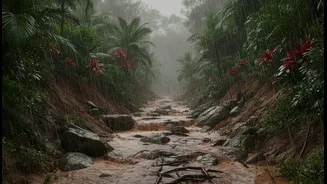
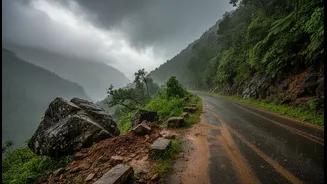
Beyond the standard closures, the 2026 monsoon has brought unusually intense weather, prompting specific warnings. The India Meteorological Department (IMD) has issued alerts for heavy to very heavy rainfall across central, western, and northeastern India. This has created significant risks of flash floods and landslides in several states that are home to popular wildlife sanctuaries. Regions in the Western Ghats, such as those in Maharashtra and Kerala, are on high alert. The Pune Forest Department recently issued a safety advisory for popular tourist spots, warning of landslides, rockfalls, and sudden surges in water levels in streams and waterfalls, authorizing closures of high-risk areas. Similarly, a recent deadly landslide in Wayanad, Kerala—a region known for its lush wildlife sanctuaries—has underscored the dangers of unstable terrain during heavy downpours.
Navigating Park Access: What's Open?
Despite the widespread closures and warnings, a wildlife trip isn't entirely impossible. Many larger national parks keep their buffer zones open for tourism. These areas, which surround the protected core zones, can still offer rewarding wildlife experiences. Parks in Karnataka, like Nagarhole (Kabini) and Bandipur, often remain open year-round, weather permitting. In Maharashtra, sanctuaries like Tadoba Andhari Tiger Reserve keep select gates, such as Moharli and Kolara, accessible for safaris. Similarly, buffer zones in Madhya Pradesh’s Pench and Satpura National Parks, and zones 6-10 of Ranthambore in Rajasthan, are also expected to remain open. However, access is never guaranteed; heavy local rain can lead to temporary closures of even these designated zones with little notice.
A Different Kind of Safari Experience
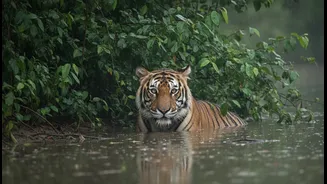
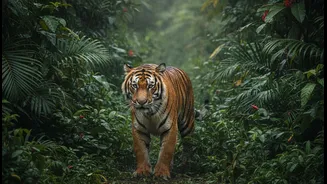
If you do decide to go, be prepared for a very different experience. The forest is transformed into a vibrant, green paradise, which is a spectacle in itself. However, wildlife spotting can be more challenging. The dense foliage reduces visibility, and animals are no longer concentrated around scarce water sources as they are in the dry summer months. On the other hand, the cooler weather can make some animals, including tigers, more active throughout the day. The rains also bring out a plethora of insects and reptiles, and it's a fantastic time for birdwatching. The biggest advantages are often fewer crowds and lower prices, offering a more peaceful and intimate jungle experience.
Essential Safety Checklist for Monsoon Travel
Given the elevated risks, preparation is key. Always check the official website of the specific national park and the latest IMD weather alerts before and during your trip. Hire experienced local guides and drivers who understand the terrain and current conditions. Pack waterproof clothing, footwear with excellent grip for slippery trails, and protective pouches for electronics. Be prepared for safari cancellations due to weather; have a flexible itinerary and confirm refund policies in advance. In regions prone to landslides, like the hills of Maharashtra and Uttarakhand, avoid travel during heavy rain warnings and strictly adhere to instructions from local authorities.