




The Unseen Dangers of a Simple Spill
A puddle of water on your floor or kitchen counter is more than just a temporary inconvenience; it's a hazard in waiting. The most immediate risk is a slip-and-fall accident, a common cause of household injuries. But the dangers don't disappear once the water is wiped
away. Stagnant water, even from a clean source, creates the perfect breeding ground for harmful bacteria. Furthermore, moisture is an open invitation for pests like cockroaches, ants, and mosquitoes, which are drawn to damp environments to breed and live. What appears to be a simple cleanup task is actually a critical preventative measure for the health and safety of your household.
A Threat to the Structure of Your Home
Water is the enemy of many common building materials. When it seeps into the seams of your hardwood or laminate flooring, it causes the wood to swell, expand, and warp. This can lead to boards cupping at the edges or buckling, creating an uneven and damaged surface that is expensive to repair. On kitchen counters, water can work its way into the joints and undersides, especially with wooden or particle board cabinetry. Particle board, a common material for cabinet structures, can disintegrate when wet, potentially compromising the support for your entire countertop. The dark stains that appear are often a sign of mold or a reaction within the wood, indicating that the damage is more than just superficial.
The 48-Hour Mould Countdown
One of the most significant health risks associated with standing water is mould. In the right conditions—moisture, warmth, and an organic food source like drywall or wood—mould spores can begin to germinate in as little as 24 to 48 hours. By the time you see visible patches of green or black, a colony is already well-established. Exposure to mould can trigger a range of health issues, from allergic reactions like sneezing, red eyes, and skin rashes to more severe respiratory problems, especially in those with asthma or compromised immune systems. The musty odour that often accompanies water damage is a clear warning sign that mould growth may have already begun, even if it's hidden from view.
The Right Way to Clean and Dry
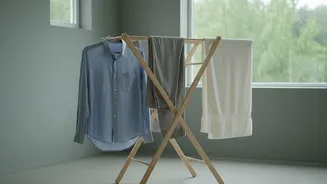
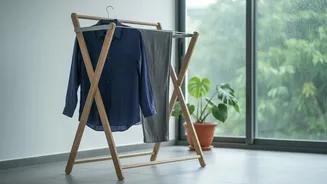
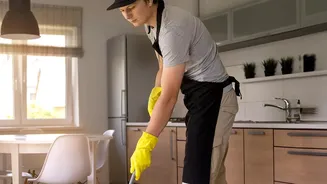
Effectively dealing with a spill goes beyond a quick wipe. The goal is to remove all moisture to prevent long-term damage and mould. First, absorb all the standing water with towels or a wet vacuum. For larger spills, this step is crucial. Next, clean the area with an appropriate household cleaner, especially in the kitchen or if the water source was contaminated. The final and most important step is to ensure the area is completely dry. Use fans to circulate air and, if you have one, a dehumidifier to pull moisture from the air and surrounding materials. For wooden surfaces, drying thoroughly is critical to prevent the wood from absorbing the moisture and warping. Remember, an area that feels dry to the touch might still hold hidden moisture below the surface.
Monsoon Season and Preventative Measures
In India, the monsoon season brings high humidity and a constant battle against dampness, making preventative care essential. Regularly inspect your home for potential issues. Check under sinks and around appliances for slow leaks that can go unnoticed. Ensure windows and doors are properly sealed to prevent rainwater from seeping in. On a daily basis, don't let water pool around the sink or on countertops after doing dishes. Use absorbent mats in high-splash areas like bathrooms and kitchens. These small, consistent habits are your best defence against the cumulative effects of water damage, especially during prolonged periods of rain when everything struggles to stay dry.