


The Philosophy of Simple Food
In a country celebrated for its complex spice blends, rich gravies, and elaborate culinary traditions, the true anchor of the Indian diet is stunningly simple. It’s not the biryani from a wedding or the butter chicken from a fancy restaurant that calls
to the soul on a weary Tuesday night. Instead, it’s a meal built on uncomplicated principles: nourishment, digestibility, and the unmistakable taste of home. This meal is less a recipe and more an emotion. It’s the culinary equivalent of a warm hug, a reassurance that all is right with the world. It’s the food cooked not to impress, but to heal, to comfort, and to restore. This is the essence of 'ghar ka khana', a concept that transcends regional boundaries and unites the country in a shared language of comfort.
The Undisputed Champion: Dal Chawal
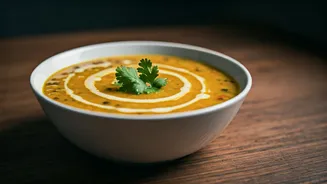
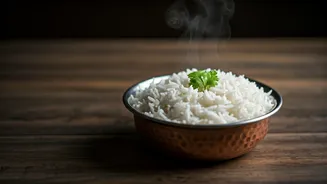
If there were a single contender for this title, it would be Dal Chawal. A mound of fluffy steamed rice with a bowl of warm, flowing dal is the bedrock of Indian home cooking. Its beauty lies in its versatility and simplicity. Every household has its own version. The dal could be toor, masoor, or moong; the consistency thin or thick. But the magic often lies in the 'tadka' or tempering—a final flourish of ghee or oil sizzled with spices like cumin, mustard seeds, asafoetida, and dried red chillies, poured over the dal just before serving. That sizzling sound is the heartbeat of the Indian kitchen. It's a meal that's light on the stomach but heavy on nostalgia, reminding us of countless childhood lunches and the quiet care of a mother's hand.
The Ultimate Restorative: Khichdi
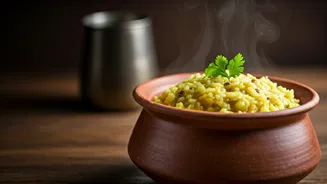
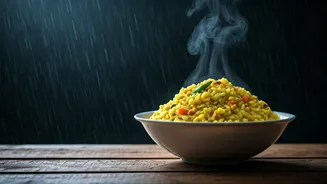
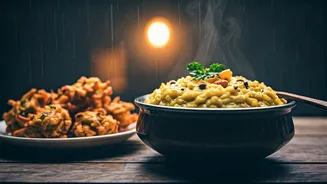
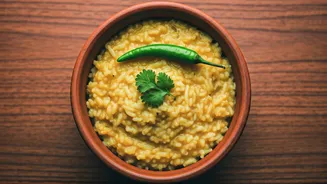
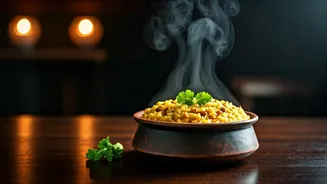
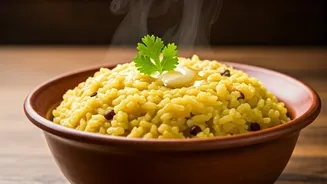
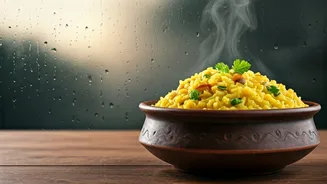
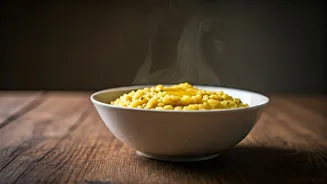
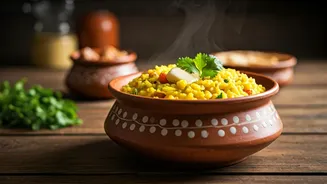
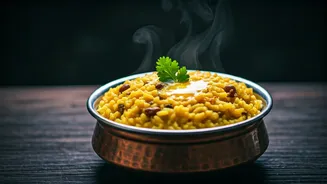
Often unfairly typecast as 'sick food', Khichdi is, in reality, India’s ultimate one-pot wonder and detox meal. A humble preparation of rice and lentils cooked together, it is a masterclass in gentle nourishment. But to call it bland is to misunderstand it entirely. A well-made Khichdi can be a flavourful experience, often elevated with a dollop of pure ghee, a side of plain yoghurt, and a crunchy papad. From the savoury, vegetable-laden Masala Khichdi of Gujarat to the soft, soupy Bhog'er Khichuri of Bengal, its variations are endless. Returning to Khichdi is a conscious act of slowing down. It’s the meal we turn to when our bodies (and souls) need a reset from the excesses of modern life, proving that sometimes, the greatest comfort lies in the greatest simplicity.
The Weekend Ritual: Rajma Chawal
While Dal Chawal is the everyday hero, Rajma Chawal is its slightly more indulgent cousin, often reserved for Sundays or lazy weekends. The slow-cooked kidney beans, simmered in a thick, tangy tomato-onion gravy, create a rich and hearty curry that pairs perfectly with rice. The preparation of Rajma is an act of patience. It often begins the night before, with the soaking of the beans, building anticipation for the feast to come. For many North Indians, the aroma of Rajma cooking is synonymous with a day of rest, family time, and afternoon naps. It represents a small celebration, a break from the routine, yet it retains the unpretentious, comforting core of a true homemade meal.