

The Silent Language of the Food Bowl
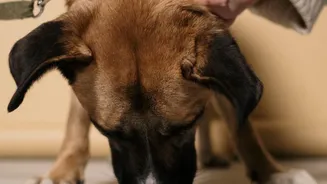
One of the most telling signs of oral pain is a change in how your pet eats. An animal that is hungry but finds chewing painful may approach its food bowl with hesitation. You might notice them dropping food from their mouth, chewing on only one side,
or suddenly preferring soft food over their usual crunchy kibble. Some may take much longer to finish a meal, swallow their food whole without chewing, or even walk away from their bowl after just a few bites. These are not signs of fussiness; they are often attempts to navigate the pain of eating.
Why They Hide Their Discomfort
In the wild, showing weakness makes an animal a target for predators. Although our pets live safely in our homes, this powerful instinct to mask pain remains. They may continue to eat and play even with significant dental issues because their survival programming tells them to act normal. This is why pet owners often don't realize there's a problem until the dental disease is in an advanced stage. By then, the animal may have been living with chronic pain for some time.
Clues Beyond Mealtime
Dental pain doesn't just manifest during meals. You might notice other subtle behavioral shifts. Pawing at the mouth or rubbing their face against furniture can be a sign of discomfort. A sudden aversion to having their head touched, which was once enjoyed, could also indicate oral pain. Another common symptom is persistent bad breath, which is often a sign of underlying infection or gum disease. Other red flags include excessive drooling, sometimes tinged with blood, and a decreased interest in chew toys that were once favorites. In cats, a decline in grooming can also be linked to mouth pain.
The Culprits Behind the Pain
The most common cause of dental pain in pets is periodontal disease, which affects the majority of dogs and cats by the age of three. It begins with plaque hardening into tartar, leading to gum inflammation (gingivitis) and, if untreated, infection that can damage the structures supporting the teeth. Other causes include broken or fractured teeth, tooth root abscesses, and oral tumors. Small dog breeds are often more susceptible to developing serious dental issues. These conditions can be incredibly painful and, without intervention, can lead to tooth loss and even systemic health problems as bacteria enter the bloodstream.
What You Can Do to Help
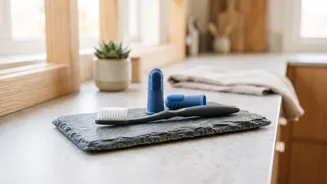
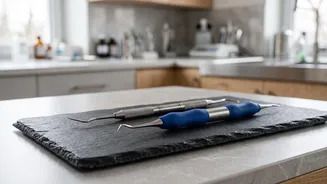
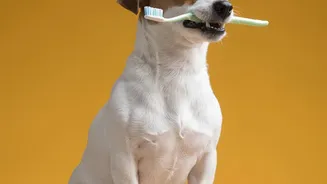
If you notice any of these signs, the first step is to schedule a visit with your veterinarian for a thorough dental examination. They can identify the root cause of the problem and recommend a course of action, which may include a professional cleaning under anesthesia to properly assess and treat issues below the gumline. At home, preventative care is key. Regularly brushing your pet's teeth is the most effective way to prevent plaque buildup. Specially formulated dental chews and diets can also help, but they should complement, not replace, brushing and regular veterinary check-ups.