

The Problem with the Pursuit
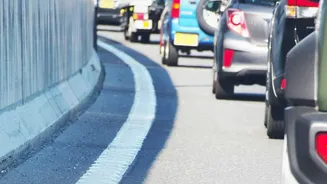
In the rush to tick a majestic animal off a checklist, wildlife tourism can sometimes become a stressful, high-speed pursuit. A cacophony of engines, a crowd of vehicles, and the constant jockeying for position can be the reality in popular national parks.
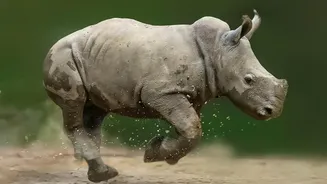
This approach, however, comes at a cost. Studies and field observations show that this kind of disturbance has a significant negative impact on animals. The noise, movement, and congestion from tourist vehicles are major sources of stress for wildlife. This can disrupt natural behaviours like hunting, resting, and raising young. Animals may become more alert, change their movement patterns to avoid roads, or even abandon their territories altogether due to the constant pressure of tourism. Ultimately, the frantic chase degrades the very wilderness we came to admire.
The Surprising Rewards of Stillness
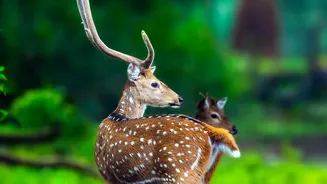
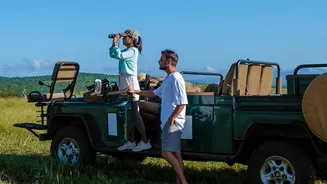
The alternative to the chase is simple, yet requires a fundamental shift in mindset: patience. Instead of rushing from one rumoured sighting to another, find a promising spot, switch off the engine, and wait. The rewards of this approach are immense. Firstly, it's better for the animals. A quiet, stationary vehicle is far less threatening, allowing wildlife to relax and behave naturally. Secondly, it’s far more rewarding for you. When you are patient, you move from being a mere spectator to a privileged observer. You might witness a tender moment between a mother and her young, the intricate process of a bird building a nest, or the subtle social cues of a herd of deer. These are the moments that don't make it into the highlight reels but form the deepest memories. Research shows that observing nature and animals can lower stress hormones, improve your mood, and increase feelings of connection.
Become a Student of the Forest
Patience doesn't mean doing nothing; it means paying attention to everything. Use the time spent waiting to engage all your senses. Listen for the alarm calls of monkeys or deer, which often signal a predator's presence. Scan the trees for birds, which are often overlooked in the quest for bigger game. Notice the different types of tracks in the dust. The forest is a living, breathing ecosystem, and the main attraction isn't just one animal, but the entire web of life. Ask your guide about the trees, the insects, and the smaller mammals. A good naturalist can unlock the secrets of the forest, turning a quiet period into a fascinating lesson in ecology. This approach transforms your safari from a simple sightseeing trip into a rich, immersive educational experience.
How to Practice Patient Wildlife Watching
Embracing this philosophy starts with how you plan your trip. When choosing a safari operator, look for those who emphasize ethical practices. A responsible operator will prioritise the well-being of the animals over guaranteeing a sighting. They often use trained naturalists who understand animal behaviour and park rules. During the safari, communicate your preference for a slower, more observant experience to your guide. Resist the urge to use flash photography, which can startle animals, and keep your voice low. Don't be afraid to stay in one place if it feels right. Patience is a skill, and like any skill, it gets easier with practice. By focusing on the experience rather than just the photograph, you open yourself up to a much deeper and more authentic connection with the natural world.