




A New Ridership Milestone
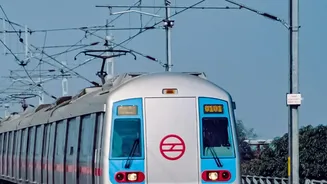
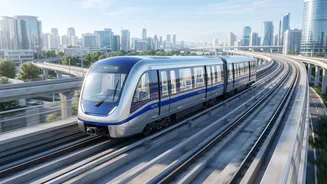
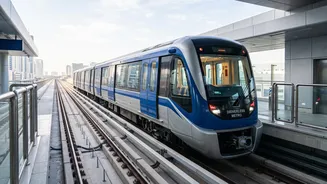
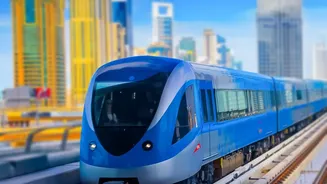
On November 2, 2026, during the pre-Diwali rush, Delhi Metro's driverless network achieved a remarkable feat by carrying 1.6 million passengers in a single day. This figure means that one in every five of the metro's eight million daily commuters on that day travelled
on an automated train. This milestone underscores the growing public reliance on the Unattended Train Operation (UTO) system, which was first introduced in India just six years ago in December 2020 on the Magenta Line. This significant single-day ridership highlights the scale and success of the driverless operations on two of the city's busiest corridors.
The Hundred-Train Network
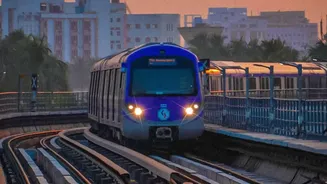
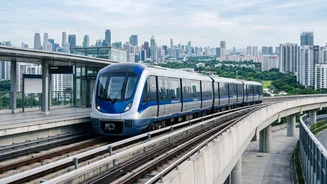
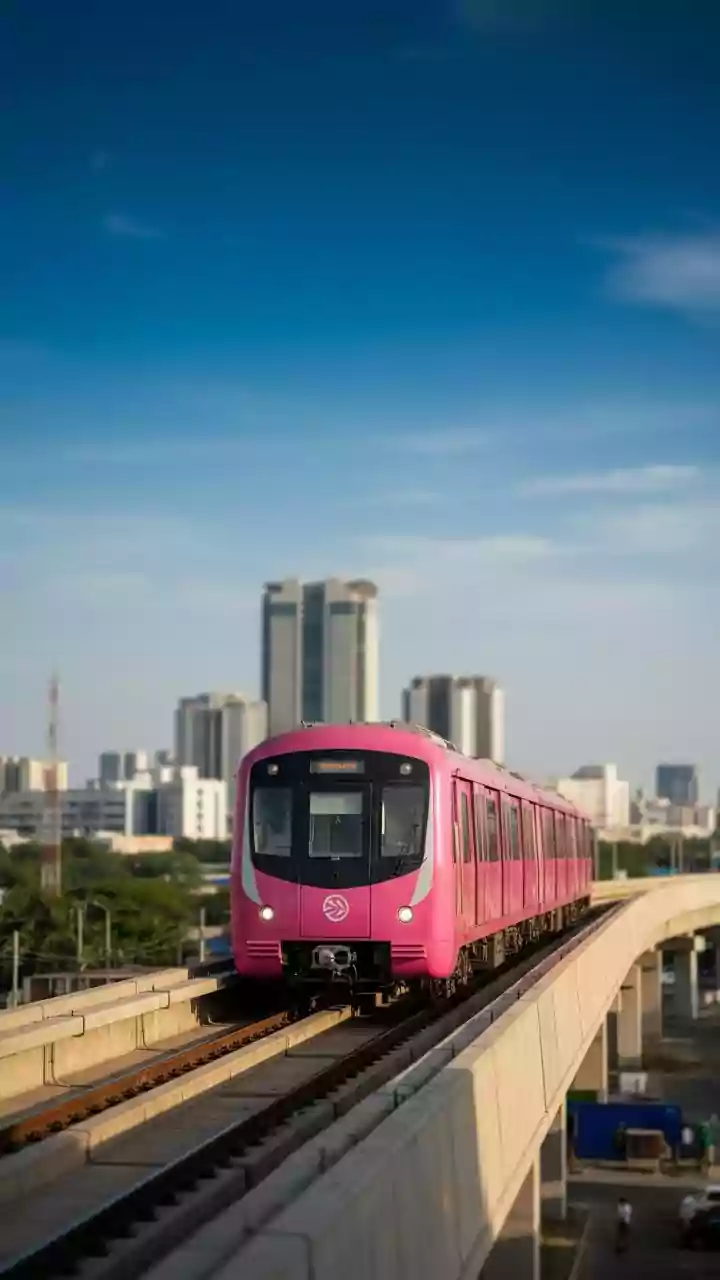
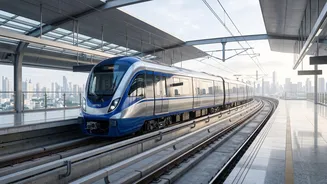
The backbone of this achievement consists of 100 driverless trains operating across the Magenta and Pink Lines. Together, these two lines form a 120-kilometre automated corridor, which accounts for nearly 29% of the entire Delhi Metro network. The Magenta Line connects Janakpuri West to Botanical Garden, while the Pink Line runs from Majlis Park to Shiv Vihar. This deployment places the Delhi Metro among the world's largest driverless networks. The Delhi Metro Rail Corporation (DMRC) plans to expand this automated network to 198 kilometres once ongoing Phase-IV expansion projects are completed.
How 'Driverless' Technology Works
The term 'driverless' refers to Unattended Train Operation (UTO), the highest grade of automation (GoA 4) in mass transit. These trains are controlled entirely from a central command centre, eliminating the need for an onboard driver. The system relies on advanced Communication-Based Train Control (CBTC) technology, which uses continuous, high-resolution data to manage train movement, speed, and braking with precision. This automation minimizes the possibility of human error, leading to more reliable and predictable schedules. It also allows for greater operational flexibility, enabling DMRC to increase train frequency during peak hours without needing to deploy more drivers.
Safety, Efficiency, and the Commuter Experience
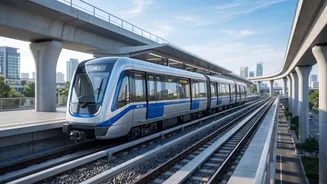
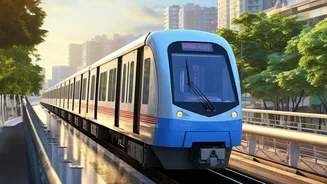
For passengers, the most noticeable difference is often the view from the front of the train, where the driver's cabin used to be. But the benefits run deeper. Automation allows for precise arrivals and departures and smoother acceleration and deceleration, enhancing ride comfort. Safety is ensured through multiple redundant systems, including obstacle detection on the tracks and continuous CCTV surveillance. Before entering service, each train performs exhaustive self-tests, which has significantly improved fleet reliability. Furthermore, the removal of driver cabins has freed up space for more passengers, increasing the carrying capacity of each coach.
Addressing Concerns and Looking Ahead
The transition to driverless technology has raised valid questions, particularly about the high initial investment costs and the potential for job losses. However, DMRC's Managing Director, Vikas Kumar, has stated that no train operators have been laid off. Instead, former drivers have been redeployed to other crucial roles like station management and crowd control, using their skills elsewhere in the system. While some experts caution that India should perform its own cost-benefit analysis rather than simply following global trends, the operational advantages are clear. With plans to implement UTO on the upcoming Phase-IV corridors, Delhi is cementing its status as a leader in modern urban mobility, setting a potential blueprint for other Indian cities to follow.