





The Great Monsoon Divide
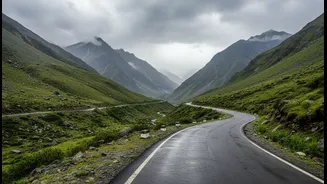
For much of India, the period from July to September is defined by the monsoon. While the rains bring life and lush greenery, they also create significant travel challenges. Popular destinations in Himachal Pradesh, Uttarakhand, and the Western Ghats
often face road closures, landslides, and persistent downpours, forcing many travellers to postpone their plans. Journeys can become unpredictable and risky, with reports of blocked highways and flooded valleys. This annual disruption leaves a gap for those eager to travel during these months but are wary of the potential dangers associated with the rainy season.
Ladakh: A Desert in the Clouds
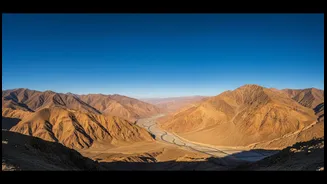
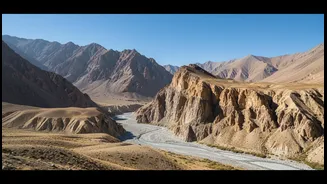
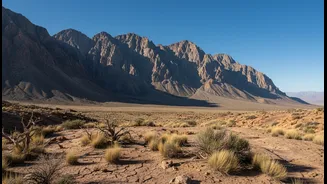
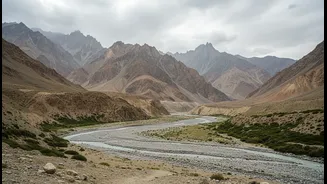
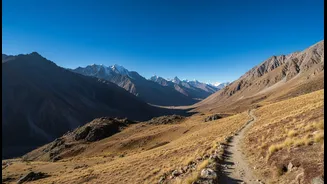
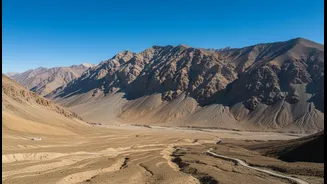
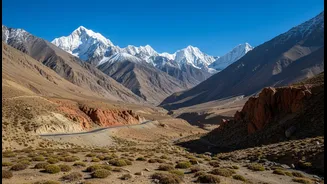
The secret to Ladakh's dry summer lies in its geography. Located at an average altitude of over 3,000 meters, it is a high-altitude cold desert. Its unique climate is a direct result of the 'rain shadow' effect. The towering Himalayan ranges to the south act as a massive barrier, blocking the moisture-laden monsoon clouds from crossing over into Ladakh. As these clouds are forced to rise, they shed their moisture as heavy rain on the southern slopes, leaving the air that reaches Ladakh dry. Consequently, while the rest of the country is drenched, Ladakh receives minimal rainfall, often less than 100 mm annually.
Clear Skies and Open Roads
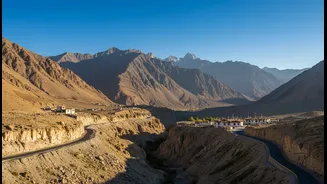
For the safety-conscious traveller, this dry climate translates into tangible benefits. The weather is generally pleasant, with daytime temperatures in Leh and surrounding areas hovering between 20°C and 30°C. More importantly, the internal roads connecting major attractions like Nubra Valley, Pangong Lake, and Tso Moriri remain open and accessible. This reliability is a stark contrast to other mountain regions where monsoon-triggered landslides can leave travellers stranded. While the approach highways from Manali and Srinagar can face monsoon-related challenges in their lower stretches, once you cross into the rain shadow zone, conditions dramatically improve. This makes Ladakh a haven for road trips, motorbiking, and trekking during a season when such activities are impossible elsewhere.
An Ideal Time for Adventure
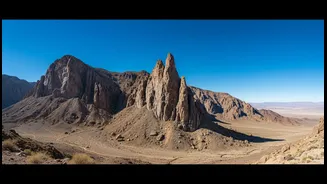
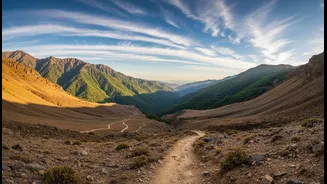
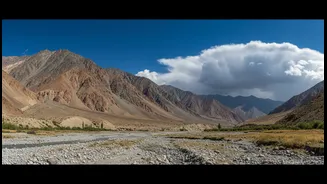
The stable weather opens up a world of activities. The clear, blue skies and scattered white clouds create perfect conditions for photography, highlighting the stark, beautiful landscapes. Adventure enthusiasts can indulge in white-water rafting on the Indus and Zanskar rivers, or undertake high-altitude treks without the constant threat of a downpour. This is also a fantastic time for cultural immersion. Several important monastic festivals, such as the Hemis Tsechu and Korzok Gustor, often take place in June and July, offering a glimpse into the region's vibrant Buddhist heritage through masked dances and ancient rituals.
Planning a Safe Monsoon Escape
Despite its advantages, a trip to Ladakh requires careful planning. The biggest health concern is Acute Mountain Sickness (AMS) due to the high altitude. It is crucial for travellers to acclimatise properly, spending at least a day or two resting in Leh before venturing to higher areas. Hydration is key in the dry climate. While Ladakh itself is dry, climate change has introduced occasional, unpredictable cloudbursts, so having a flexible itinerary with buffer days is wise. If driving, starting early is recommended as glacial melt can increase the flow of water crossings in the afternoon. By flying directly into Leh, travellers can bypass the potential monsoon disruptions on the approach highways.