




Why Your Towel Technique Matters
The moment you step out of the shower, your hair is at its most fragile state. When wet, the hair shaft swells and its protective outer layer, the cuticle, lifts. This makes it incredibly vulnerable to damage. For color-treated hair, this fragility is amplified.
The chemical process of dyeing makes hair more porous, meaning it both loses and absorbs moisture more easily, which is a primary cause of frizz. The common practice of vigorously rubbing hair with a standard bath towel creates significant friction. This aggressive action roughs up the already lifted cuticles, causing them to snag and break, leading directly to that frizzy, untamed look once your hair is dry.
The Gentle Art of Patting and Squeezing
The solution is to trade the rough rubbing for a much gentler approach. Instead of scrubbing your head, think 'blot and press'. Start by gently squeezing excess water out of your hair with your hands. Then, take your towel and press it onto sections of your hair, squeezing gently to absorb moisture. For longer hair, you can wrap the towel around sections and squeeze down the length. This method removes water without causing the friction that leads to frizz and breakage. The goal is to absorb, not to agitate. By patting and squeezing, you are respecting the delicate state of your wet hair and keeping the cuticle as smooth as possible.
Not All Towels Are Created Equal
The tool you use is just as important as the technique. Traditional terrycloth bath towels, with their thick, looped fibers, are a major culprit in creating frizz because those loops can easily snag on fragile, wet hair. A significant upgrade is switching to a microfiber towel. Microfiber towels have much finer, denser fibers that create a smoother surface. They are highly absorbent, capable of soaking up water much faster than cotton, which reduces the need for any rubbing at all. An old, soft cotton T-shirt is another excellent alternative that provides a gentle surface for drying. By using a smoother fabric, you drastically reduce friction and help keep the hair cuticle lying flat, which is the key to shine and smoothness.
Beyond the Towel: A Full Anti-Frizz Routine
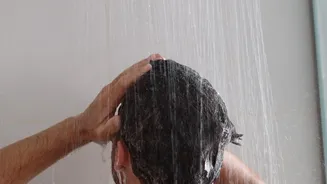
Gentle towel drying is a critical step, but it works best as part of a complete care routine for color-treated hair. Start in the shower by using sulfate-free shampoos and conditioners, as sulfates can strip color and moisture, leaving hair drier and more prone to frizz. Always rinse with lukewarm or cool water to help seal the hair cuticle. After gently blotting your hair, apply a leave-in conditioner or an anti-frizz serum while your hair is still damp. This helps to lock in moisture and provides a protective barrier against humidity. When heat styling is necessary, always use a heat protectant spray and opt for lower temperature settings to minimize damage.
Understanding Your Color-Treated Hair
To truly combat frizz, it helps to understand why color-treated hair is so susceptible to it. The chemicals used in hair dye must lift the hair's cuticle to deposit color pigment inside the hair shaft. Often, the cuticle doesn't return to its perfectly flat, sealed state afterward. This increased porosity means the hair strand acts like a sponge, quickly absorbing moisture from humid air, which causes it to swell and appear frizzy. It also means that internal moisture can escape just as quickly, leading to underlying dryness. This is why a routine focused on moisture retention and cuticle sealing is essential for keeping colored hair smooth, shiny, and vibrant.